
Welcome fellow souls to «The Human Family Crash Course Series», a project collaborated by empress2inspire.blog and dios-raw.com. Together we will be working on a different topic for each crash course; our eleventh topic is focused on «Healing». Each topic will have eight posts with posts on Mondays and Thursdays. We hope you
enjoy our series and we look forward to knowing how our posts have inspired you!
“There is a sacredness in tears. They are not a mark of weakness, but of power. They speak more eloquently than ten thousand tongues. They are the messengers of overwhelming grief, of deep contrition and of unspeakable love.” ~ Washington Irving
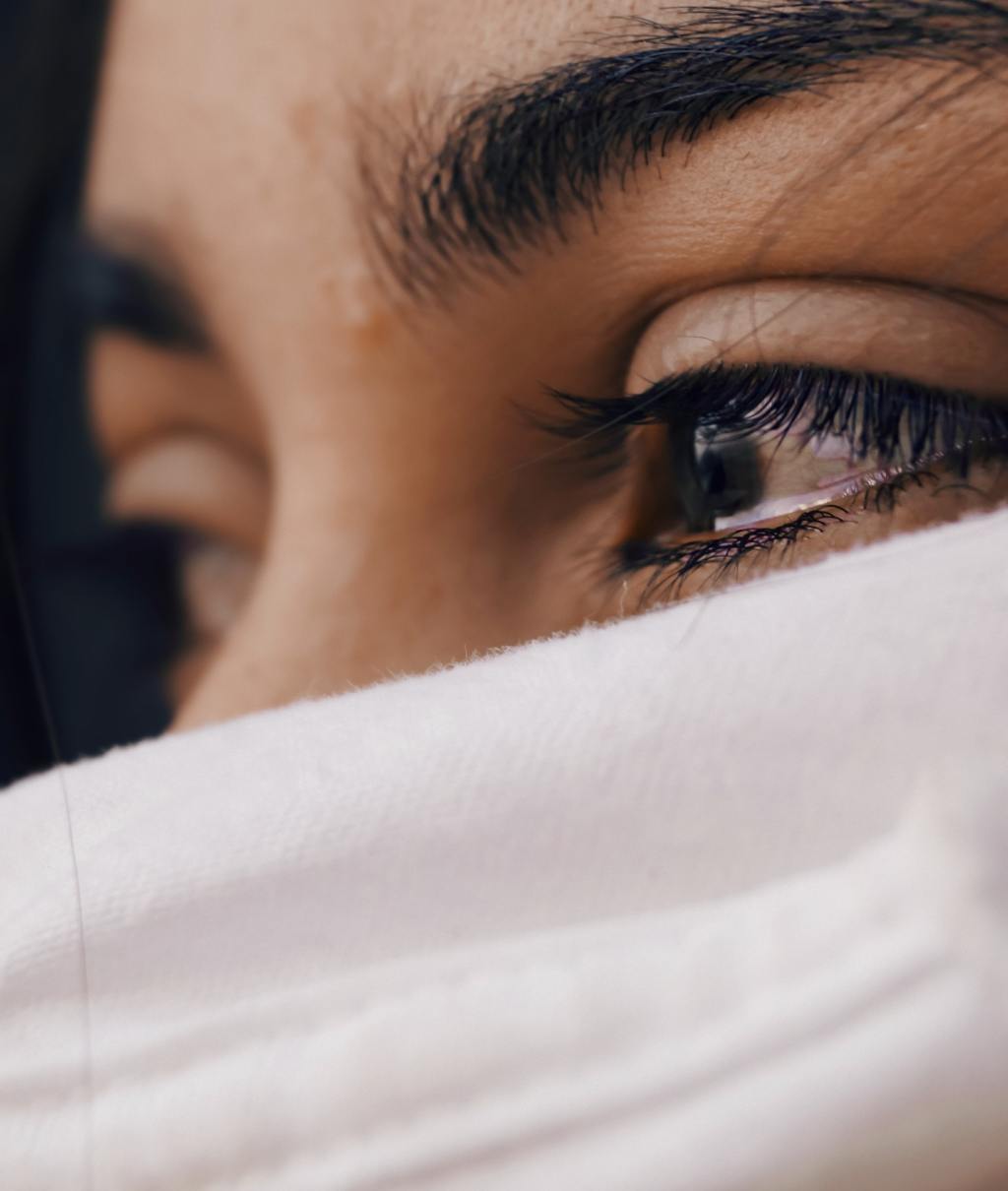
Crying is an essential path to emotional healing. Think about the last time you cried. Was it one of those cries that left you feeling much better afterwards: relieved, lighter, less sad, more free? Or did it make you feel even worse, like you wish you had just managed to keep it contained and not cry at all? Scan back over all your experiences of crying, and you’ll notice that they’re quite varied, not just in your reasons for crying, but in the quality of the cry itself, and in the effect that crying had on you.
How does crying help us heal?
Consider what happens when you grieve a loss. If someone you love dies, or if you lose a precious opportunity to do something that matters to you, your world suddenly changes. To respond to these changes, your brain needs to be reconfigured so that it no longer orients you toward the person or the thing you’ve lost. Crying as you feel the pain, come to accept the loss, and eventually to say goodbye, helps you to reorient, to let go, and move forward. You come out on the other side a different person, one better equipped to respond to this new phase of your life.
When grieving, remember what you loved, then say goodbye
Grieving is essential. One key way to help ourselves and others fully grieve, is to remember the things we loved about the person or the things we lost. Grief and praise go hand in hand.
Sharing with someone about what you loved and will miss, while simultaneously noticing that the person or thing is gone, allows tears to naturally flow. In a crying-negative culture, we often think we need to stop grieving before we are done. Let grief take as long as it wants to.
If it seems like it’s going on and on, it may be time to practice saying goodbye. Saying goodbye, and allowing the loss to be final and irreversible, is sometimes the last piece needed for grieving to complete.
The physical effects of crying do indeed show that once crying stops, the body moves from a state of high arousal to one more associated with relaxation. Breathing and heart rate slows, sweating decreases and the period of the relaxed state tends to last longer than the time spent crying. So, take the time to cry and grieve.
Please leave comments below to let us know what you think.
 Be Inspired..!!
Leave a reply to Sowmya Cancel reply