
The vitamin B complex often includes all B vitamins (B1-B12), including folic acid and biotin. All B vitamins are water soluble which means they must be replenished everyday, as any excess is excreted.
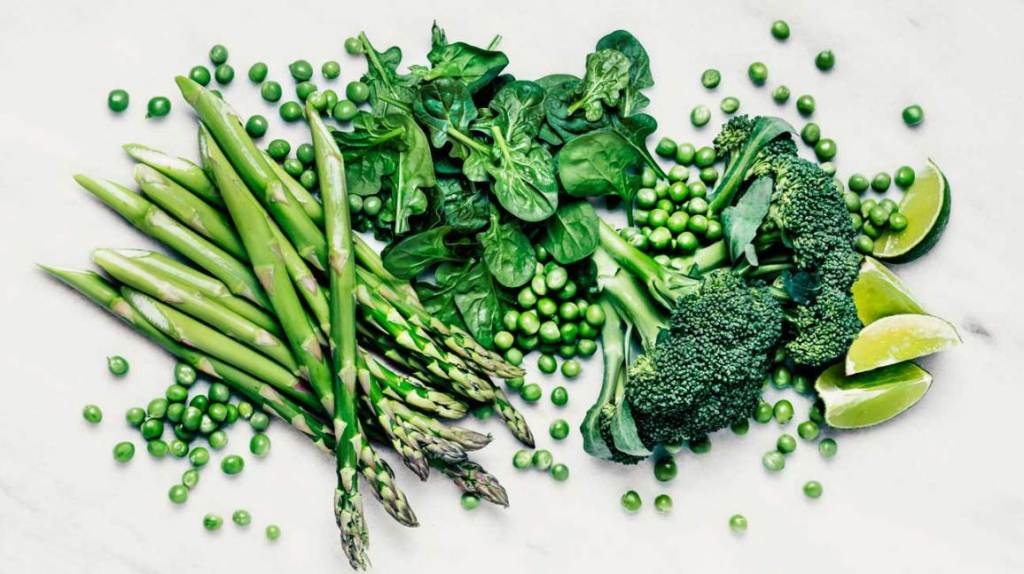
There are no plant sources of vitamin B12, it can only be found in organ meats, eggs, and diary. Most B vitamins can be sourced from yeast, wholemeal, flour, nuts, legumes, soy, egg yolks, organ meats, broccoli and green leafy vegetables.
The B vitamins are known to promote growth, particularly vitamin B5 (Pantothenic acid) and vitamin B12 (Cobalamin). Deficiency of Vitamin B1 (Thiamin) is called Beri Beri Disease.
Vitamin B2 (Riboflavin) is closely associated with Vitamin B6 and B3. B2 is used to activate B6 and produce Vitamin B3. Vitamin B3 (Niacin) can be made within the body by converting dietary tryptophan to make Niacin. Every 60mg of Tryptophan creates 1mg of Niacin.
Vitamin B6 (Pyridoxine) is taken to control oestrogen levels within the body. It is advised to be taken during menstruation and pregnancy to deal with fluctuating hormones.
Vitamin B7, Biotin is names because “Biotios” means to give life in Greek. Biotin is well known to metabolise food energy sources to sustain life. Folate or Vitamin B9 is linked with healthy foetal developments. Studies have shown that adequate folic acid in mothers causes a 50-70% reduction is neural tube defects (NTDs).
 Be Inspired..!!
Leave a comment