
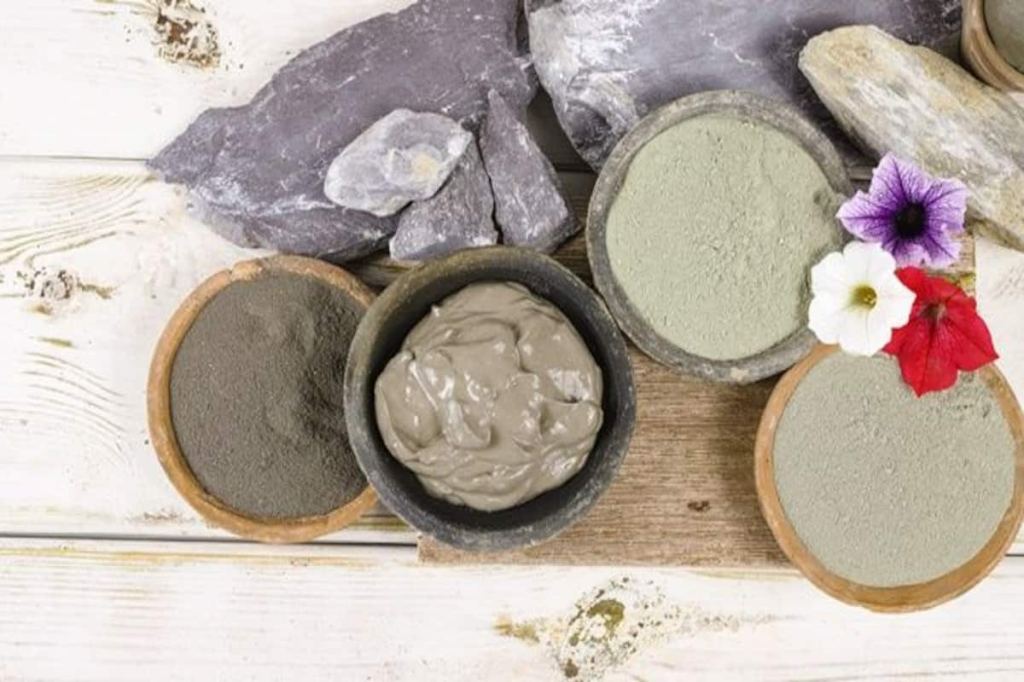
Clay for Eczema
The beautifying and purifying properties of clay have been used for thousands of years by cultures all around the world. Its ability to absorb various pigments from plants and minerals was highly valued in the preparation of body paints by ancient civilizations. Cleopatra was known to use dead sea clay twice a week to keep her complexion smooth and unblemished. Even animals have long turned to the healing power of clay when they feel ill or are in need of protection from pests and elements.
There are 6 different types of eczema :
- Atopic Dermatitis – Most frequent form, chronic and inflammatory.
- Contact Dermatitis – Occurs when the skin touched irritating substances.
- Dyshidrotic Eczema – Often in the form of small, itchy blisters.
- Nummular Eczema – Often in the form of coin shaped spots.
- Seborrheic Dermatitis – Chronic, appears in high oil producing spots of the body.
- Stasis Dermatitis – Developed where there is a blood flow problems in veins.
Why is Clay effective?
- Clay is known as healing clay and works to detox your skin from chemicals, heavy metals and cleanses your skin. This can reduce the itching of eczema breakouts.
- It tones and tightens the pores and smoothens the skin.
- It absorbs the excess oil, thus hydrating and moisturising the skin.
Which type of clay is best for eczema?
- Bentonite Clay – Bentonite clay has been studied in numerous studies for it’s efficacy on some forms of eczema.
- French Green Clay – French Green Clay, which also contains montmorillonite (bentonite) is rich in minerals.
How to use?
Mix clay and water. Apply the clay in a bath, as a mask or as a poultice.
Reference : https://www.holistichealthherbalist.com/clay-skin-type-bentonite-clay/, https://facialclaymasks.com/clay-for-eczema/
 Be Inspired..!!
Leave a reply to Daily Dose of Nature | KPs thoughts Cancel reply