
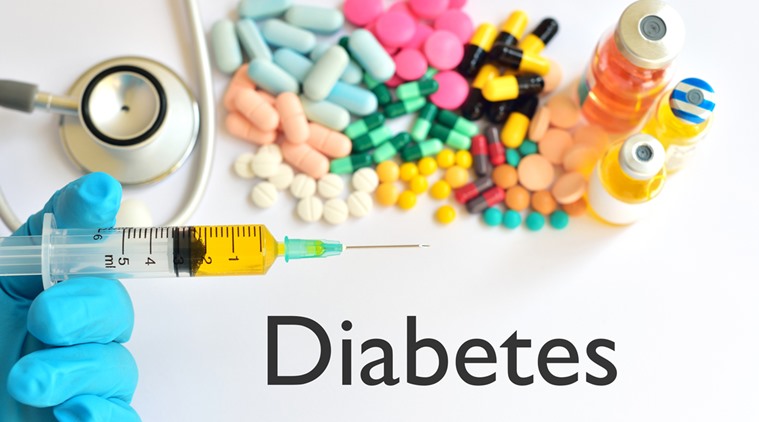
Diabetes is a disease that causes high blood sugar. It is a lifelong disease that can be controlled. Diabetes often occurs along with high blood pressure and high cholesterol. There are certain things every diabetic should know about in order to prevent complications in a long term and improve the quality of life.
Healthy eating, regular exercise, managing your stress and checking blood sugar help with diabetes control. Medicine may be needed to treat type 2 diabetes. Here in this article are few things that every diabetic should learn and understand.
- Know Your Numbers : Diabetes is a condition with a lot of different numbers to understand and keep track of, and they’re important: A1c, BMI, blood pressure, cholesterol, kidney function.
- Monitor Blood Sugar : The optimal frequency of testing differs from person to person, but nearly everyone does better if they understand the effect of exercise, or certain foods, and of changes in medicine dosage (particularly insulin).
- See An Eye Specialist : Fortunately, eye problems do not affect many people with diabetes, but when these occur, they can be very bothersome, and there are now extremely effective ways of preventing and of treating most of them.
- See A Dentist : Common dental problems can have important effects on diabetes, and most people with diabetes should have at least two dental examination every year.
- Look At Your Feet Everyday : Diabetes can reduce nerve function, so you might not feel cuts or bruises that would normally cause pain. Check the bottoms of your feet, rub skin cream of them at night, make sure to have shoes that fit properly, and ask your doctor to look at your feet at every visit.
- Exercise : Exercise should be a part of the way you treat your diabetes every day! There are now steps counter apps available for most smartphones that will help you to understand how much you’re doing. This is a very healthful way of managing your diabetes.
- Know What You Eat : Pay attention to what you’re eating. Keep a food log. Count carbs. Portion control is important, as is avoiding foods that are high in sugar.
- Talk To Your Doctor : Make a list of things that concern you and discuss them with your doctor at your next appointment. if you feel stressed, anxious, angry, or depressed, be sure to share those feelings with your doctor.
The goal of treatment is to keep blood sugar at normal or near-normal levels. This reduces the risk of complications associated with diabetes. A normal fasting blood sugar is less than 100 mg/dl. Along with testing blood glucose levels, control can also be estimated using a blood test called A1c. The A1c blood test measures the average blood sugar level during the prior two to three months.
 Be Inspired..!!
Leave a reply to Shivali Cancel reply