
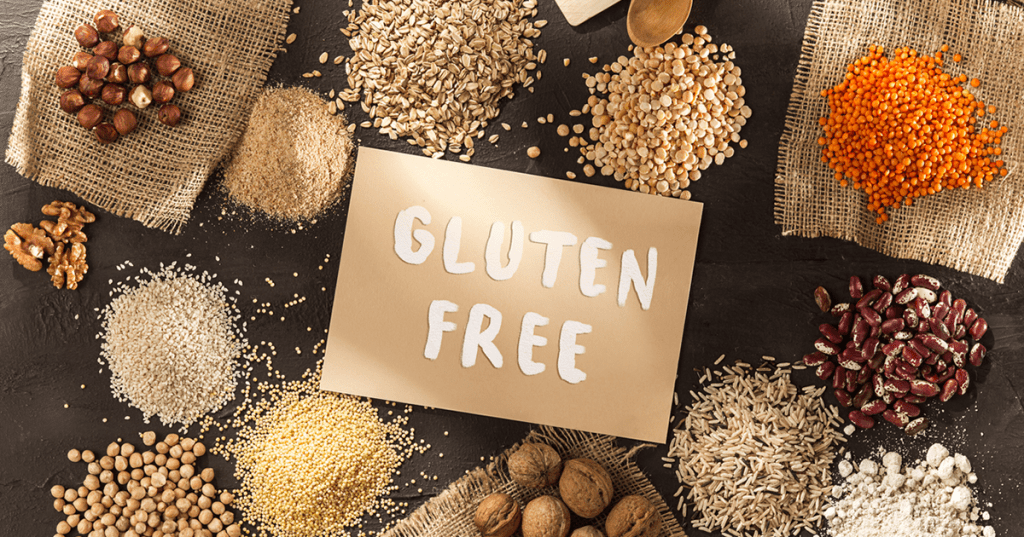
Coeliac Disease is a life-long condition that, if untreated, results in damage to the lining of the small intestine and malabsorption of food. The only treatment is a gluten-free diet. The diet is life-long and should be strictly followed as even very small amounts of gluten can cause damage and unpleasant symptoms.
Here are a few pointers for eating a gluten free diet :
Foods to Avoid
- Gluten is found in wheat, barley and rye. Oats should be avoided unless these are “gluten free” or “uncontaminated” varieties.
- Avoid all breads and crackers. Cakes, and biscuits. Pasta and wheat noodles. Food in batter or bread crumbs. Pizza. Pastry, pies and puddings.
- Also avoid manufactured foods such as: Sausages and burgers. Gravy, sauces, marinades and glazes. Salad dressings, relishes and chutney. Ice-cream.
Foods to Eat
- Potatoes, rice and rice noodles.
- Plain meats, poultry and game.
- Plain fish and shellfish.
- All fruit and vegetables (fresh, frozen or tinned without sauce) and salad.
- Milk, eggs, cheese, plain yogurt and cream.
- Cornflour (for thickening sauces).
- Gluten free or uncontaminated oats
To avoid gluten contamination in food preparation, it is important to take care of the following steps :
- Keep gluten-free foods separate from gluten containing foods.
- Clean tins, pots, pans, work surfaces and chopping boards before using them for gluten- free foods.
- Avoid stirring foods with spoons that might have been in contact with gluten.
- Use clean knives, tongs, spatulas and spoons when cooking and serving gluten-free food.
- Make sure that cooking fats and butter are not contaminated by having utensils/cutlery contaminated with gluten put back in the tub.
- Avoid frying gluten-free food in oil that has had battered or breadcrumbed food cooked in it.
- Make sure, that wheat dust, from baking, does not contaminate food and work surfaces.
Reference : http://www.nnuh.nhs.uk/publication/coeliac-disease-eating-out-on-a-gluten-free-diet-10-0-32/
 Be Inspired..!!
Leave a reply to Garima Cancel reply