
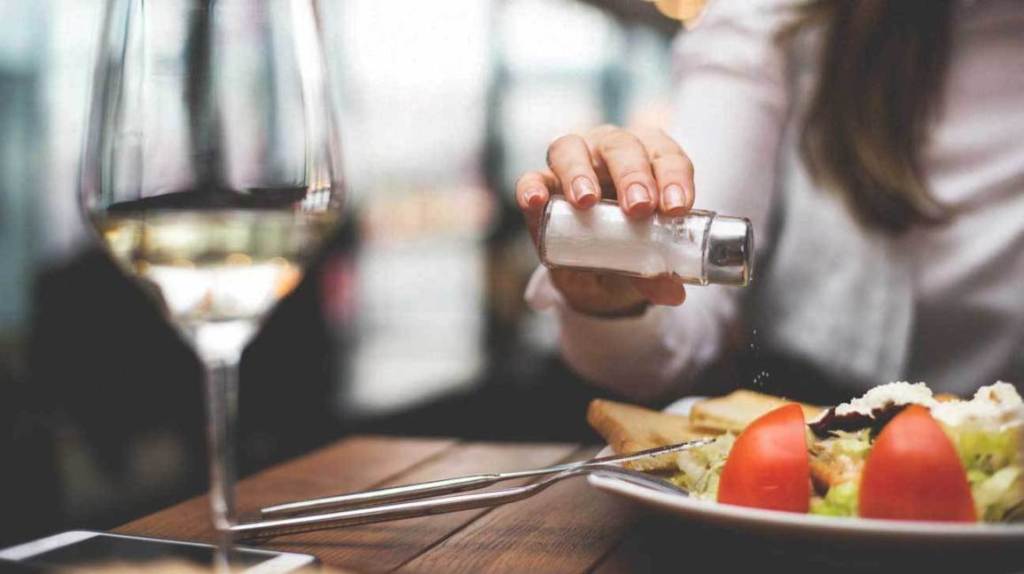
You might be getting more sodium than you need, even if you never pick up the salt shaker. That’s because more than 70 percent of the sodium we eat comes from packaged and restaurant foods. That can make it hard to control how much sodium you eat, because it’s added to your food before you buy it.
Pay close attention to the foods you choose when you’re grocery shopping and eating out. Try making these 5 small changes.
- Check the Nutrition Facts label. Before you buy a food or drink, look for the amount of sodium on the Nutrition Facts label. Compare different options and choose the one with the lowest amount. You can also look out for foods that are labeled low- sodium, reduced sodium, or no-salt-added. But keep in mind that sometimes foods without these labels are still lower in sodium — so it’s always a good idea to check the Nutrition Facts label.
- Find out which foods you eat have the most sodium. You can check out the top 10 sources of sodium (www.cdc.gov/salt/sources.htm) to get an idea. For dishes higher in sodium, consider eating smaller portions or eating them less often.
- Make healthy shifts. Replace higher-sodium foods or ingredients with healthier options. You can: Snack on unsalted nuts instead of snacks like salted pretzels, Choose fresh skinless chicken and turkey, lean meats, and seafood instead of processed deli meats or sausages, Go for fresh, frozen vegetables without sauce, and canned vegetables with the least amount of sodium.
- Cook more at home. Making your own meals instead of eating at restaurants or buying packaged foods is a great way to eat less sodium because you’re in control. To add flavor, use spices instead of salt or packaged sauces and mixes.
- Consider the Dietary Approaches to Stop Hypertension (DASH) eating plan. Based on scientific evidence, the DASH plan helps limit sodium and unhealthy fats. Think about following the DASH eating plan at the lower-sodium option of 1,500 mg per day if you have hypertension or prehypertension. Learn more about it at http://www.nhlbi.nih.gov/ health-topics/dash-eating-plan.
Reference : https://health.gov/sites/default/files/2019-09/DGA_Workshops_Wkshp_1.pdf
 Be Inspired..!!
Leave a reply to The Social Vigilante Cancel reply