
What I Use Instead (And Why My Pancakes Thank Me)
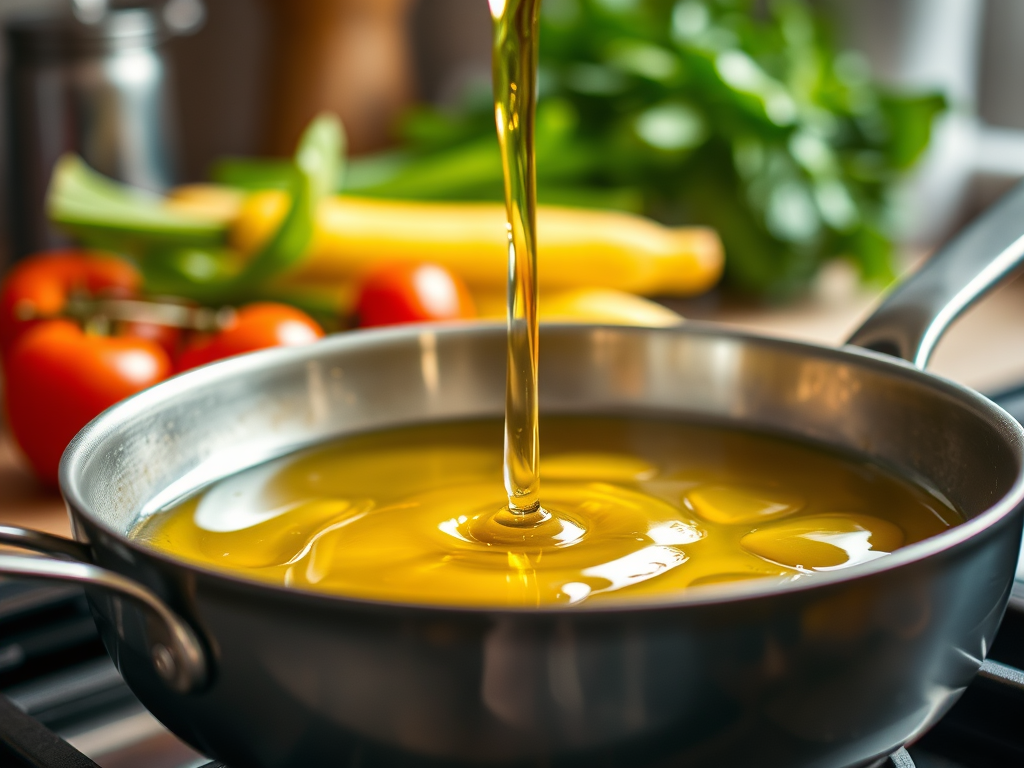
If you’re anything like me, you probably grew up with that giant plastic jug of vegetable oil sitting next to the stove.
It was like a kitchen staple, right up there with salt, pepper, and that one spice no one ever uses but keeps around just in case.
For years, I used vegetable oil in everything—baking, frying, roasting, even greasing pans.
I didn’t think twice. It was cheap, easy to find, and honestly, I didn’t know there were better options.
Then I started paying attention to my body.
Little things at first—feeling more bloated after meals, breakouts that didn’t make sense, energy crashes for no reason.
So, I started reading labels (scary stuff), and vegetable oil kept popping up in processed foods, frozen dinners, even salad dressings.
When I dug a little deeper, I found out vegetable oil is usually made from soy, corn, or canola—and it’s often highly processed and stripped of nutrients.
Not to get dramatic, but once I knew that, I couldn’t un-know it.
So I started testing out healthier oil swaps, and wow… what a difference.
Not only do I feel better, but my food tastes amazing.
And today, I’m sharing my go-to substitutes for vegetable oil—plus the exact products I keep stocked in my kitchen.
Trust me, your pancakes, stir-fries, and even your skin might just thank you.
1. For Baking: Avocado Oil 🥑
Let’s talk brownies, muffins, and pancakes.
I used to use vegetable oil in all of them, assuming it didn’t matter.
But then I tried swapping in Chosen Foods 100% Pure Avocado Oil and oh my goodness—game changer.
Avocado oil is neutral in flavor, so your banana bread won’t end up tasting like guacamole.
It has a high smoke point, meaning it holds up well in the oven.
Plus, it’s packed with healthy fats, vitamin E, and antioxidants—stuff your body actuallyneeds.
I use the Chosen Foods one because it’s cold-pressed and non-GMO, and the bottle doesn’t leak all over my pantry shelf (underrated feature, honestly).
I even drizzle a little on roasted veggies for extra crispiness—try it on sweet potatoes and thank me later.
2. For Frying: Coconut Oil (Unrefined = Extra Yum) 🥥
I know coconut oil had a moment on Instagram a few years ago, but it’s still a legit swap—especially for frying or sautéing.
When I started using Viva Naturals Organic Extra Virgin Coconut Oil, I expected it to be just “okay,” but I was blown away.
It gives food this slightly sweet, tropical note—perfect for things like stir-fried veggies, shrimp, or even popcorn.
It does solidify in cold weather, so I keep a spoon in the jar like a total weirdo, but hey—it works.
It’s also full of MCTs (medium-chain triglycerides), which may help with energy and digestion.
Plus, it doubles as a hair mask when you’re feeling fancy. One jar = kitchen and beauty goals.
If you’re not into the coconut flavor, you can try refined coconut oil instead—it’s more neutral, but you lose some of the good stuff. Your call.
3. For Dressings and Cold Dishes: Extra Virgin Olive Oil 🍋
This one’s a classic.
But I used to save olive oil just for drizzling on bread at Italian restaurants—never thought to use it in daily cooking.
Now, I practically bathe my salads in California Olive Ranch Extra Virgin Olive Oil.
It’s rich, smooth, and not bitter like some other brands.
I use it in homemade dressings (try it with lemon juice, Dijon mustard, and a dash of maple syrup), drizzle it over grilled veggies, and even use it in pasta instead of butter.
My skin got glowier and my digestion smoother when I made this swap. Real talk.
Bonus tip: Store your olive oil in a cool, dark place—sunlight can make it go rancid faster. Learned that the hard way after a bottle got weird on my windowsill. 😬
4. For High-Heat Cooking: Ghee (a.k.a. Clarified Butter) 🧈
Okay, this one feels fancy but stick with me.
I bought 4th & Heart Grass-Fed Ghee on a whim during a late-night Amazon scroll and ended up loving it.
Ghee is basically butter that’s been cooked down to remove water and milk solids—so it’s lactose-free and has a nutty, toasty flavor that’s chef’s kiss amazing.
It doesn’t burn easily like regular butter, which makes it perfect for sautéing, roasting, or even scrambling eggs.
I started using ghee in my breakfast hash, and it added this depth of flavor that made it feel like I knew what I was doing.
Also, it smells like heaven when it hits the pan. No joke.
5. When You Just Want Something Simple: Butter (But Make It Better) 🧈💛
Sometimes, you don’t want a superfood—you just want something classic.
I totally get that.
But instead of reaching for margarine or mystery oil, I go for Kerrygold Pure Irish Butter.
It’s from grass-fed cows, tastes insanely good, and gives baked goods that rich, nostalgic flavor we all love.
Yes, it’s butter—but when it comes to taste and quality, it beats vegetable oil every time.
I use it in cookies, on toast, in mashed potatoes… basically, everywhere.
And hey, fat isn’t the enemy. Quality matters more than quantity.
So, What Did I Learn?
Ditching vegetable oil didn’t make me instantly healthier.
But over time, I felt less sluggish, my skin cleared up, and cooking actually got more fun.
Because when your ingredients are good, you don’t have to work so hard to make food taste great.
Even better? Most of these swaps aren’t super expensive—and they last a long time.
A little goes a long way when you’re using the good stuff.
Just a Little Heads-Up 😊
Thanks for checking out my blog!
Some of the links in this post are affiliate links, which means if you buy something through them, I may earn a small commission—at no extra cost to you.
There’s no pressure to buy, but if you do, it helps me keep the blog going (and keeps my pantry stocked with olive oil, let’s be honest).
So if you found this helpful, I appreciate you more than you know. 💛
So go ahead—dump the plastic jug, try one of these swaps, and let your taste buds do a happy dance.
Your kitchen (and your body) will thank you.
 Be Inspired..!!
Leave a comment