
A Fun, Real-World Guide to Eating Your Way to Better Health
I really appreciate you checking out my blog! Just so you know, some of the links in this post are affiliate links. This means that if you buy something through them, I might earn a little bit of money. There’s no obligation to buy anything, but it would mean a lot to me if you did! 😊
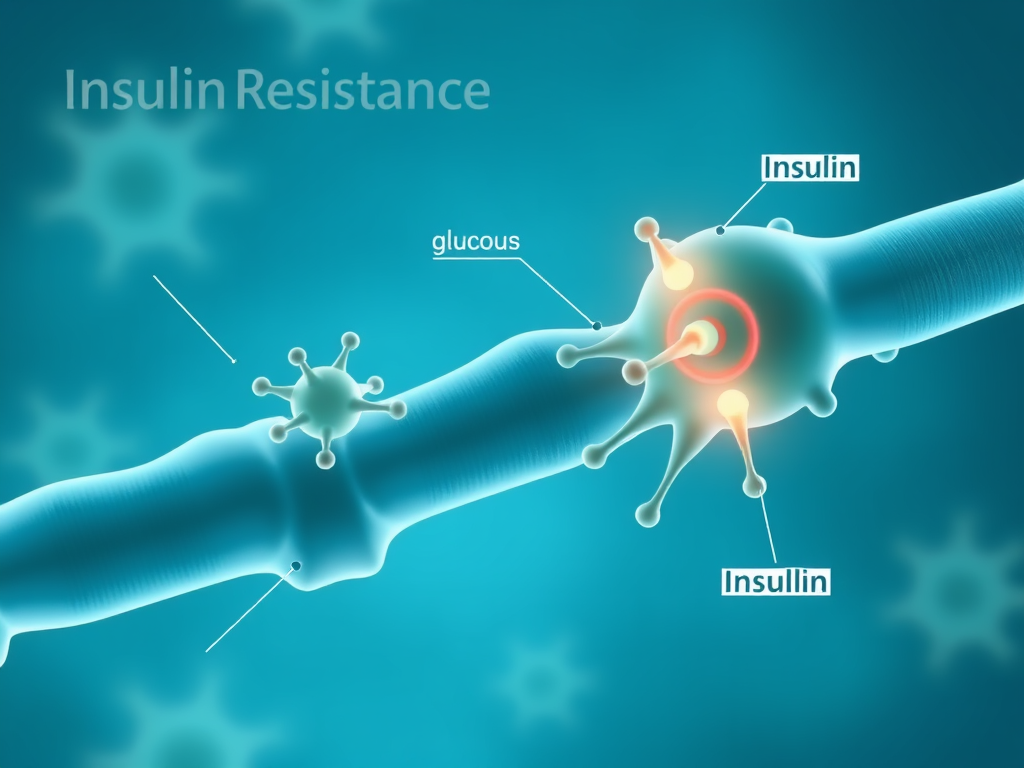
Insulin resistance is a growing concern in the modern world, affecting millions of people worldwide. It occurs when the body’s cells become less responsive to insulin, the hormone responsible for regulating blood sugar levels. As a result, the pancreas must produce more insulin to compensate, which can eventually lead to higher blood sugar levels and, if left untreated, may even result in Type 2 diabetes. Fortunately, the good news is that making simple dietary changes can significantly improve insulin sensitivity and overall health.
In this blog post, we’ll explore the best diet for insulin resistance—focusing on whole foods, nutrient-rich choices, and supplements that may help optimize your body’s ability to handle insulin. While there’s no one-size-fits-all approach, understanding the core principles of the diet can empower you to make healthier choices that support your long-term health goals.
Why Diet Matters for Insulin Resistance
First, let’s talk about why diet is such an important factor in managing insulin resistance. When your body struggles with insulin sensitivity, it means that your cells are not effectively absorbing glucose from your bloodstream. This results in higher blood sugar levels, which over time can cause inflammation, weight gain, and metabolic disturbances. However, making strategic dietary changes can help improve insulin sensitivity, reduce inflammation, and maintain steady blood sugar levels.
The goal of the best diet for insulin resistance is to minimize blood sugar spikes and improve insulin efficiency. This can be done by focusing on foods that are low in refined sugars and processed carbs, while emphasizing whole grains, healthy fats, and lean proteins. Additionally, certain foods and supplements can enhance insulin sensitivity and support metabolic health.
Embrace the Power of Low-Glycemic Foods
When it comes to managing insulin resistance, one of the most crucial concepts to understand is the glycemic index (GI). The GI measures how quickly foods raise your blood sugar levels after consumption. Foods with a high GI, such as white bread and sugary snacks, cause rapid spikes in blood sugar. On the other hand, low-GI foods, like whole grains, vegetables, and legumes, help stabilize blood sugar and improve insulin sensitivity.
A great addition to your diet is whole grains. Unlike refined grains, whole grains have a lower glycemic index and provide fiber that slows down the absorption of glucose. Some examples of whole grains include oats, quinoa, and barley. You can find whole grain options such as Bob’s Red Mill Organic Whole Grain Quinoa on Amazon, which makes a delicious, nutritious base for salads or as a side dish.
Incorporating leafy green vegetables like spinach, kale, and Swiss chard can also help manage insulin resistance. These veggies are packed with antioxidants, vitamins, and fiber, all of which support healthy metabolic function. A great way to easily include greens in your diet is through high-quality supplements like Vibrant Health Green Vibrance. This powdered greens supplement is a convenient way to get a concentrated dose of vitamins and minerals that support your insulin sensitivity.
Healthy Fats Are Your Friend
Despite the many misconceptions surrounding fats, healthy fats are crucial when it comes to improving insulin resistance. Omega-3 fatty acids, in particular, have been shown to enhance insulin sensitivity and reduce inflammation. You can find these healthy fats in fatty fish like salmon, sardines, and mackerel. If you’re looking for a convenient way to get these beneficial fats, consider taking a supplement like Nordic Naturals Ultimate Omega. This highly regarded omega-3 fish oil supplement can help improve heart health and insulin sensitivity without the hassle of consuming fatty fish regularly.
In addition to omega-3s, other healthy fats from sources like olive oil, avocado, and nuts are also excellent choices. For example, California Olive Ranch Extra Virgin Olive Oil is a high-quality product that can be used in cooking or drizzled on salads. Olive oil is rich in monounsaturated fats, which are known to promote healthy blood sugar levels and support insulin function.
Lean Protein: A Must-Have in Your Diet
Protein is an essential nutrient for anyone with insulin resistance. It helps stabilize blood sugar levels, control hunger, and support muscle mass. When it comes to choosing protein sources, focus on lean options like chicken, turkey, tofu, and legumes. These provide high-quality protein without excessive amounts of unhealthy fats.
If you’re looking for a convenient and tasty way to boost your protein intake, consider adding Orgain Organic Protein Powder to your daily routine. This plant-based protein powder is a great addition to smoothies and shakes, offering 21 grams of protein per serving with no artificial ingredients.
Additionally, don’t overlook the benefits of incorporating legumes like lentils, chickpeas, and beans into your meals. These foods are not only rich in protein but also contain fiber, which helps regulate blood sugar levels. Eden Organic Lentils are a great example of high-quality legumes that can easily be added to soups, stews, and salads.
Keep Your Carbs in Check
Carbohydrates play a significant role in managing insulin resistance, but not all carbs are created equal. It’s essential to focus on complex carbohydrates, which are digested more slowly and have a lower impact on blood sugar. Foods like whole grains, legumes, sweet potatoes, and non-starchy vegetables fall into this category.
On the other hand, refined carbs, such as those found in white bread, pastries, and sugary snacks, can cause sharp spikes in blood sugar and exacerbate insulin resistance. A simple way to swap refined carbs is by choosing whole food alternatives like Sweet Potato or Cauliflower Rice instead of white rice or mashed potatoes. Sweet potatoes are rich in fiber and beta-carotene, while cauliflower rice is a low-calorie, low-carb alternative to regular rice.
For those who enjoy baking, King Arthur Baking Company’s Gluten-Free Whole Grain Flour is a great substitute for all-purpose flour. It allows you to bake with a whole-grain option that maintains a low glycemic index, giving you healthier baked goods that are better for blood sugar control.
Don’t Forget About Supplements
In addition to a well-balanced diet, certain supplements may help improve insulin sensitivity. One supplement that has shown promise in managing insulin resistance is berberine. Berberine is a natural compound found in several plants and has been shown to help lower blood sugar levels and improve insulin sensitivity. A popular option available on Amazon is Now Supplements Berberine 500mg. It’s an affordable and effective way to support your metabolic health.
Magnesium is another mineral that can play a role in improving insulin sensitivity. Many people with insulin resistance have lower levels of magnesium, and supplementing with this mineral may help optimize blood sugar control. You can find high-quality magnesium supplements like Natural Vitality Calm Magnesium Citrate on Amazon, which also helps with relaxation and stress management.
Conclusion
When it comes to managing insulin resistance, the best diet revolves around whole foods that promote steady blood sugar levels and enhance insulin sensitivity. By focusing on low-glycemic foods, healthy fats, lean proteins, and complex carbohydrates, you can support your body’s ability to handle insulin efficiently. Additionally, supplements like berberine, omega-3s, and magnesium can further support your efforts.
Remember, there is no “quick fix” for insulin resistance. However, with consistent changes to your diet and lifestyle, you can significantly improve your insulin sensitivity, reduce your risk of developing Type 2 diabetes, and lead a healthier life. Incorporating the right foods and supplements can make all the difference in how your body responds to insulin, ultimately contributing to better health and wellbeing.
By starting with small, manageable changes—like adding more leafy greens, swapping refined carbs for whole grains, and using high-quality supplements—you can take control of your health and manage insulin resistance more effectively.
Disclosure: As an Amazon Associate, I may earn from qualifying purchases, but this does not affect my recommendations.I only suggest products I’ve personally vetted.
 Be Inspired..!!
Leave a reply to GS Cancel reply