
Our society has long portrayed love as this romantic, exciting, and adventurous concept that should bring us joy, happiness, and fulfillment.
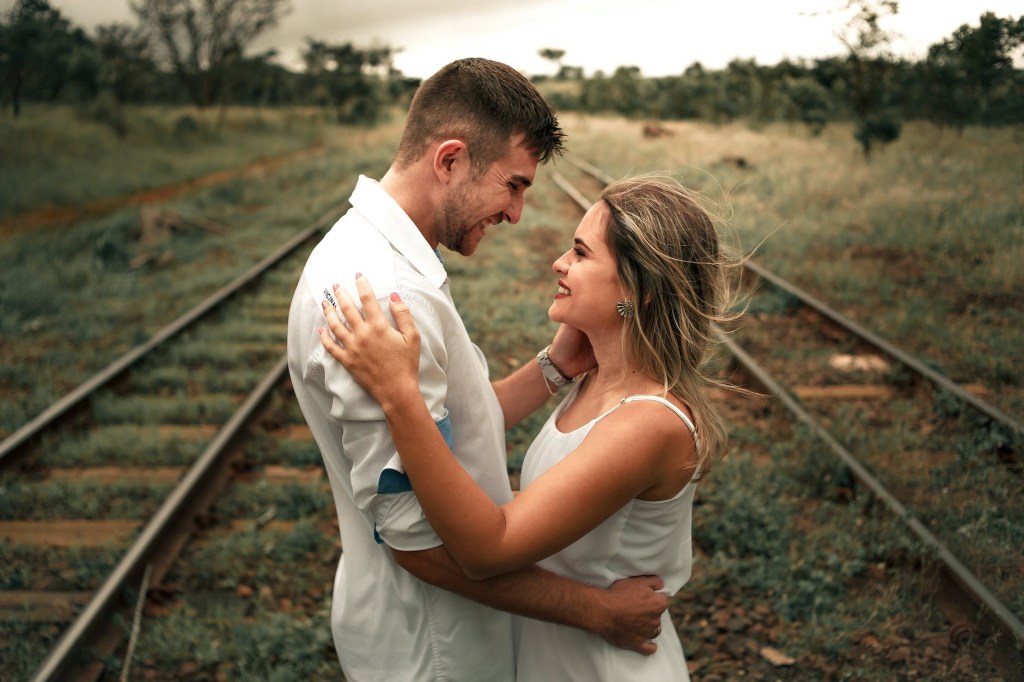
Love can be a beautiful experience, but the intensity of this experience can sometimes become addiction-like, leading many people to look to obsessive thoughts, behaviors, and other unhealthy tendencies.
Having healthy romantic attachments not only seems to enhance well-being but also appears specially evolved for human connection because of the perception of shared experiences associated with expressions of endearment towards a partner. A positive attachment means the individuals involved in that relationship are committed to being each other’s guardian and are ready to offer support as needed.
For many people, love or the idea of unconditional affection from their partner means being happy and understood. Researchers have found that the same areas in the brain that activate when someone is experiencing addiction also activate when somebody in a romantic relationship sees a picture of their partner. Of course, the area of your brain assumes you maintain contact with the individual involved in a positive attachment. Attachment represents wantingness for safety and assurance and becoming physically and emotionally attached to and connected in many ways to one special person.
However, when people become too attached to their significant other, they can develop an unhealthy level of dependence on that person, which mimics addiction. The hormonal chemical, such as oxytocin and dopamine, released when we experience love usually inhibits the brain reward system, leading to an increased need to pursue that behavior, which resembles addiction.
When romantic love becomes an addiction, the attachment to one’s partner can become an extreme craving or obsession; behaving compulsively towards the person overrides logic and reasoning, even when it’s clear that the relationship is unhealthy. This form of addiction can prove to be incredibly difficult to break away from; it can be especially exhausting if experiencing rejection or arguing with the spouse.
Love and addiction have a complicated relationship that isn’t as simple as just labeling an experience “good” or “bad.” Recognizing signs of addiction in the relationship dynamic is essential. In therapy, therapists seek to understand the foundation and expectations arising from love. Individuals with addiction or attachment issues to love are more prone to seek validation and familiarity of people involving in past experiences, on emulating ancient attachments in dealing with current life experiences; often times resulting them in repeatedly attracted adverse triggers from emotionally unavailable individuals.
It’s natural to need and express affection attentively, but it is vital not to fall into an obsessively unhealthy pattern that cycles codependency from enablers (enablers in this case, meaning those persons willing to normalize and encourage repetitive patterns of bad behaviour displayed by their beloveds). In other cases, fear of feeling the disconnect can come to light; it is the fear of abject loneliness or not finding such opportunities beyond the existing relationship bonds.
To that end, if you’re beginning to wonder if romantic love is controlling your existence or your relationship, it’s time to reach out and seek help and counseling from professionals. Attending self-help groups, authoritative literature, mindfulness programs or meditative measures and may teach minimalists new ways to promote self—sufficiency through contemplative thoughts. Take care.
“Calm” – New Book Release. Imagine experiencing a new level of understanding and self-awareness. Imagine feeling empowered to handle every challenge coming your way with grace and ease. Imagine the person you could be, filled with hope, energy and fulfillment. Buying this book is the first step to experiencing a level of calm that feels like an ocean of tranquility washing over you. https://amzn.eu/d/h3dOJon
 Be Inspired..!!
Leave a comment