
Herbal Remedies for Children
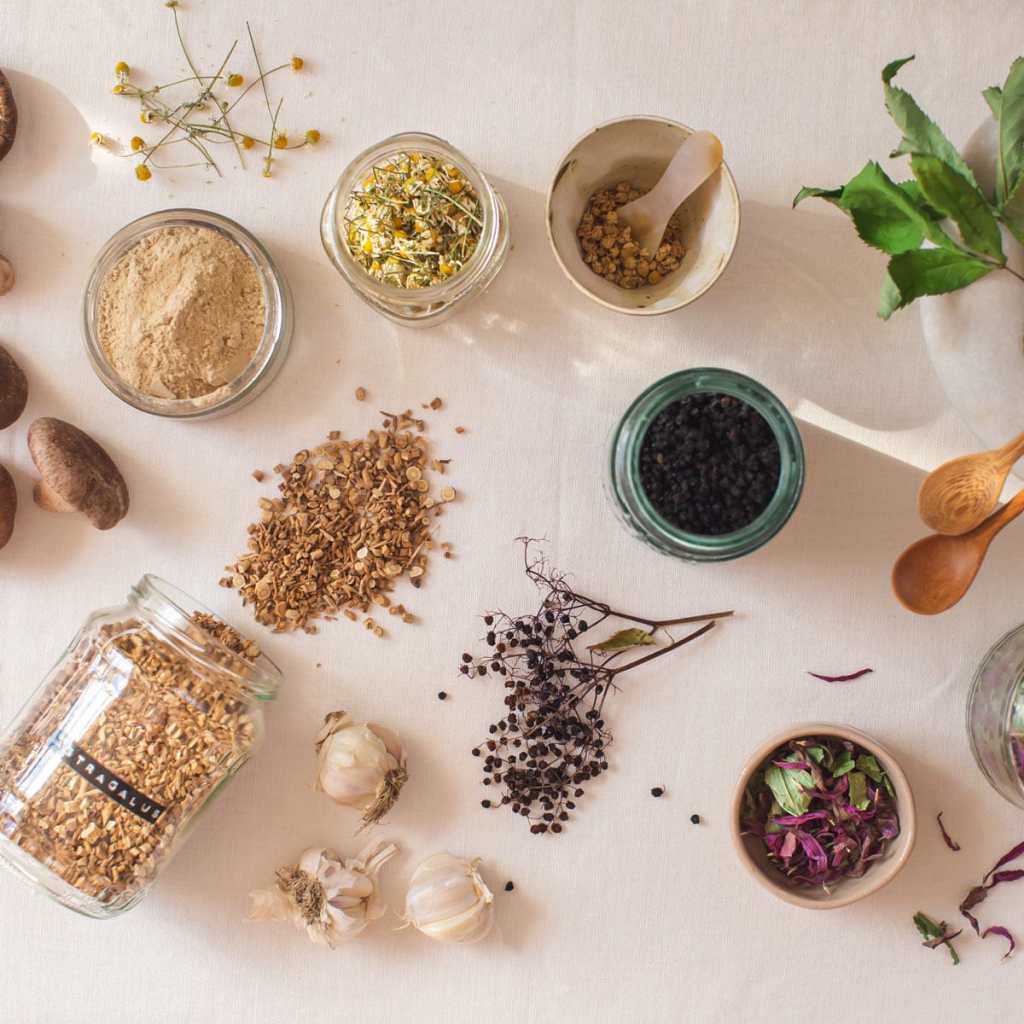
Learn how to choose gentle, mild herbs with soothing properties to ease many childhood ailments and hasten your child’s recovery. Babies receive healing chemicals confined in herbal remedies via their mothers milk, along with protective natural antibodies. Once children stop breast feeding, however, their immature immune systems leave them susceptible to respiratory and other viral infections. Luckily, herbs such as echinacea, elderberry and rosehip can give their immune response a boost.
Cuts and Scrapes – This is not the only herbal benefit available to children : a chamomile infusion soothes a hyperactive child, while used as a compress or balm it is a natural antiseptic for cuts and grazes. Many herbs ease the growing pains of childhood, although you do have to be aware of special consideration when administering natural medicines to little ones. Children may need to be encourages to take unfamiliar herbs, so choose mild ones such as chamomile or administer as a cordial or cream.
Special Considerations – Reduce the standard dosage of herbal remedies to suit the age of the child
- 6 months – 1 year – 5% of adult dose
- 1 year – 2 years – 10% adult dose
- 3 – 5 years – 20% adult dose
- 5 – 10 years – 50% adult dose
- 11 – 15 years – 80% adult dose
- 15 years + – full adult dose
Be careful when administering herbal remedies to your child that the dose and the ingredients are suitable.
Special Advice for Treating Babies
- Don’t give herbs to babies under 6 months without professional consultation.
- Infants can become ill rapidly. Seek emergency attention for fever above 39C, diarrhoea, vomiting or breathing difficulties.
- Honey is an ideal way to administer herbs to children, but is not recommenced for infants under one year. It can induce serious food poisoning in babies.
Reference : https://i.pinimg.com/474x/8e/56/c3/8e56c34b0ef8c6e3f123d58d93aedd6b–medicinal-herbs-healing-herbs.jpg
 Be Inspired..!!

Leave a comment