
As advancements in science and technology continue to push boundaries, a new wave of innovation has emerged – biohacking. This rapidly-growing movement involves individuals taking control of their own biology through various self-experimentation methods aimed at enhancing and optimizing human performance.
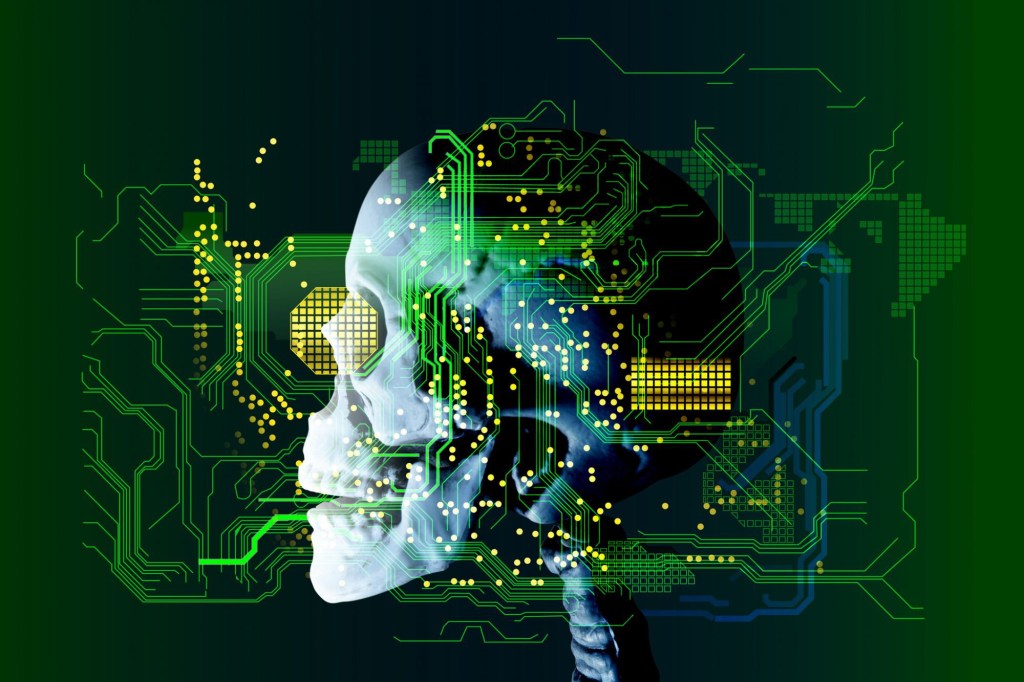
While there may be concerns and controversies surrounding the ethics and safety of biohacking, the potential it presents for the future cannot be ignored.
Enhanced Physical and Cognitive Abilities:
Biohacking offers tremendous potential for unlocking the human body’s full potential. Whether through the use of smart drugs, gene editing, or implantable technologies, biohackers aim to improve cognitive functions, enhance physical performance, and even increase life expectancy. By leveraging techniques such as nootropics that augment memory and focus, individuals can push the boundaries of their cognitive abilities beyond what was once thought possible.
Improved Healthcare and Personalized Medicine:
Biohacking has the potential to revolutionize healthcare. It offers the promise of personalized medicine, tailoring treatments to an individual’s unique genetic makeup. By utilizing gene editing tools such as CRISPR, biohackers can potentially eradicate genetic diseases and unlock remarkable advancements in human health. Furthermore, self-tracking technologies allow individuals to monitor their health in real-time, enabling proactive interventions and personalized healthcare plans.
Collaborative Innovation:
One of the most exciting aspects of biohacking is its inherently collaborative nature. Unlike traditional scientific research, biohacking encourages an open-source approach, where information and ideas are freely shared within the community. This fosters a culture of collaboration, allowing for exponential growth in knowledge and innovation. From online forums to physical meetups, biohackers connect, experiment, and learn from one another’s experiences, propelling advancements in this field at an unprecedented pace.
Ethical Challenges and Safety Concerns:
With any technological breakthrough comes ethical and safety considerations. Some argue that biohacking may create a divide between those who can afford access to cutting-edge technologies and those who cannot, exacerbating existing inequalities in society. Safety concerns also arise when amateurs attempt risky procedures without proper understanding or guidance. However, it is important to differentiate between responsible biohacking and reckless experimentation. Regulation and ethical frameworks need to be established to ensure the safety and fairness of this field while still promoting innovation.
Controlling the Future:
The potential impact of biohacking on our future is immense. By taking control of our biology, we can push the boundaries of human potential, improve healthcare outcomes, and address genetic diseases that have plagued humanity for centuries. As we gain more knowledge and understanding about our biology, we become the architects of our own evolution.
Biohacking may be a controversial topic, but its potential for shaping the future cannot be underestimated. As we embrace this movement with responsibility and ethical guidelines, we can unlock untapped potential, redefine human limitations, and lead healthier, more fulfilling lives. By combining scientific research, collaboration, and responsible self-experimentation, we can push the frontiers of science and challenge societal norms. Biohacking is not a crime; it is an invitation to rewrite the rules and pave the way for a brighter, more advanced future.
🌟✨ “Believe” is available now, waiting to guide you on an extraordinary voyage towards self-discovery and personal growth. 😊📘🌈 Are you ready to embark on this life-changing adventure? 💪🚀 Don’t let another day pass without taking action. ⏰⚡ Pick up “Believe: The Power of Hope, Faith, and Determination” today and empower yourself to live a life beyond your wildest imagination. 🌟🔥 The power is within you; it’s time to unleash it. 💥💫 https://a.co/d/fW08TXB 💁♀️💡


Leave a Reply