
A simple, slightly dramatic dive into the neuroscience of micro-wellness and how tiny habits can genuinely rewire stress
I really appreciate you checking out my blog! Just so you know, some of the links in this post are affiliate links. This means that if you buy something through them, I might earn a little bit of money, at no extra cost to you. There’s absolutely no pressure to buy anything, but if you do, it genuinely helps support the time and love I put into writing these posts.
I had a moment the other day—one of those “my brain might actually be buffering” moments—where I felt like everything was happening all at once.
Emails, texts, work tasks, dinner decisions, existential dread, the usual.
For a split second, I swear I could hear the Windows 98 error sound inside my skull.
So I did something unexpected.
I stopped.
I breathed.
I counted to 10 in the slowest, most dramatic way possible.
The whole pause took maybe 90 seconds.
And suddenly—miraculously—my brain felt like it had rebooted.
That moment sent me down a rabbit hole of neuroscience that I honestly didn’t expect to love.
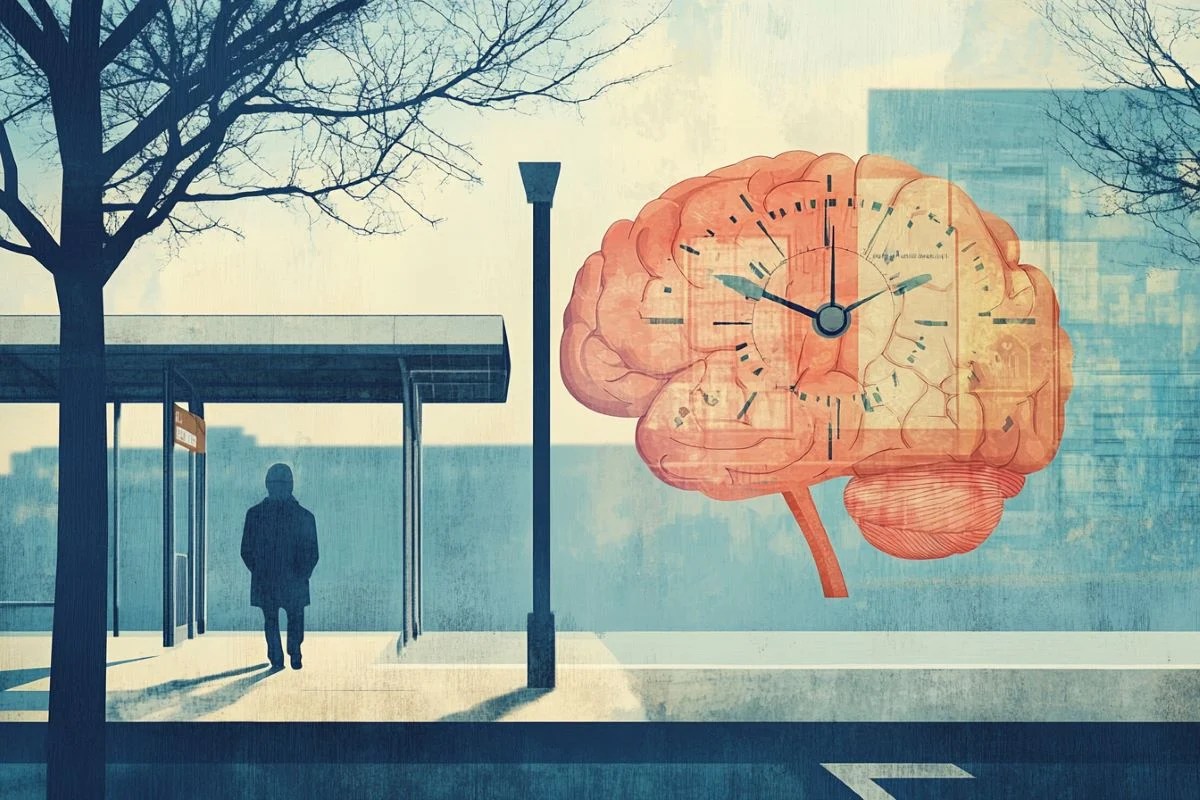
It turns out you can retrain your stress response in as little as two minutes—and your brain is much more adjustable than it pretends to be.
So in this post, we’re diving into the simple science behind micro-wellness, why tiny habits make such a huge difference, and how you can build your own two-minute reset routine with just a couple of inexpensive Amazon finds.
If you’ve ever felt like your stress response is driving the bus while you’re just along for the ride, buckle up.
We’re taking back the wheel—two minutes at a time.
The Brain Behind the Stress: A Simple Breakdown
Let’s make neuroscience feel less like a textbook and more like real life.
When you’re stressed, your brain activates the amygdala, which is basically your internal fire alarm.
Loud, dramatic, overreactive… and sometimes wrong.
It tells your body, “Something is wrong! React now!”
But the part of your brain that handles calm, logic, and rational thought—the prefrontal cortex—is slower.
It’s like the chill friend who strolls into the situation and says:
“Hey… maybe we don’t need to panic about this email from Janet.”
Micro-wellness works because it interrupts the amygdala long enough for the prefrontal cortex to take over.
Think of it like pressing the “Pause” button on your emotional playlist.
And guess what?
This switch only takes a minute or two.
That’s why micro-wellness is powerful.
It’s not about long meditation retreats or hourlong yoga flows.
It’s about giving your brain a tiny breather so your logical self can step back into the driver’s seat.
My First Real Micro-Wellness Win
I had been skeptical about tiny habits.
How could something that takes less time than microwaving leftovers possibly help my stress?
Then one afternoon, I felt my frustration spike after reading an email that was somehow both urgent and vague (the worst combo).
My shoulders were in my ears, my jaw was clenched, and I was two seconds away from imagining dramatic worst-case scenarios.
Instead of spiraling, I tried a two-minute routine I read about:
30 seconds of slow breathing
+
30 seconds of stretching my neck
+
30 seconds of staring out the window (not at my phone)
+
30 seconds of relaxing my jaw
It felt too simple to matter…
but my stress dropped so fast it was almost suspicious.
It was the first time I realized:
tiny doesn’t mean weak—tiny means doable.
And doable actually works because we repeat it.
The Neuroscience of “Tiny But Powerful”
Here’s why your brain responds better to small habits than giant ones:
✔ Micro-habits reduce resistance.
Your brain loves anything that feels easy.
Two minutes doesn’t trigger the “ugh, not right now” reaction.
✔ Small acts signal safety.
When you pause—even briefly—you’re essentially telling your nervous system:
“We are not in danger. Calm down.”
✔ Repetition builds new pathways.
Neural circuits strengthen through frequency, not length.
Two minutes five times a day beats an hour once a month.
✔ Interrupting stress early prevents the spiral.
Once your amygdala hits overdrive, it’s harder to rein it back in.
Micro-wellness stops the spiral before it starts.
Your brain is constantly listening to your behavior.
Two minutes of calm tells it, “We can handle this,” and with time, it starts believing you.
My Go-To Two-Minute Micro-Wellness Tools (Amazon Edition)
These are small, affordable items I love using because they make the two-minute reset feel even easier.
1. A Handheld Breathing Trainer (Amazon: “Breathwrk Respiration Tool”)
This little device slows your exhale automatically.
Why it works:
• Your exhale activates the parasympathetic nervous system
• The slower the exhale, the more your stress response shuts off
• You can use it anywhere—at your desk, in your car, while reheating pasta
Two minutes with this? Instant brain reset.
2. Acupressure Stress Relief Rings (Amazon: “Spiky Anxiety Rings”)
These are small metal rings you roll up and down your finger.
Sounds strange, feels incredible.
Why they help:
• Gives your brain tactile feedback
• Interrupts racing thoughts
• Grounds your nervous system
• Takes literally one second to use
Whenever I feel fidgety, these work better than any pep talk.
3. A Mini Desk Timer (Amazon: “MagicCube 1–5 Minute Timer”)
I know—we all have timers on our phones.
But you and I both know the second we pick up our phone, we’re accidentally on Instagram.
A physical timer keeps you focused.
Why I love it:
• Zero distractions
• Sets a boundary around the two-minute reset
• Makes the habit feel official
Sometimes you need a little box to tell you, “Breathe. Reset. Don’t overthink.”
My Two-Minute Stress Reset (Copy This Anytime)
Here’s the exact routine I use when my brain feels like it’s buffering:
00:00–00:30 → Slow breathing with the breathing tool
Inhale 4 seconds / exhale 6 seconds.
00:30–01:00 → Grounding fidget (stress ring)
Small tactile movement to interrupt anxious loops.
01:00–01:30 → Shoulder + neck drop
Release the tension elevator you didn’t know you were riding.
01:30–02:00 → Stillness
Stare at a plant, a wall, the sky—just not a screen.
Two minutes.
That’s it.
Two minutes that genuinely change my stress trajectory for the next hour.
And because it’s so quick, I actually do it.
Where My Newsletter Fits In (Very Gently)
I started sharing guides like this because we’re all trying to feel better without feeling overwhelmed.
And micro-wellness is one of those topics people don’t talk enough about even though it can change everything.
So I created a newsletter where I share:
• Easy neuroscience explained in everyday language
• Practical wellbeing tips that take minutes—not hours
• Stress-reset tools and routines
• Small habits that make a big difference
• Amazon finds that genuinely support your mind and body
If you like posts that teach you something useful while still feeling like a friendly conversation, you’d feel right at home there.
No pressure—just an open invite.
Your Brain-Friendly Takeaway
Micro-wellness isn’t about doing more.
It’s about doing less—more intentionally.
Two minutes may not sound like much,
but your amygdala doesn’t need much to chill out,
and your prefrontal cortex doesn’t need much to step in,
and your nervous system doesn’t need perfection—just consistency.
Your brain learns from repetition, not intensity.
So here’s my question for you:
What’s your biggest stress trigger—and when do you feel it most?
Your answer might shape the next micro-wellness routine we build together.
Disclosure: As an Amazon Associate, I may earn from qualifying purchases, but this does not affect my recommendations.I only suggest products I’ve personally vetted.
 Be Inspired..!!
Leave a comment