
A gentle, realistic guide to osteopathy-inspired care at home (no lab coat required)
I really appreciate you checking out my blog! Just so you know, some of the links in this post are affiliate links. This means that if you buy something through them, I might earn a little bit of money, at no extra cost to you. There’s absolutely no pressure to buy anything, but if you do, it genuinely helps support the time and love I put into writing these posts.
There’s a moment many of us hit — usually after sitting too long, sleeping weird, or standing up and making a noise we don’t remember agreeing to — when we realize our body is trying to tell us something.
Not in a dramatic way.
More like a polite but persistent email that says, “Hey… we need to talk.”
That’s how I first became curious about osteopathy at home. Not because I wanted to replace professional care or diagnose anything myself, but because I wanted to feel more connected to how my body actually moves, rests, and recovers on a day-to-day basis.
Osteopathy, at its core, is about understanding the body as a whole — how posture, movement, breathing, and tension all work together. And while seeing a trained osteopath is incredibly valuable, there’s also a lot you can do at home to support those same principles gently and safely.
No cracking.
No forcing.
No pretending you’re a medical professional.
Just simple, thoughtful habits that help your body feel a little more supported.
First, a Gentle Reality Check
Let’s get this out of the way:
At-home osteopathy is not treatment.
It’s not a replacement for professional care.
It’s not about fixing anything overnight.
Instead, it’s about awareness, movement, and creating small daily moments that help your body feel less stiff and more at ease.
Think of it like brushing your teeth — not dramatic, not glamorous, but incredibly helpful over time.
The One Idea That Changed Everything for Me
Here’s the thought that really stuck:
Your body likes small movements done often more than big movements done once.
Once I understood that, everything shifted.
I stopped trying to “stretch everything” in one go.
I stopped pushing through discomfort.
And I started listening more closely to what felt supportive instead of what looked impressive.
That’s where at-home osteopathy-inspired care really shines.
Habit #1: Gentle Daily Mobility (Without Turning It Into a Workout)
One of the simplest osteopathic ideas is that joints and tissues like to move — but gently, and regularly.
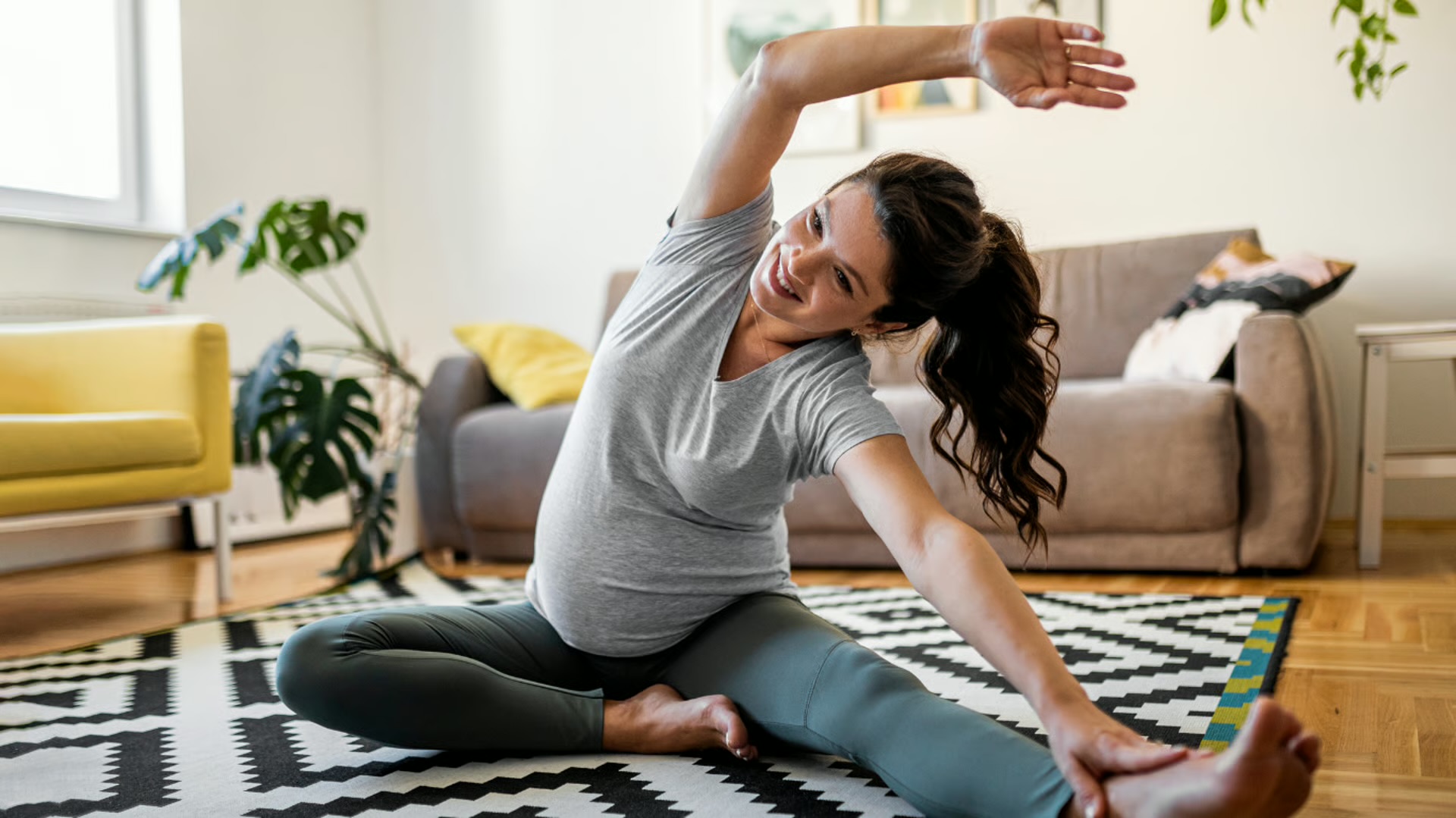
So instead of long, sweaty routines, I started doing 5–10 minutes of slow mobility once or twice a day:
• Neck circles
• Shoulder rolls
• Gentle spinal twists while seated
• Hip circles
• Easy forward folds
Nothing aggressive.
Nothing forced.
To make this easier, I started using a thick, supportive yoga mat, like the BalanceFrom Extra Thick Yoga Mat on Amazon.
Not because it’s fancy, but because comfort matters.
When the surface feels good, you’re more likely to actually do the movement.
I roll it out, move slowly, breathe normally, and stop before anything feels like a strain.
That alone makes my body feel less “locked up.”
Habit #2: Self-Release for Tension (Not Pain)
Here’s where people sometimes get confused.
Self-release is not about digging into pain or “breaking up knots.”
It’s about inviting muscles to relax, not bullying them into submission.
I use a soft foam roller, like the TriggerPoint CORE Foam Roller on Amazon, and I treat it like a support tool, not a weapon.
I’ll gently roll:
• Upper back
• Calves
• Hamstrings
• Glutes
Slowly.
Breathing.
Stopping if anything feels sharp or uncomfortable.
Sometimes I don’t even roll — I just rest on the roller and let gravity do the work.
This kind of gentle release pairs beautifully with osteopathic principles because it respects the body instead of overpowering it.
Habit #3: Breathing That Actually Helps Your Body Move
This one surprised me the most.
I used to think breathing was just… breathing.
Turns out, how you breathe affects your ribs, spine, neck, and even your digestion.
So now, part of my at-home osteopathy routine is slow, intentional breathing:
• Inhale through the nose
• Exhale slowly through the mouth
• Let the ribs expand
• Let the belly soften
I usually do this lying on the floor or sitting upright, sometimes with a small pillow behind my lower back.
To support this, I use a firm lumbar support cushion, like the Everlasting Comfort Lumbar Support Pillow on Amazon.
It helps me sit in a way that doesn’t collapse my posture, which makes breathing deeper and easier.
Five minutes of this kind of breathing can calm the nervous system more than you’d expect.
A Very Relatable Moment
There was a night when I stood up from the couch and my back made a noise that sounded like popcorn.
I froze.
Not in pain — just confused.
Instead of panicking, I laid down on my mat, did a few gentle twists, rolled my upper back for a minute, and focused on breathing.
Nothing dramatic happened.
But when I stood up again, I felt… smoother.
Less creaky.
More at home in my body.
That’s when I realized these small practices don’t need to be intense to be effective.
What Osteopathy at Home Really Looks Like
It looks like:
• Moving a little every day
• Sitting with better support
• Releasing tension gently
• Breathing more fully
• Respecting your body’s limits
It does not look like:
• Forcing adjustments
• Copying medical techniques
• Ignoring pain
• Trying to “fix” yourself
The goal is support, not correction.
The Only 3 Amazon Products I Recommend for This
To keep things realistic and wallet-friendly:
1. BalanceFrom Extra Thick Yoga Mat – for comfortable movement
2. TriggerPoint CORE Foam Roller – for gentle self-release
3. Everlasting Comfort Lumbar Support Pillow – for posture + breathing
That’s it.
Simple tools.
Simple habits.
Real consistency.
A Newsletter Invitation That Fits Naturally
Since we’re already talking about small daily habits that make the body feel better — I should share something I’m excited about:
I recently launched my newsletter, and it’s where I explore gentle wellness routines, simple movement ideas, stress-support tools, and real-life ways to feel better in your body without pressure or extremes.
If this post resonated with you, I think you’d really enjoy it.
It’s friendly, practical, and written like a conversation — not a lecture.
You can sign up quickly, and I’d genuinely love to have you there.
Your Turn — How Does Your Body Ask for Care?
Does your neck talk to you after screen time?
Do your hips complain after long days?
Do you already have a small routine that helps?
Tell me.
I want to hear what your body has been saying lately.
Because the more we listen, the easier it becomes to respond — gently, consistently, and with care.
Disclosure: As an Amazon Associate, I may earn from qualifying purchases, but this does not affect my recommendations.I only suggest products I’ve personally vetted.
 Be Inspired..!!
Leave a comment