
Why Honey and Bee Pollen Might Be the Most Underrated Health Duo
I really appreciate you checking out my blog! Just so you know, some of the links in this post are affiliate links. This means that if you buy something through them, I might earn a little bit of money, at no extra cost to you. There’s absolutely no pressure to buy anything, but if you do, it genuinely helps support the time and love I put into writing these posts.
Somewhere along the way, honey got reduced to a backup sweetener. The thing you reach for when sugar feels “too much,” or when you’re sick and someone says, “Try tea with honey.” Bee pollen? That usually lives in the category of health food store mystery item—the thing you see on a shelf, nod at respectfully, and then walk right past.
But the more I learned, the more I realized honey and bee pollen aren’t trends. They’re old. Ancient. And honestly, kind of brilliant.
I first started paying attention to honey not because I was trying to be healthier, but because my body was clearly tired of the constant spikes and crashes from refined sugar. I wasn’t eating dessert nonstop, but I was relying on quick sweetness to get through the day. A little here, a little there. And my energy showed it.
Honey felt different. Not magical. Just steadier. When I swapped refined sugar for raw, unfiltered honey, something shifted. My cravings didn’t disappear, but they softened. My energy didn’t spike and crash as hard. And I stopped feeling like my body was arguing with me all afternoon.
That’s when I started digging into why.
Honey isn’t just sugar. Raw honey contains enzymes, antioxidants, trace minerals, and compounds that support digestion and immune function. It’s still sweet, yes, but it comes packaged with things your body actually knows how to work with. That’s the difference.
I started using it in small, intentional ways. In tea. Drizzled over yogurt. A spoonful before a walk. It wasn’t about restriction. It was about choosing something that gave back a little instead of taking.
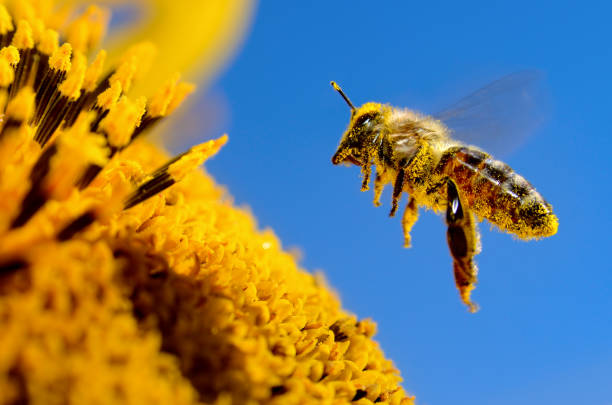
Bee pollen came later, mostly out of curiosity. I kept hearing people talk about it like it was either a miracle food or complete nonsense, which usually means the truth is somewhere in the middle. Bee pollen is basically what bees collect from plants, packed with vitamins, amino acids, enzymes, and antioxidants. It’s nutrient-dense in a way modern food often isn’t.
I’ll be honest, I didn’t love it at first. Bee pollen has texture. Crunchy little granules that remind you this came straight from nature, not a lab. But once I figured out how to use it, it stuck. A sprinkle on smoothies. Mixed into yogurt. Added to oatmeal. Small amounts, not heaps.
One thing I noticed pretty quickly was how it supported overall energy. Not caffeine energy. More like background stamina. I didn’t feel as wiped out between meals. My focus lasted longer. And I didn’t feel as reactive to stress.
That makes sense when you look at what bee pollen provides. It contains B vitamins, which support energy metabolism, plus antioxidants that help your body manage inflammation and oxidative stress. Again, not a cure-all. Just support.
I also noticed something interesting with digestion. Both honey and bee pollen seemed gentler than a lot of processed foods I’d been leaning on. Honey has prebiotic properties, meaning it feeds beneficial gut bacteria. When your gut is happier, everything feels easier. Mood. Energy. Immunity. It’s all connected.
One product that made this easy was a local or raw honey sourced responsibly (Amazon has several reputable options). Local matters because honey can contain trace amounts of pollen from nearby plants, which some people find supportive for seasonal allergies. Even if you’re skeptical, using raw honey keeps the beneficial compounds intact.
For bee pollen, I stuck with granulated bee pollen instead of capsules. Capsules feel clinical. Granules feel like food. And food is easier to build into a routine. A little goes a long way.
I also found it helpful to pair these with something grounding, like a warm drink ritual. A simple glass tea mug made that feel intentional instead of rushed. There’s something about slowing down that makes nourishment actually work better.
Here’s what matters most, though. Honey and bee pollen aren’t about chasing health trends. They’re about reconnecting with foods that have been supporting humans for thousands of years. Before labels. Before marketing. Before “biohacking.”
They remind you that nourishment doesn’t have to be extreme to be effective.
Another thing I appreciated was how sustainable this felt. No strict rules. No cutting everything out. Just gentle upgrades. Choosing honey over refined sugar most of the time. Adding bee pollen when it felt supportive, not forced.
I also noticed how these foods changed my relationship with sweetness. When sweetness came with nourishment, I didn’t need as much of it. My palate adjusted. Fruit tasted sweeter. Dark chocolate felt richer. That’s not discipline. That’s biology recalibrating.
There’s also something grounding about knowing where your food comes from. Bees are essential to ecosystems. Supporting bee products, especially from ethical sources, feels like participating in something bigger than yourself. It’s nourishment with context.
Of course, these aren’t magic fixes. If you’re allergic to pollen or have specific health conditions, you need to be thoughtful. Start small. Listen to your body. Food should support you, not stress you out.
But for most people, honey and bee pollen offer a simple way to add nutrients, support energy, and reduce reliance on ultra-processed sweetness. That’s a win.
I write about things like this in my newsletter. Not superfoods that promise miracles, but everyday foods and habits that quietly support your body over time. If you like learning in a way that feels calm, practical, and grounded in real life, you’re welcome to sign up. It’s meant to feel like a conversation, not a lecture.
So I’ll leave you with this question, because it’s one worth asking: what would happen if you chose nourishment that works with your body instead of against it?
Sometimes the most powerful health choices aren’t new at all. They’re the ones bees figured out long before we did.
Disclosure: As an Amazon Associate, I may earn from qualifying purchases, but this does not affect my recommendations.I only suggest products I’ve personally vetted.
 Be Inspired..!!
Leave a comment