
Why Anti-Inflammatory Tea and Chai Might Be the Coziest Health Habit You Keep
I really appreciate you checking out my blog! Just so you know, some of the links in this post are affiliate links. This means that if you buy something through them, I might earn a little bit of money, at no extra cost to you. There’s absolutely no pressure to buy anything, but if you do, it genuinely helps support the time and love I put into writing these posts.
I didn’t start drinking tea because I wanted to be healthy. I started because I wanted to feel better. Less achy. Less wired. Less like my body was quietly protesting every long day. Somewhere between stress, screens, and rushing through meals, my system felt inflamed in a way that was hard to explain but easy to feel.
That’s when tea stopped being a background beverage and became a daily ritual.
Inflammation gets talked about like it’s a scary diagnosis, but most of the time it’s low-grade and sneaky. Stiff joints in the morning. Brain fog in the afternoon. A body that feels puffy, sore, or heavy for no obvious reason. Inflammation is basically your body saying, “I’ve been dealing with a lot.”
And tea, especially anti-inflammatory tea and chai, has a quiet way of answering back.
Anti-inflammatory teas work because of what’s inside them. Ingredients like ginger, turmeric, cinnamon, cardamom, clove, and black pepper have been used for centuries to support digestion, circulation, and immune balance. They don’t override your body. They support it.
I noticed this first with ginger and turmeric tea. Nothing dramatic. Just subtle relief. My digestion felt calmer. My joints felt less creaky. My body felt less reactive overall. Drinking it felt like sending a message to my system that it didn’t have to stay on high alert.
One tea that made this easy was a high-quality turmeric ginger tea blend from Amazon. I liked it because it didn’t taste medicinal. It tasted warm and grounding. That matters. If something feels like a chore, you won’t stick with it. Anti-inflammatory support only works if it becomes a habit.
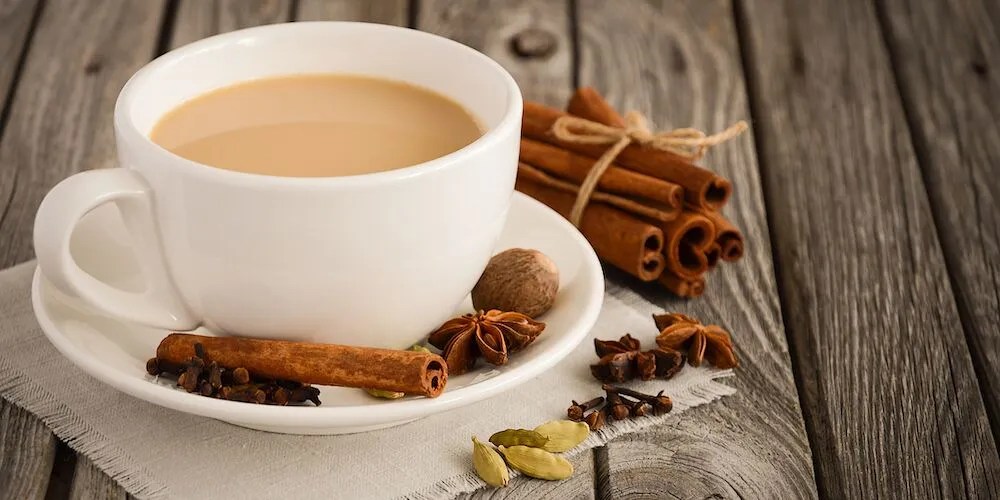
Chai tea came into my life differently. I always thought of chai as indulgent. Sweet. A treat. But real chai, traditional chai, is actually a powerhouse of anti-inflammatory spices. Black tea paired with warming spices like cinnamon, ginger, cardamom, and clove creates a blend that supports blood sugar balance, circulation, and digestion.
What surprised me was how chai made me feel afterward. Not jittery. Not sluggish. Just steady. Focused. Warm from the inside out. It became my afternoon alternative to coffee, especially on days when caffeine felt like too much.
A loose-leaf chai tea made a big difference here. Loose-leaf tends to be fresher and more aromatic, which means more active compounds and better flavor. Brewing it slowly turned tea time into a pause instead of a pit stop. That pause alone reduced stress, which is one of the biggest drivers of inflammation.
Here’s the thing people don’t talk about enough. Stress is inflammatory. Rushing is inflammatory. Eating on the go is inflammatory. Tea works partly because it forces you to slow down. You can’t chug it. You have to wait. You have to sit with it. That alone tells your nervous system it’s safe to relax.
I started pairing tea with simple moments. Morning quiet. Afternoon reset. Evening wind-down. My body learned the rhythm. Over time, inflammation softened not because I eliminated everything “bad,” but because I added something supportive.
One small upgrade that made this ritual stick was a ceramic tea mug with an infuser. It kept everything in one place. No extra tools. No fuss. When something is easy, it becomes consistent. Consistency is where real benefits show up.
Another benefit I noticed was digestion. Spices in chai stimulate digestive enzymes. That helps your body break down food more efficiently, which reduces gut irritation and bloating. And since gut health and inflammation are deeply connected, better digestion often means less systemic inflammation.
Sleep improved too, especially when I swapped evening caffeine for caffeine-free anti-inflammatory teas. Better sleep means better recovery. Better recovery means less inflammation. It’s all connected.
One thing I appreciate about tea is that it’s gentle. You don’t feel like you’re “doing a protocol.” You feel like you’re caring for yourself. That mindset shift matters. When care replaces control, the body responds better.
I also noticed how tea changed my cravings. When my body felt nourished and warm, I reached less for sugar or quick fixes. That wasn’t discipline. That was balance.
Now, a responsible note. Tea supports inflammation, but it doesn’t replace medical care. If you have chronic inflammatory conditions or are on medication, it’s always smart to check with a healthcare provider. Tea is support, not a cure.
What it is, though, is a daily conversation with your body. One that says, “I’m listening.”
I write about habits like this in my newsletter. Not extreme wellness advice. Not rules you can’t keep. Just gentle, real-life ways to support your body in a world that asks a lot from it. If you want thoughtful ideas that feel grounding instead of overwhelming, you’re welcome to sign up. It’s meant to feel like a friend checking in, not a program to follow.
So I’ll leave you with this question, because it reframes tea entirely: what if your body doesn’t need more discipline, just more warmth and consistency?
Sometimes healing doesn’t come from doing more. It comes from steeping longer.
Disclosure: As an Amazon Associate, I may earn from qualifying purchases, but this does not affect my recommendations.I only suggest products I’ve personally vetted.
 Be Inspired..!!
Leave a comment