
What They Are, Why People Try Them, and What Actually Matters
I really appreciate you checking out my blog! Just so you know, some of the links in this post are affiliate links. This means that if you buy something through them, I might earn a little bit of money, at no extra cost to you. There’s absolutely no pressure to buy anything, but if you do, it genuinely helps support the time and love I put into writing these posts.
Colonics are one of those topics that instantly make people laugh, cringe, or lower their voice. It’s either treated like a miracle reset or something you’re definitely not supposed to talk about at dinner. And honestly, that confusion is part of the problem. Most people don’t actually know what a colonic is or why someone would even consider one. They just know it sounds… intense.
I used to be in that camp too. Curious, but skeptical. Interested, but overwhelmed by the extremes. So I started asking normal questions and paying attention to how digestion actually works, and that’s when colonics stopped feeling dramatic and started feeling like just another tool people sometimes use, not a magic fix and not the villain either.
So let’s break down the nuts and bolts in plain English.
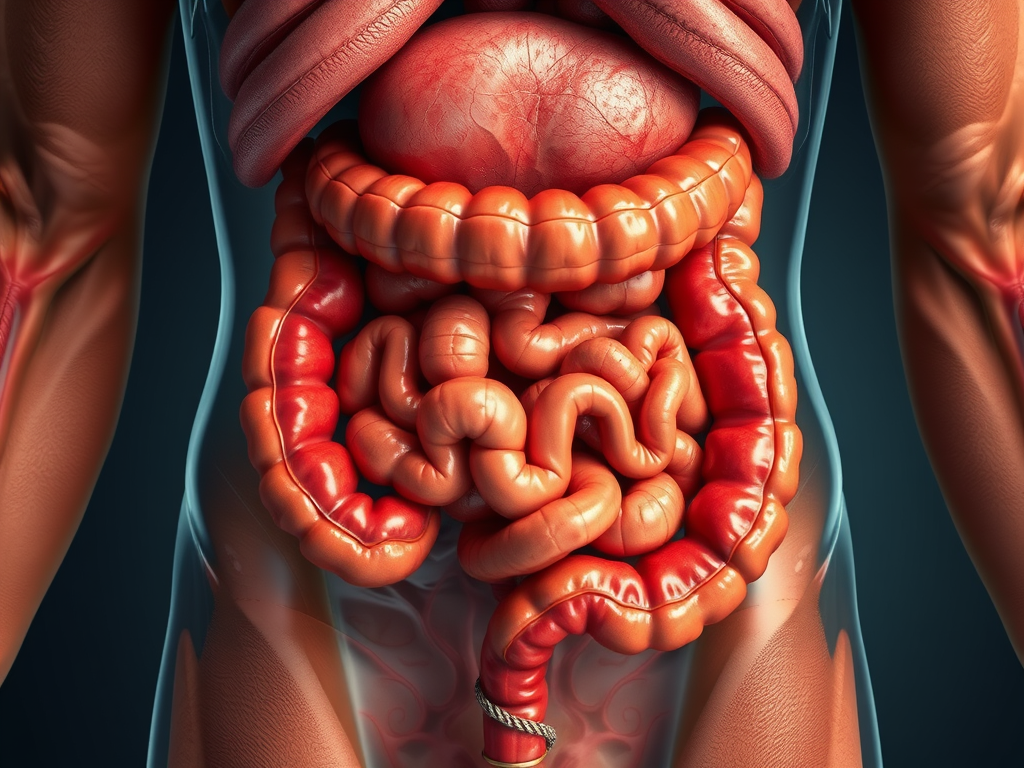
A colonic, also called colon hydrotherapy, is a professional procedure where warm, filtered water is gently introduced into the colon and then released to help flush out waste. It’s done by a trained practitioner using specialized equipment. You’re lying down, covered, and it’s much more clinical and calm than people imagine. It’s not an enema you do at home, and it’s not something you should try to DIY.
The colon’s job is pretty simple. It absorbs water and moves waste out of the body. When everything is working well, you don’t really think about it. But when digestion slows down, hydration drops, or stress stays high for too long, things can back up. That’s when people start feeling bloated, heavy, uncomfortable, or just “off.”
Colonics don’t replace digestion. They don’t detox your liver. They don’t magically fix gut health. What they can do, for some people, is support elimination when the system feels sluggish or overwhelmed. That’s it. Support, not solve.
One thing that surprised me was how much colonics rely on relaxation. The water isn’t forced in. Your body does the releasing. If you’re tense, the session doesn’t work as well. That alone says a lot about digestion in general. Your gut doesn’t love force. It loves safety.
This is also why colonics aren’t for everyone. If digestion is already regular and comfortable, they may not add much. And if someone has certain medical conditions, they may not be appropriate at all. That’s why working with a qualified practitioner and a healthcare provider matters. Colonics should never feel like a shortcut or a requirement.
Here’s the part that really matters though. What you do between colonics is more important than the colonic itself.
Most people who feel drawn to colonics aren’t actually missing water flushing. They’re missing consistency. Hydration. Fiber. Nervous system regulation. And once those pieces are in place, many people don’t feel the need for colonics at all.
One of the simplest daily tools that supports colon health is a toilet stool, like a Squatty Potty. It changes the angle of your hips so elimination is easier and more complete. This isn’t trendy. It’s anatomy. When your body can eliminate fully, waste doesn’t sit around causing pressure or discomfort. This one small change can reduce the feeling that something needs “fixing” later.
Another foundational piece is hydration. The colon absorbs water. If you’re dehydrated, stool becomes harder and slower to move. A large reusable water bottle makes hydration automatic instead of something you have to remember. More water doesn’t mean flushing your system aggressively. It means supporting normal movement.
Fiber is the other big one. Fiber binds waste and helps move it out efficiently. Most people either get too little or try to add too much too fast. For those who struggle to get enough from food, a gentle fiber supplement can help maintain regularity without irritation. Regular bowel movements matter far more than occasional cleansing.
Something that often gets overlooked in these conversations is stress. Chronic stress slows digestion. When your nervous system is stuck in fight-or-flight, elimination is not a priority. That’s why people feel constipated during busy or emotional seasons. Colonics sometimes feel relieving because the environment encourages relaxation. But you don’t need a colonic to work on that. Slower meals, walking, breathing, and eating without distractions all tell your gut it’s safe to move.
It’s also important to say this clearly and responsibly: colonics should not be done frequently or relied on regularly. Overuse can disrupt electrolyte balance and gut flora. If someone feels like they need colonics often just to feel okay, that’s a sign to look deeper at daily habits, diet, stress, and medical factors.
Your gut is incredibly intelligent. It doesn’t need to be forced. It needs to be supported.
What changed my perspective was realizing that colon health isn’t about clearing things out aggressively. It’s about making it easy for your body to do what it’s already designed to do. When hydration is consistent, fiber is adequate, posture supports elimination, and stress is managed, digestion usually follows.
Colonics can be a temporary support for some people during certain phases, but they work best when the basics are already in place. They’re not a lifestyle. They’re not a badge of wellness. They’re a tool, and like any tool, they’re only helpful when used appropriately.
I write about topics like this in my newsletter because people are curious, but they don’t want fear-based health advice or extreme wellness rules. They want grounded explanations and realistic habits that actually fit into life. If that sounds like something you’d enjoy, you’re welcome to sign up. It’s meant to feel like a calm conversation, not a lecture.
So I’ll leave you with this question, because it reframes everything: is your body asking for something dramatic, or is it asking for more consistent support?
Most of the time, it’s the basics that make the biggest difference.
Disclosure: As an Amazon Associate, I may earn from qualifying purchases, but this does not affect my recommendations.I only suggest products I’ve personally vetted.
 Be Inspired..!!
Leave a comment