
What French Kids Eat at School (and Why We’re All Curious About It)
I really appreciate you checking out my blog! Just so you know, some of the links in this post are affiliate links. This means that if you buy something through them, I might earn a little bit of money, at no extra cost to you. There’s absolutely no pressure to buy anything, but if you do, it genuinely helps support the time and love I put into writing these posts.
If you’ve ever paused in the grocery store aisle staring at your kid’s lunchbox contents and wondered, “Is this what everyone else does too?” — you’re not alone. For many Americans, what French kids eat for school lunch feels like a peek into another universe: one where food somehow feels exciting, balanced, and… not just chicken nuggets again. And honestly, once you learn what’s on the weekly menu in French schools, you might find yourself whispering, “Wait… they eat what for lunch?”
Let’s walk through it like friends talking over a cup of coffee.
A lunch that tells a story
French school lunches aren’t an afterthought. They’re a part of education. Serving real food — think fresh vegetables, balanced proteins, and yes, sometimes even cheese — is considered just as important as math or reading.
And this doesn’t happen by accident. Cafeterias are staffed with trained food professionals. Menus are planned weeks in advance. Meals follow rules about variety, seasonality, and nutrition that would make any American parent pause and nod.
I remember the first time I saw a French school lunch menu — not a list of mystery food names, but actual ingredients I recognized, like tomatoes, lentils, salmon, and plain yogurt. No mystery shapes. No hidden sugars whispering from the corner.
What a typical French school lunch looks like
Let’s break it down into a day you might actually recognize:
Starter (Entrée): A simple salad with fresh vegetables — cucumbers, carrots, maybe a bit of corn — dressed lightly with olive oil and vinegar. This isn’t “rabbit food.” It’s a gentle, fresh beginning to the meal.
Main Course: Often lean proteins like fish or chicken, sometimes paired with legumes or grains. French kids might eat lentils with herbs. They might eat a piece of salmon that doesn’t come in a breaded disguise.
Cheese Course: Yes, you read that right. A small portion of cheese — often a mild one like Emmental or a young goat cheese — might appear before dessert. In France, cheese is part of the meal, not a luxury.
Dessert: Something simple and not sugar-loaded — plain yogurt, fresh fruit, or sometimes a light fruit tart. Think fruit first, not candy last.
Bread: Always bread. It’s not a side — it’s part of the meal. A slice of whole grain or baguette accompanies lunch like a friend who never leaves your table.
Why this matters more than we think
Now, before you roll your eyes and say, “Great, but kids won’t eat that,” let’s talk about how this actually works — because French kids do eat this stuff. Not reluctantly. Not with dramatic negotiations.
It helps that meals are served at the table, as a rhythm. Kids are taught from a young age to use utensils properly. They learn patience and manners. They learn to taste. And they learn that food isn’t just fuel — it’s part of community.
Compare that to the rushed, compartmentalized lunches many kids eat in America — where the goal sometimes feels like “get calories in before the bell rings” — and you begin to see why parents across the U.S. stay curious.
What experts say about balanced lunch habits
Nutrition experts often point out that lunches like the French model can help establish lifelong, healthy eating patterns. Putting vegetables and proteins at the center rather than the edge helps kids become familiar with flavors early on. Eating in a structured setting helps kids slow down. And choosing whole foods over processed snacks gives the body nutrients that actually stick with you through the afternoon slump.
That’s not to say there’s no room for fun foods. Of course French kids have treats. But treats aren’t the baseline — they’re just something that happens sometimes. And that subtle shift, experts say, makes a big difference over years.
Bringing a bit of French lunch wisdom home
You don’t need to import a school cafeteria into your kitchen to borrow ideas from this way of eating. Instead, start with small, doable shifts — like putting a plate of raw veggies on the table first, offering fruit as dessert more often, or choosing whole grains instead of chips.
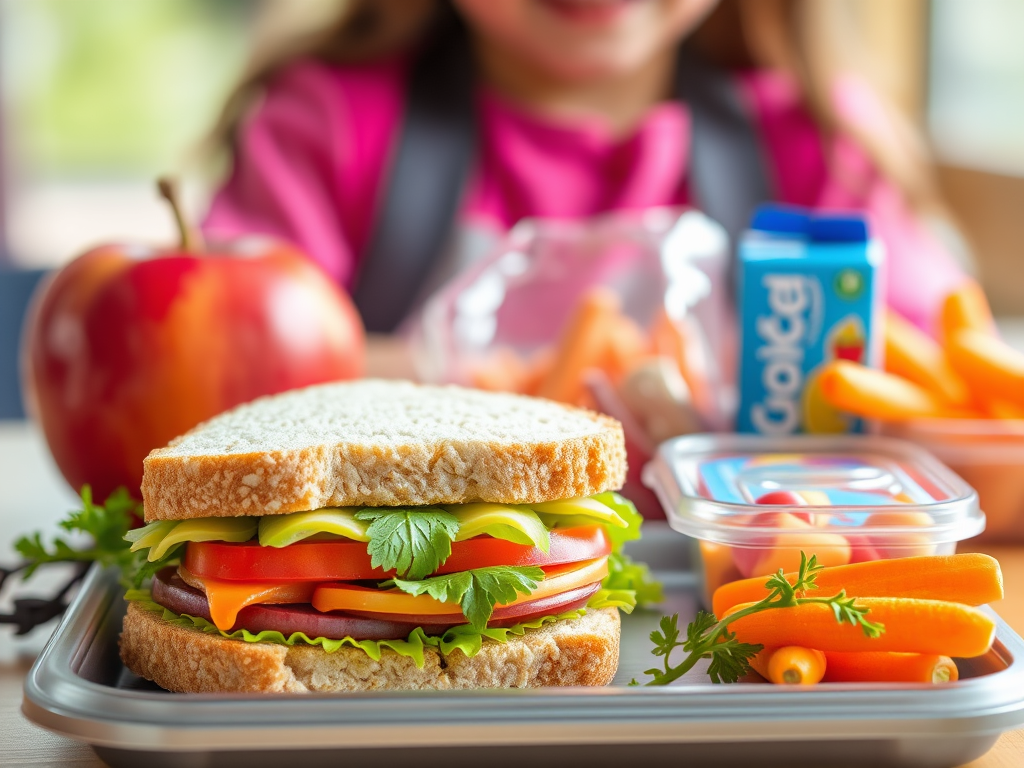
A little kitchen tool can help too. Something like a sturdy bento box from Amazon makes balanced lunches feel fun and organized without extra stress. (I’m thinking something with compartments big enough for veggies, protein, and fruit.) Another simple helper is a compact insulated lunch cooler — it keeps fresh food at the right temp so fruits and salads actually stay crisp by lunchtime.
And if you like meal planning, a reusable meal planner board/calendar can help you map balanced lunches for the week without reinventing the wheel.
These tools aren’t magic, but they make thoughtful meals easier — and once your kid sees their lunch look a little more like “real food,” the resistance sometimes melts away.
A note on culture (the part that’s not just food)
Here’s something interesting: French school lunches aren’t just about what’s on the plate. They’re about how it’s served and experienced. Kids eat longer lunches. They sit with adults. They’re taught that food is part of pleasure, part of learning, part of a day — not just an obligation.
This kind of environment helps kids form a healthy relationship with food. Instead of eating fast to rush back to play, they learn to slow down, taste, chew, and talk. That matters. Big time.
Connecting the dots for American families
Now, I know not every school is going to suddenly serve lentils and goat cheese for lunch (though honestly, wouldn’t that be something?), and I’m not saying American lunches are doomed. What I am saying is that we can take inspiration from what works — simplicity, quality, freshness, structure — and adapt it to our lives without judgment.
It doesn’t have to be perfect. It just has to be thoughtful.
If you want simple, relatable ideas for lunches, snacks, and kid-friendly meals that don’t feel like a battle — that’s exactly what I share in my newsletter. Stuff that respects real schedules, real appetites, and real budgets.
No judgment. No overwhelm. Just practical, human guidance, like a friend passing along a tip that actually works.
Now I want to hear from you
What’s the weirdest or most surprising thing you’ve ever packed in a lunchbox — for your kid, yourself, or even just a friend? And more importantly… did they eat it?
Because I have a feeling the stories you have are as good as the lunch ideas.
Disclosure: As an Amazon Associate, I may earn from qualifying purchases, but this does not affect my recommendations.I only suggest products I’ve personally vetted.
 Be Inspired..!!
Leave a comment