
After years of trial and error, here’s what actually helped my tired-looking eyes look alive again
I really appreciate you checking out my blog! Just so you know, some of the links in this post are affiliate links. This means that if you buy something through them, I might earn a little bit of money, at no extra cost to you. There’s absolutely no pressure to buy anything, but if you do, it genuinely helps support the time and love I put into writing these posts.
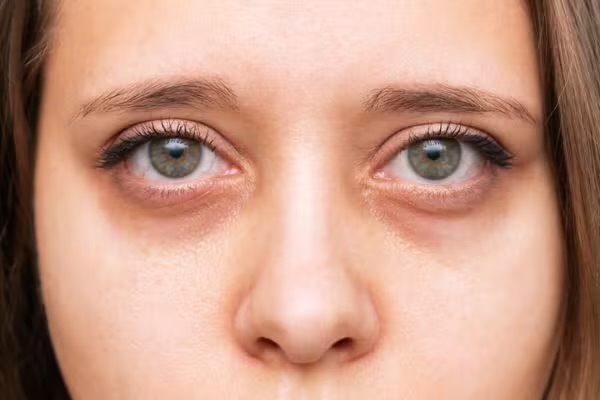
There’s a very specific frustration that comes from looking in the mirror and thinking, I don’t feel this tired.
You slept okay. You drank water. You even tried to go to bed earlier this week. And yet your eyes still look puffy, shadowed, or just… flat.
For a long time, I assumed this was just “getting older” or “being busy.” I tried covering it up, ignoring it, blaming my screen time, and occasionally convincing myself it wasn’t that noticeable.
But tired-looking eyes have a way of showing up in photos, in meetings, in random reflections you weren’t prepared for. And after enough failed attempts at fixing it, I decided to approach it differently.
Not dramatically. Just practically.
And that’s when things finally started to shift.
Why eyes look tired (even when you’re not)
Before changing anything, I had to understand what I was actually seeing.
“Tired eyes” usually come down to a few things:
• mild puffiness from fluid retention
• dark circles caused by thin under-eye skin
• dehydration
• screen strain
• lack of circulation
Sometimes it’s sleep.
Sometimes it’s stress.
Sometimes it’s just genetics doing what genetics do.
The mistake I kept making was looking for one magic product to solve everything.
There isn’t one.
But there is a combination that works better than random guessing.
The first shift: treating puffiness like circulation, not a flaw
I used to think under-eye puffiness meant I needed stronger creams. Something expensive. Something labeled “clinical.”
What actually helped more was improving circulation.
That’s where something simple like a stainless steel eye roller (the kind you can keep in the fridge) made a noticeable difference. It sounds basic, but the cooling effect reduces temporary swelling and helps wake up the area almost instantly.
I started using it in the morning while coffee brewed, just gently rolling from the inner corner outward. It didn’t erase everything, but it made my eyes look more alert within minutes.
It felt less like covering up and more like resetting.
The second shift: hydration, but make it strategic
I had plenty of eye creams over the years. Some were thick. Some were fancy. Some were overpriced experiments I pretended were investments.
What I learned is that under-eye skin is thin, and it mostly needs hydration and barrier support—not harsh active ingredients.
A lightweight hyaluronic acid eye cream made more difference than heavy anti-aging formulas. Hyaluronic acid pulls moisture into the skin, which plumps the area just enough to soften fine lines and reduce that hollow, shadowy look.
The key was consistency.
Not once a week.
Not when I remembered.
Daily. Morning and night.
And instead of rubbing it in quickly, I started tapping it gently. That small change alone reduced irritation.
The third shift: screen strain is real
I underestimated how much digital fatigue was affecting my eyes.
After long stretches of screen time, my eyes didn’t just feel tired—they looked it. Slight redness. Dullness. That unfocused stare that says, “I’ve been on Zoom too long.”
This is where something unexpected helped: a simple heated eye mask.
Using it at night for 10–15 minutes felt like a reset button. The warmth increased circulation and helped relax the tiny muscles around the eyes.
It didn’t feel like a beauty step. It felt like stress relief.
And better relaxation often meant better sleep, which meant less puffiness the next morning.
What didn’t work (and why that matters)
I tried:
• over-layering concealer
• strong retinol too close to the eye area
• random DIY hacks from social media
Most of them either irritated my skin or created more dryness.
What finally worked wasn’t dramatic. It was gentle and consistent.
That was hard to accept at first. We’re used to dramatic transformations. But tired-looking eyes usually improve through small habits repeated over time.
The mental part no one talks about
There’s also something psychological about tired eyes.
When your eyes look worn out, you start to feel worn out. Even if you’re not.
And when they look brighter—even slightly—it shifts how you carry yourself. You make more eye contact. You feel more awake. It’s subtle but real.
That’s why this isn’t just about vanity. It’s about how we feel in our own skin.
A quick reality check
No product erases genetics. No cream changes bone structure. And no roller replaces actual sleep.
But small improvements add up.
Better hydration.
Gentle circulation support.
Less strain.
More intentional care.
Those things create a noticeable difference without chasing perfection.
A quiet invitation (if this resonates)
I started writing about topics like this because I got tired of extreme advice. Either it was “just accept it” or “buy this miracle product.”
There’s usually a middle ground.
That’s what my newsletter is about—practical health and wellness insights without hype or pressure. If you enjoy conversations like this, you’d probably like it. You can join anytime. It’s meant to feel helpful, not overwhelming.
Why this works long-term
What changed everything wasn’t one product. It was understanding the problem clearly and responding gently.
Cold tools for puffiness.
Hydration for thin skin.
Heat for tension.
Sleep for everything.
And maybe the biggest shift was letting go of the idea that tired-looking eyes meant something was wrong.
Sometimes they just mean you’ve been living.
Still, if a few small habits help you look how you feel inside—more awake, more present—that’s worth exploring.
So now I’m curious.
What’s the one thing you’ve tried for tired eyes that actually helped—or totally flopped?
Disclosure: As an Amazon Associate, I may earn from qualifying purchases, but this does not affect my recommendations.I only suggest products I’ve personally vetted.
 Be Inspired..!!
Leave a comment