
What “Heated Rivalry” reminded me about fantasy, feelings, and why stories still matter
I really appreciate you checking out my blog! Just so you know, some of the links in this post are affiliate links. This means that if you buy something through them, I might earn a little bit of money, at no extra cost to you. There’s absolutely no pressure to buy anything, but if you do, it genuinely helps support the time and love I put into writing these posts.
There’s a certain look people give when you say you’re reading a romance novel.
It’s subtle. A small smile. A raised eyebrow. Sometimes a joke about “spicy books.” As if romance exists in this strange cultural corner where it’s wildly popular but still slightly dismissed.
And yet, romance novels consistently top bestseller lists. People devour them. Recommend them in group chats. Stay up too late finishing “just one more chapter.”
So what’s really going on here?
Recently, I picked up Heated Rivalry by Rachel Reid—the kind of book that sits confidently in the sports romance category and doesn’t apologize for it. On the surface, it’s about two rival hockey players. Competitive. Intense. A little dramatic. But underneath that? It’s about vulnerability, secrecy, longing, and the slow burn of connection.
And that’s when it clicked for me.
Romance isn’t just about fantasy.
It’s about emotional rehearsal.
Why we keep coming back to romance novels
There’s something incredibly grounding about knowing how a story will end.
In romance, there’s an unspoken promise: it will work out. However messy, complicated, or chaotic the journey, the ending offers emotional safety.
That matters more than we admit.
In real life, relationships are uncertain. Timing is off. Feelings are mismatched. Communication fails. But in romance novels, effort leads somewhere. Longing resolves. Walls come down.
That predictability isn’t boring. It’s comforting.
And comfort has value.
“Heated Rivalry” and the slow burn effect
Heated Rivalry works because it leans into tension. Rival athletes. Public personas. Private emotions. Years of unresolved chemistry. It stretches out the space between what the characters feel and what they’re willing to admit.
That’s what makes it compelling.
Not just the physical attraction.
The restraint.
The stolen moments.
The conversations that almost happen.
It mirrors something very real about human connection—the fear of being seen fully and the relief when you finally are.
That’s fantasy, yes. But it’s also emotional truth.
Why fantasy isn’t shallow
There’s this idea that fantasy in books—especially romantic fantasy—is escapism in the worst sense. That it pulls us away from reality.
I see it differently.
Fantasy gives us space to explore desire, hope, and vulnerability without personal risk. It lets us imagine being chosen, understood, pursued. It gives us language for feelings we might not express out loud.
And in a world that often feels heavy, that kind of space isn’t indulgent. It’s restorative.
Reading romance doesn’t mean you’re dissatisfied with real life. It means you’re human enough to enjoy emotional intensity in a controlled setting.
The emotional intelligence of romance readers
People who read romance a lot tend to pick up on subtle cues. They notice tension shifts. They understand character motivations. They analyze miscommunication like it’s a sport.
That’s not accidental.
Romance novels revolve around emotional dynamics. Power. Vulnerability. Timing. Trust.
When you read enough of them, you start recognizing patterns—not just in books, but in life.
That’s part of why I think romance deserves more credit.
The ritual matters too
There’s also something about how we read romance.
Curled up in bed.
On a plane.
During quiet weekends.
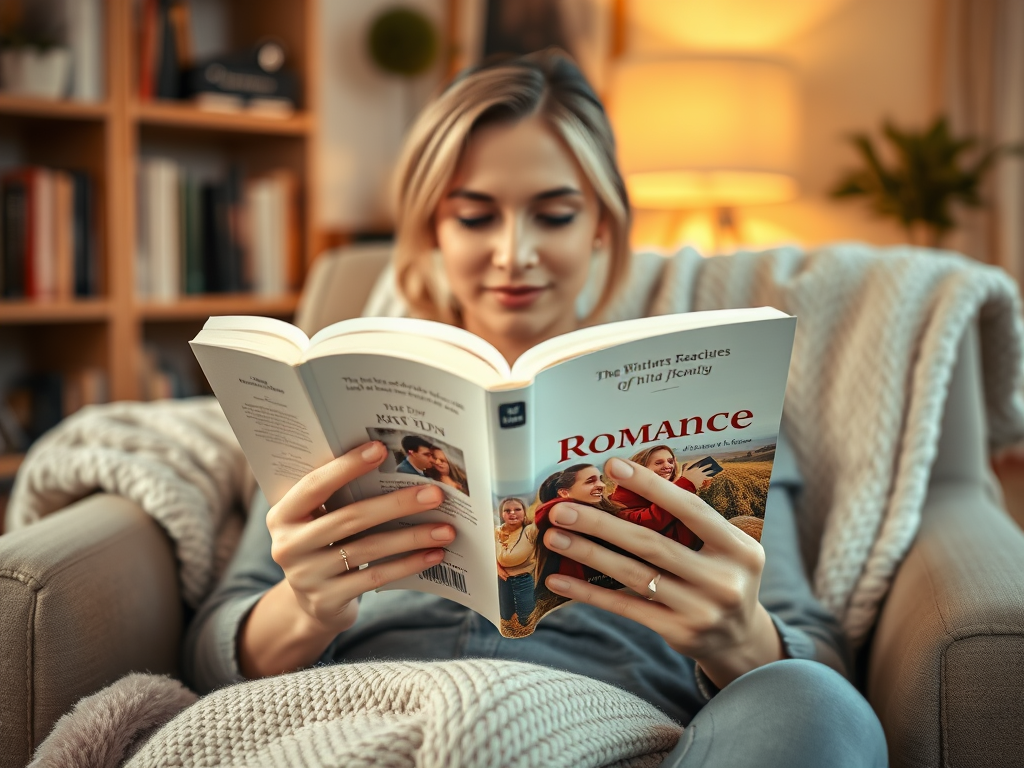
Sometimes with a physical copy of a favorite like Heated Rivalry in paperback. Sometimes on a Kindle. Sometimes with a soft throw blanket and a cup of tea nearby.
The ritual turns reading into permission. Permission to slow down. Permission to feel something fully without multitasking.
If you’ve ever ordered a well-loved romance novel from Amazon just because you wanted it in your hands instead of on a screen, you know what I mean.
Fantasy as emotional practice
One thing I’ve noticed is that romance often centers around characters learning how to communicate. To apologize. To admit fear. To say “I need you.”
Those moments matter.
They normalize vulnerability. They show that strength and softness can coexist. They remind us that conflict doesn’t automatically mean ending.
In that way, fantasy becomes rehearsal.
We imagine better conversations. Healthier dynamics. Clearer boundaries.
And then sometimes, we bring a piece of that clarity into our real lives.
Why “Heated Rivalry” resonates beyond the trope
On paper, a hockey romance might not sound universal.
But rivalry isn’t really about sports. It’s about tension. It’s about wanting something you’re not sure you’re allowed to have. It’s about identity and expectations.
That’s relatable.
We’ve all experienced some version of hiding part of ourselves to maintain an image. We’ve all felt the push and pull between ambition and intimacy.
That’s why stories like this stick.
Not because they’re dramatic.
Because they’re honest in a heightened way.
The quiet power of choosing joy
Reading romance is a choice.
You’re choosing a story that prioritizes connection. You’re choosing hope as a narrative arc. You’re choosing to believe that people can grow and meet each other halfway.
In a culture that often leans cynical, that choice feels quietly rebellious.
And I think we underestimate how much that matters.
A small invitation (if you’re into this kind of conversation)
I started writing more about books, health, and the way stories shape us because I wanted space to explore ideas without rushing them.
That’s part of why I launched my newsletter. It’s where I unpack topics like this—why certain stories resonate, what trends say about us, and how culture shifts quietly in the background.
If this kind of reflection feels interesting to you, you’re welcome to join. It’s meant to feel thoughtful, not overwhelming.
Why romance novels aren’t going anywhere
Romance novels have survived every cultural shift because they tap into something consistent: the need to feel seen and chosen.
Trends change. Tropes evolve. But the core remains the same.
Connection matters.
Fantasy matters.
And sometimes, staying up too late reading about fictional characters figuring it out reminds us that we’re still figuring it out too.
So now I’m curious.
When was the last time a romance novel surprised you—and did it change how you thought about anything outside the page?
Disclosure: As an Amazon Associate, I may earn from qualifying purchases, but this does not affect my recommendations.I only suggest products I’ve personally vetted.
 Be Inspired..!!
Leave a comment