
How to Choose the Best Milk for Your Body (and the Planet) Without Losing Your Mind
I really appreciate you checking out my blog! Just so you know, some of the links in this post are affiliate links. This means that if you buy something through them, I might earn a little bit of money, at no extra cost to you. There’s absolutely no pressure to buy anything, but if you do, it genuinely helps support the time and love I put into writing these posts.
Walk into any American grocery store today and you’ll see something funny.
The milk section used to be simple. Whole milk, 2%, skim. Maybe chocolate milk if you were feeling fancy.
Now it’s a full identity crisis.
Almond milk. Oat milk. Soy milk. Coconut milk. Pea milk. Cashew milk. Lactose-free milk. Grass-fed milk. Organic milk.
At some point you’re standing there holding a carton thinking, Which milk is actually best for my body… and the planet?
If you’ve searched “best milk for health,” “most sustainable milk,” or “is oat milk better than dairy,” you’re definitely not alone.
Let’s break this down in a way that actually makes sense.
First: There Is No Perfect Milk
I wish there were.
But the best milk for your body depends on three things:
1. Your digestion
2. Your nutrition needs
3. Your environmental priorities
So instead of chasing the “perfect” milk, the goal is choosing the one that fits your life best.
Let’s talk about the main options.
Dairy Milk: Still Nutritionally Powerful
Cow’s milk gets a lot of criticism lately, but nutritionally it’s still strong.
It naturally contains:
• Complete protein
• Calcium
• Vitamin B12
• Potassium
For people who tolerate lactose well, dairy milk can be a simple, nutrient-dense option.
But digestion is the big issue.
Many adults produce less lactase (the enzyme that breaks down lactose). That’s why some people feel bloated or uncomfortable after drinking dairy.
If you tolerate dairy well, choosing grass-fed or organic milk often reduces exposure to antibiotics and supports better farming practices.
But environmentally, dairy has a higher carbon footprint than most plant milks.
That’s the trade-off.
Almond Milk: Low Calories, But Environmental Questions
Almond milk became popular because it’s light, mild, and low in calories.
But nutritionally, it’s not very dense unless fortified.
Most almond milks contain:
• Very little protein
• Added vitamins and minerals
• Mostly water
The bigger conversation is water usage.
Almond farming requires large amounts of water, particularly in drought-prone regions like California.
So while almond milk is dairy-free and light, it’s not always the most sustainable choice.
That doesn’t mean you need to avoid it entirely.
It just means being aware.
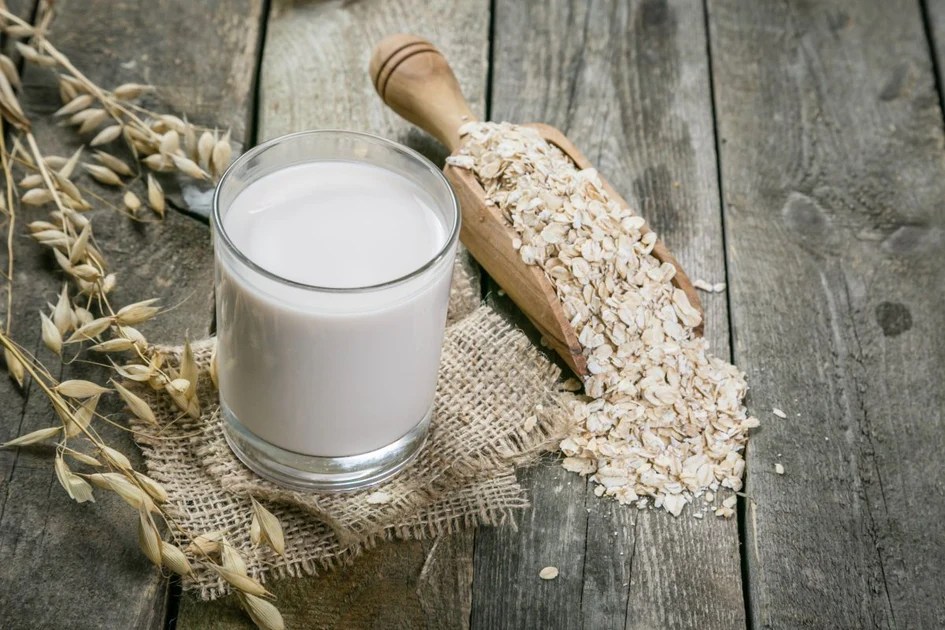
Oat Milk: The Rising Favorite
Oat milk exploded in popularity for a reason.
It’s creamy. It froths well in coffee. And environmentally it’s considered one of the more sustainable plant milks.
Oats require less water than almonds and generally have a lower environmental impact than dairy.
Nutritionally, oat milk usually contains:
• Moderate carbohydrates
• Added calcium and vitamins
• Small amounts of protein
The downside?
Some brands add oils or sugars to improve texture.
Reading labels matters here.
Soy Milk: The Underrated Option
Soy milk might actually be the most balanced plant-based option nutritionally.
It contains:
• High-quality plant protein
• Naturally occurring nutrients
• A lower environmental footprint than dairy
But soy has suffered from reputation issues due to confusion around phytoestrogens.
Most research shows moderate soy intake is safe for the majority of people.
In fact, soy milk often comes closest to dairy milk nutritionally among plant options.
The Planet Side of the Equation
When it comes to sustainability, studies generally show:
• Dairy milk → highest greenhouse gas emissions
• Almond milk → high water use
• Oat milk → relatively low environmental impact
• Soy milk → also relatively efficient
No food is impact-free.
But small choices across millions of people do add up.
A Simple Way to Think About It
Instead of obsessing over the “perfect” milk, try this mindset.
If dairy works for your body and you buy it occasionally — great.
If you prefer oat milk for coffee — great.
If soy milk fits your nutrition goals — also great.
Health is rarely about one food choice.
It’s about patterns.
The At-Home Option Most People Forget
One thing people rarely consider is making plant milk at home.
It sounds complicated, but it’s actually simple.
Using a ChefWave Milkmade Plant-Based Milk Maker or even a basic blender, you can make oat, almond, or cashew milk in minutes.
The benefits?
• Fewer additives
• Lower packaging waste
• Full control over ingredients
If you prefer convenience, a high-powered blender like the Vitamix E310 Explorian Blender makes homemade nut milk extremely easy.
Blend, strain, done.
Sometimes the healthiest option is the least processed one.
The Gut Health Factor
One thing I’ve noticed when people switch milks is how digestion changes.
Some people feel better without dairy. Others actually digest dairy perfectly and struggle with gums and additives in plant milks.
Listening to your body matters more than following trends.
Your gut usually tells the truth faster than the internet.
A Balanced Take
So which milk is best?
Here’s the honest answer:
• Best for protein: Dairy or soy
• Best for sustainability: Oat or soy
• Best for low calories: Almond
• Best for simplicity: Homemade
None of these are perfect.
And they don’t have to be.
Your goal isn’t perfection.
It’s awareness.
Why This Conversation Matters
Food choices today are connected to something bigger.
Your health.
The environment.
The food system itself.
But that doesn’t mean you need to stress over every grocery decision.
Small shifts matter.
Choosing a different milk sometimes is already a step.
Let’s Keep This Real
If conversations like this interest you — practical health choices, environmental awareness, and realistic nutrition — I talk about these topics more in my newsletter.
I started it because I wanted a space where health conversations feel grounded instead of extreme.
No guilt. No food shaming. Just curiosity about how our daily choices affect our bodies and the planet.
If that sounds like something you’d enjoy, you’re welcome to join us.
Now I’m curious.
When you open your fridge, what milk do you reach for first?
And do you choose it for taste… health… or habit?
Sometimes the smallest daily decisions say the most about how we live.
Disclosure: As an Amazon Associate, I may earn from qualifying purchases, but this does not affect my recommendations.I only suggest products I’ve personally vetted.
 Be Inspired..!!
Leave a comment