
What happens when you Google “do I have mold in my house?”
I really appreciate you checking out my blog! Just so you know, some of the links in this post are affiliate links. This means that if you buy something through them, I might earn a little bit of money, at no extra cost to you. There’s absolutely no pressure to buy anything, but if you do, it genuinely helps support the time and love I put into writing these posts.
There’s a moment almost everyone has had.
You notice a strange smell in the basement. Or maybe a dark spot near the bathroom ceiling. Suddenly you’re wondering if it’s just dirt… or something worse.
So naturally you do what most of us do.
You open Google and type: “How to test for mold at home.”
Within seconds you’re looking at dozens of at-home mold testing kits promising fast answers and peace of mind.
And that leads to the big question.
Do these kits actually work?
Let’s talk about it in a very real, practical way.
The Appeal of At-Home Mold Test Kits
I completely understand why these kits are popular.
They’re cheap, simple, and easy to buy online.
Most kits cost somewhere between $10 and $50, and they usually include a petri dish or swab to collect mold samples around your house.
The basic idea is straightforward:
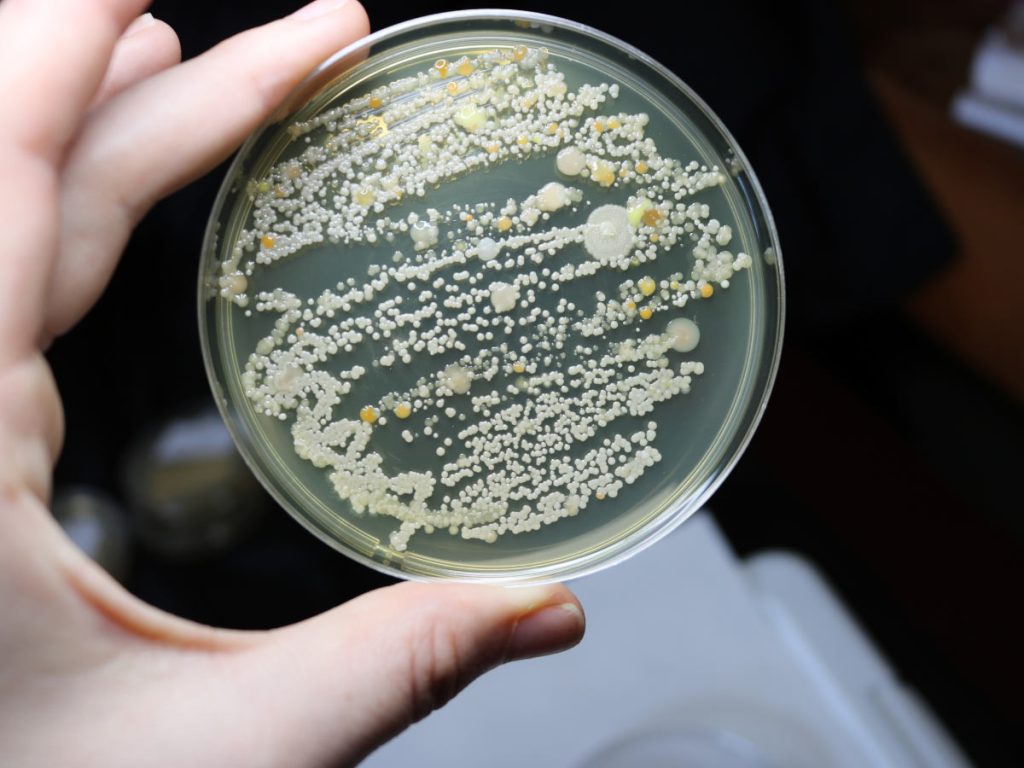
You place the dish in a room or swab a surface, wait a few days, and see if mold grows.
Some kits even allow you to send the sample to a lab to identify the mold species.
For example:
Kayenqo DIY Mold Test Kit for Home
This type of kit includes several test plates and a swab so you can check different rooms and send samples for analysis if needed.
On paper, it sounds like a great solution.
Quick answers. Low cost. No professional inspection required.
But the reality is a little more complicated.
The Problem Nobody Talks About
Here’s the tricky part.
Mold spores are everywhere.
Even in clean homes.
Which means if you leave a petri dish sitting out for a few days, something will probably grow.
That doesn’t necessarily mean you have a serious mold problem.
It just means mold exists in the air.
And that’s completely normal.
This is one reason experts often warn that DIY mold kits can be misleading.
Without professional sampling techniques and comparison measurements, the results can be hard to interpret.
In other words…
The test might tell you mold exists, but not whether it’s actually a problem.
Another Issue: Sampling Errors
Most home mold kits rely on passive sampling.
That means you simply expose a plate or swab and hope it collects spores.
But mold levels change constantly depending on:
• airflow
• humidity
• time of day
• activity in the house
Because of this, results can vary widely and may not accurately reflect real exposure levels.
Professionals often use calibrated air pumps and outdoor comparison samples to get meaningful data.
DIY kits usually don’t include that level of testing.
So while they can detect mold spores, they may not tell the full story.
When DIY Kits Actually Help
That said, these kits aren’t completely useless.
They can be helpful in one situation:
When you want a basic screening tool.
For example, maybe you suspect mold in a room but can’t see anything.
A kit might help confirm whether spores are present in higher amounts in that area.
Some kits also include multiple testing methods.
For instance:
MOLD ARMOR Do It Yourself Mold Test Kit
This type of kit can test indoor air, HVAC systems, or visible surface mold and may show results within about 48 hours.
So they can provide a starting point.
Just not a final diagnosis.
The Big Limitation
Here’s the biggest issue with at-home testing kits.
They rarely answer the most important question:
Where is the mold coming from?
Even if a test confirms mold spores are present, it doesn’t identify:
• the source of moisture
• the size of the hidden growth
• whether the mold is active or dormant
Professional inspectors don’t just test the air.
They examine ventilation, humidity levels, leaks, and building materials to find the root cause.
DIY kits simply can’t do that.
And that’s why many experts recommend professional inspection if you suspect a serious mold problem.
Signs You Might Actually Need Mold Testing
Sometimes you don’t need a test kit at all.
If mold is clearly visible, testing isn’t necessary.
You already know it’s there.
Instead, professionals recommend addressing the moisture source and removing the mold properly.
But if you’re unsure, these signs might justify further investigation:
• persistent musty smell
• unexplained allergy symptoms
• water damage or leaks
• recurring mold spots
In those cases, a test kit can help you decide whether to investigate further.
The Emotional Side of Mold Anxiety
Here’s something nobody talks about enough.
Once you start worrying about mold, it’s easy to spiral.
Every smell suddenly feels suspicious.
Every dark corner becomes a potential hazard.
I’ve seen people go down full internet rabbit holes over this.
And honestly, sometimes the stress ends up being worse than the actual mold.
That’s why it’s helpful to approach this calmly.
Mold issues are common and fixable.
The key is identifying moisture problems early.
The Real Mold Prevention Strategy
Instead of relying only on testing kits, most experts recommend focusing on prevention.
A few simple habits make a huge difference:
• keeping indoor humidity below 50%
• fixing leaks quickly
• using bathroom exhaust fans
• improving ventilation
These steps prevent the conditions mold needs to grow in the first place.
And prevention is always easier than remediation.
A Quick Reality Check
So do at-home mold test kits work?
Yes… but only to a point.
They can show that mold spores exist in a space.
But they usually can’t tell you:
• how serious the issue is
• where the mold is hiding
• what to do about it
Think of them like a smoke alarm for mold concerns.
Helpful for awareness.
But not a full inspection.
Why I Like Talking About This Stuff
I started my newsletter because I’m fascinated by everyday health mysteries like this.
Things that sound small but affect how we feel in our homes and bodies.
Topics like:
• indoor air quality
• gut health
• sleep
• stress
• environmental wellness
No complicated science lectures.
Just practical conversations about how everyday habits shape our health.
If that kind of thing interests you, you’d probably enjoy being part of that space.
Before you go, I’m curious about something.
Have you ever found something in your house that made you suddenly wonder “how long has that been there?”
Because honestly… that moment seems to be how most mold investigations start.
Disclosure: As an Amazon Associate, I may earn from qualifying purchases, but this does not affect my recommendations.I only suggest products I’ve personally vetted.
 Be Inspired..!!
Leave a comment