
The science of real optimism and why forced positivity sometimes backfires
I really appreciate you checking out my blog! Just so you know, some of the links in this post are affiliate links. This means that if you buy something through them, I might earn a little bit of money, at no extra cost to you. There’s absolutely no pressure to buy anything, but if you do, it genuinely helps support the time and love I put into writing these posts.
If you’ve spent any time on the internet, you’ve probably heard the same advice over and over again.
“Just stay positive.”
“Everything happens for a reason.”
“Good vibes only.”
At first, it sounds helpful.
But if we’re being honest, sometimes those phrases feel a little exhausting.
Because real life isn’t always sunshine and motivational quotes.
Some days are messy. Some days are confusing. Some days you’re just trying to get through the afternoon without overthinking everything.
And here’s the surprising part.
Science actually shows that forced positivity can sometimes make things worse.
Real optimism works very differently.
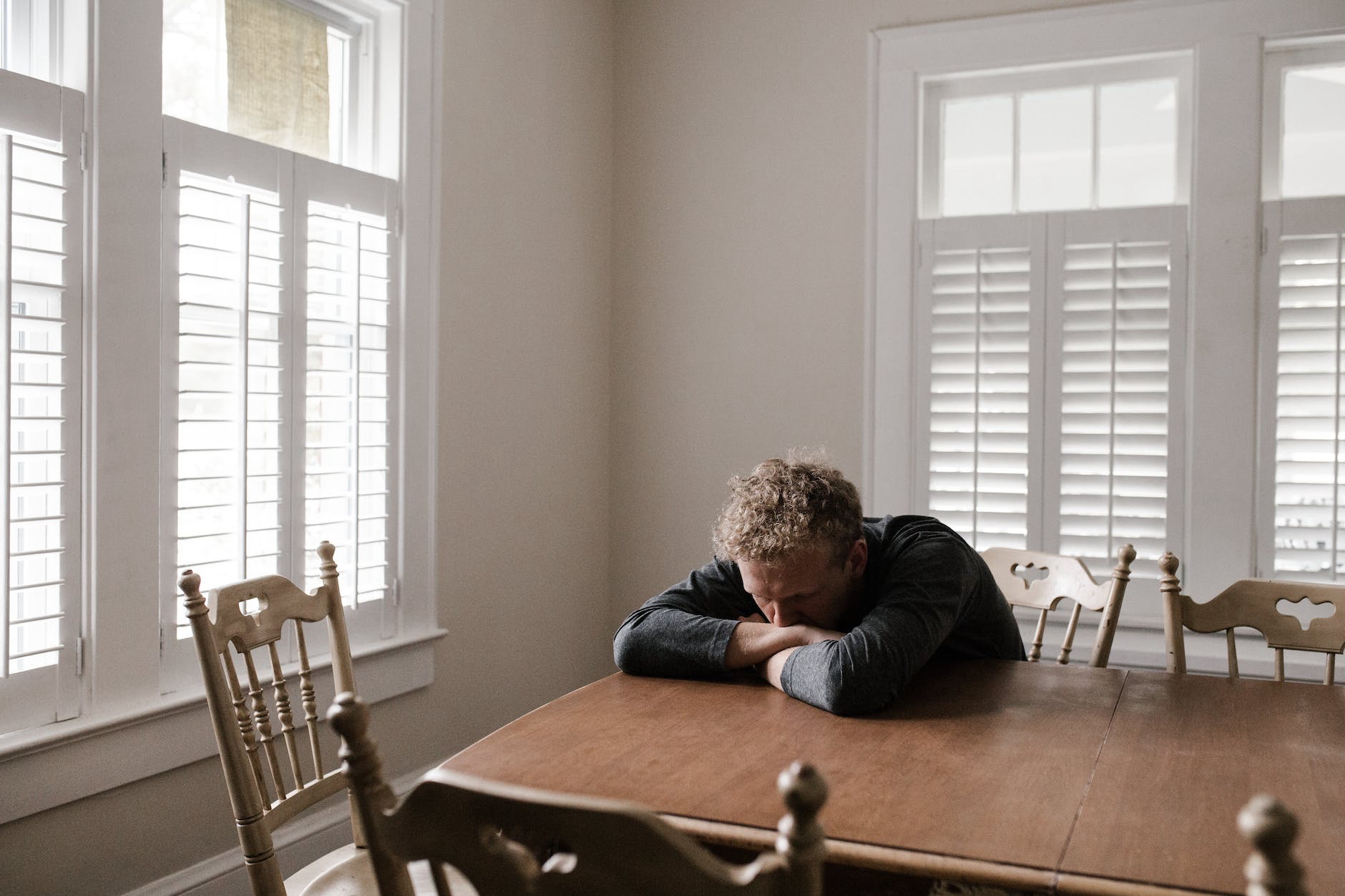
The Problem With “Toxic Positivity”
Psychologists have a name for the constant pressure to stay upbeat.
They call it toxic positivity.
It happens when people try to push away difficult emotions by pretending everything is fine.
But emotions don’t really work like that.
Ignoring stress, disappointment, or frustration doesn’t remove them. It usually just pushes them deeper.
Researchers at Stanford and Harvard have found that suppressing emotions can increase stress levels and mental fatigue.
In other words, telling yourself “I shouldn’t feel this way” often makes the feeling stronger.
Real optimism doesn’t deny problems.
It acknowledges them and still believes improvement is possible.
What Real Optimism Actually Looks Like
The science of optimism has been studied for decades.
One of the most famous researchers in this field is psychologist Martin Seligman, who helped develop positive psychology.
His research shows that optimistic people don’t blindly assume everything will work out.
Instead, they tend to think in a very specific way.
When something goes wrong, they see it as:
• Temporary
• Specific to the situation
• Something that can change
For example:
Instead of thinking,
“Everything in my life is falling apart,”
An optimistic thinker might say,
“This situation is tough, but it’s one part of my life and it can improve.”
That small shift changes how the brain responds to stress.
Your Brain Loves Realistic Hope
The brain reacts strongly to expectations.
If we believe nothing will improve, motivation drops quickly.
But if we believe change is possible—even if things are difficult—the brain releases dopamine, which helps drive action and problem-solving.
That’s why realistic optimism works better than fake positivity.
It keeps you engaged with reality while still allowing your brain to search for solutions.
A Simple Habit That Helps
One thing that helps people practice realistic optimism is writing down thoughts instead of letting them swirl endlessly.
I’ve noticed that when thoughts stay in your head, they often grow bigger than they actually are.
But when you write them down, they suddenly become easier to understand.
Many psychologists recommend structured journaling for this reason.
Something simple like the Intelligent Change “The Five Minute Journal” helps people reflect on both challenges and small wins.
It’s not about pretending life is perfect.
It’s about seeing the full picture.
Why Positivity Can Actually Hold You Back
Here’s the interesting part.
When people believe they must always stay positive, they sometimes avoid taking action.
Because admitting a problem feels like “being negative.”
But acknowledging problems is actually the first step toward fixing them.
For example:
If someone constantly tells themselves,
“Everything is fine,”
They might ignore signals like burnout, poor sleep, or chronic stress.
Real optimism says something different.
It says:
“This situation isn’t great right now, but I’m capable of improving it.”
That mindset leads to action.
The Power of Small Wins
Another interesting discovery in psychology research is the power of small wins.
Large goals can feel overwhelming.
But when people focus on manageable steps, progress becomes visible.
This is where something simple like a habit tracker can help.
A tool like the Legend Planner Weekly Habit Tracker helps people see small improvements day by day.
And seeing progress—even tiny progress—strengthens motivation.
The brain loves evidence that change is happening.
Real Optimists Still Feel Everything
One misconception about optimistic people is that they’re always cheerful.
That’s not actually true.
Optimistic people still feel disappointment, frustration, sadness, and uncertainty.
The difference is that they don’t see those emotions as permanent.
They see them as part of the process.
Think about athletes.
Even elite performers experience setbacks.
But they interpret setbacks as feedback rather than personal failure.
That interpretation shapes resilience.
Optimism and Physical Health
Interestingly, optimism isn’t just about mood.
It also affects physical health.
Research published in JAMA Network Open found that optimistic individuals tend to live longer and have lower risks of cardiovascular disease.
Scientists believe this happens partly because optimism encourages healthier behaviors.
People who believe improvement is possible are more likely to exercise, seek medical care, and stick to healthy habits.
So optimism isn’t just emotional.
It’s behavioral.
The Difference Between Hope and Denial
Here’s a simple way to think about it.
Denial says:
“Nothing is wrong.”
Toxic positivity says:
“Everything is amazing.”
Real optimism says:
“Things are difficult right now, but I can handle them.”
That middle ground is where resilience lives.
Why Conversations About Mental Health Matter
One reason I enjoy writing about topics like this is because most people are navigating these ideas quietly.
Everyone is figuring out how to deal with stress, uncertainty, and expectations.
We rarely talk about how confusing that process can be.
That’s actually one of the reasons I started my newsletter.
It’s a space where I share practical ideas about:
• mental clarity
• realistic optimism
• everyday wellness habits
• simple ways to improve daily life
Nothing extreme. Nothing unrealistic.
Just honest conversations about what helps people feel a little more grounded.
If that sounds interesting, you’d probably enjoy joining the community there.
Before you go, I’m curious about something.
Do you think the constant pressure to “stay positive” actually helps people…
or do you think honest optimism is what really makes a difference?
Disclosure: As an Amazon Associate, I may earn from qualifying purchases, but this does not affect my recommendations.I only suggest products I’ve personally vetted.
 Be Inspired..!!
Leave a comment