
Why science says one orange a day might help your mood, your immune system, and your Monday mornings
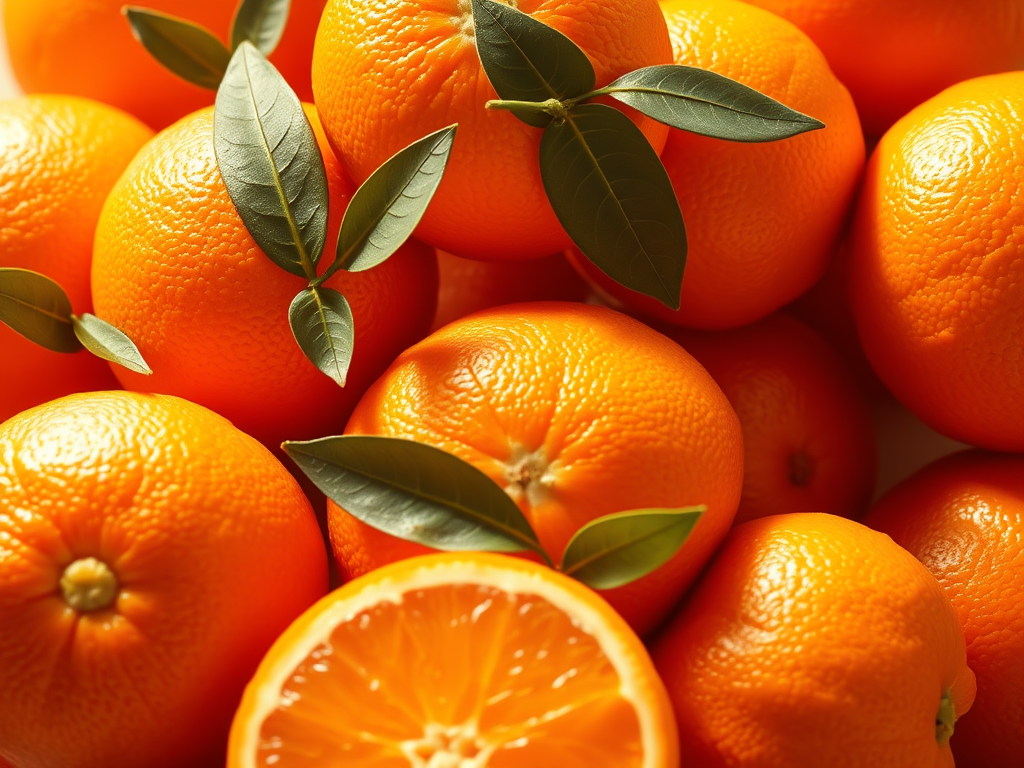
I really appreciate you checking out my blog! Just so you know, some of the links in this post are affiliate links. This means that if you buy something through them, I might earn a little bit of money, at no extra cost to you. There’s absolutely no pressure to buy anything, but if you do, it genuinely helps support the time and love I put into writing these posts.
I used to think oranges were just… fine.
Not exciting. Not dramatic. Not the kind of food you write home about.
They were the fruit you grabbed when nothing else looked good, the thing that rolled around in the bottom of your grocery bag, the polite choice when apples felt boring and bananas were already bruised.
Then I started seeing the research.
And suddenly, oranges went from “meh” to “wait, how is this not front-page news?”
Because science is quietly telling us something kind of wild: eating an orange a day may help lower the risk of depression and help protect against common infections like the flu.
Not cure. Not magically fix your life.
But support your brain and immune system in ways that actually make sense.
And honestly? That’s the kind of help most of us are looking for.
Let’s talk about mood first (because life is heavy right now)
If you’ve ever woken up already tired, scrolled your phone a little too long, and felt that low-grade “blah” settle in before breakfast, you’re not alone.
Depression doesn’t always look like lying in bed all day.
Sometimes it looks like functioning… just without joy.
Here’s where oranges quietly step in.
Research has linked higher citrus intake—especially oranges—with a lower risk of depression. One big reason? Vitamin C.
Vitamin C plays a role in producing neurotransmitters like serotonin and dopamine. You know, the chemicals that help you feel motivated, calm, and emotionally balanced. When vitamin C levels drop, mood can take a hit too.
And unlike some nutrients, vitamin C doesn’t hang around long in the body. We use it up fast, especially when we’re stressed (which… hello, modern life).
An orange gives you a steady, natural dose, without needing to remember another pill or overthink it.
Just peel. Eat. Move on with your day.
Now let’s talk about the flu (or that cold you “don’t have time for”)
You know that moment when your throat feels scratchy and you start doing mental math like, Can I afford to get sick this week?
That’s when immune support suddenly becomes very interesting.
Vitamin C again plays a role here, but not in a “never get sick again” way. Instead, it helps immune cells work better and may reduce the severity and length of infections.
Add to that flavonoids—natural plant compounds in oranges that help reduce inflammation and support immune defense—and you’ve got a fruit that’s quietly doing a lot of behind-the-scenes work.
It’s not flashy.
It doesn’t promise miracles.
It just shows up consistently.
Which, honestly, feels very on-brand for what most of us need.
There’s also your gut… because of course there is
At this point, you already know the gut-brain connection is real. Your gut microbes talk to your brain all day long, whether you’re aware of it or not.
Oranges contain fiber and polyphenols that feed beneficial gut bacteria. Those bacteria then produce compounds that influence inflammation and mood regulation.
So when research links citrus intake to lower depression risk, it’s not just about vitamin C. It’s about a whole system working together.
Mood. Immunity. Digestion.
All connected by something you can hold in one hand.
Why oranges work when so many “health tips” don’t
Here’s the thing: people don’t fail at health because they don’t care.
They fail because advice is complicated, unrealistic, or exhausting.
“Track this.”
“Eliminate that.”
“Buy these twelve supplements.”
An orange doesn’t ask much of you.
No prep.
No blender.
No lifestyle overhaul.
Just a small, repeatable habit that fits into real life—workdays, school mornings, road trips, and afternoons when you’re standing in the kitchen wondering what to snack on.
That’s why it sticks.
A quick word on convenience (because life happens)
If fresh oranges aren’t always practical, a few simple tools can help without turning this into a project:
• A basic citrus peeler (the kind you can toss in a drawer) makes peeling faster and less messy, especially for kids or rushed mornings.
• A glass manual citrus juicer is great if you like fresh orange juice without added sugar or preservatives.
• A quality vitamin C supplement can help fill gaps on days when fruit just doesn’t happen—though whole oranges still bring more benefits overall.
You don’t need all of these.
You don’t need any of them.
They’re just options for real life, not rules.
So… why aren’t we talking about this more?
Probably because oranges aren’t new.
They’re not trendy.
They don’t come with a subscription model.
But sometimes the most powerful health tools are the ones that have been sitting quietly in the produce aisle all along.
And honestly, that’s kind of the theme I keep coming back to lately—simple science-backed habits that support your body without demanding perfection.
That’s actually why I started my newsletter.
Not to overwhelm you with “do better” energy, but to share grounded research, practical takeaways, and small changes that actually fit into American life as it is—not as it’s imagined in wellness ads.
If this kind of information makes you feel a little more hopeful and a little less behind, you’d probably enjoy it. You can think of it as a weekly check-in with science, minus the guilt.
Before you scroll away, I’m curious
When was the last time you ate an orange?
Not juice.
Not candy-flavored.
An actual orange.
If it’s been a while, maybe tomorrow’s the day. Not because it will fix everything—but because small things, done consistently, tend to matter more than we think.
And if nothing else, peeling an orange forces you to pause for a minute.
And some days, that pause is the healthiest part.
So… orange you glad you stuck around?
Disclosure: As an Amazon Associate, I may earn from qualifying purchases, but this does not affect my recommendations.I only suggest products I’ve personally vetted.


Leave a Reply