
The surprisingly common mistake that could be making your routine less effective

I really appreciate you checking out my blog! Just so you know, some of the links in this post are affiliate links. This means that if you buy something through them, I might earn a little bit of money, at no extra cost to you. There’s absolutely no pressure to buy anything, but if you do, it genuinely helps support the time and love I put into writing these posts.
If you’ve spent any time in a beauty aisle lately, you’ve probably noticed that skincare has become a lot more complicated than it used to be. What was once a simple routine of cleanser, moisturizer, and sunscreen has evolved into a world filled with vitamin C, retinol, peptides, niacinamide, ceramides, AHAs, BHAs, and enough ingredient names to make anyone feel like they accidentally signed up for a chemistry class.
The strange part is that despite having access to more skincare products than ever before, many people still feel frustrated. They buy the serum everyone on social media is raving about. They add another product after reading glowing reviews. They invest in expensive creams that promise brighter, smoother, younger-looking skin. Yet a few weeks later, they’re still staring at the same dry patches, stubborn dark spots, uneven texture, or fine lines that convinced them to shop in the first place.
At some point, it’s natural to wonder whether the problem isn’t a lack of products at all. What if the issue is that some of the products in your routine aren’t working together as well as they could? After all, skincare ingredients are a lot like people. Some make each other better. Some simply coexist. And a few seem to bring out the worst in one another.
One of the most effective skincare pairings is surprisingly simple: hyaluronic acid and ceramides. These ingredients don’t usually generate the same excitement as trendier actives, but they quietly solve one of the biggest problems many people experience without even realizing it, a weakened skin barrier.
If you’ve ever applied moisturizer in the morning, admired your skin in the bathroom mirror, and then caught your reflection later in the harsh lighting of a store parking lot only to wonder why your skin suddenly looks dry again, you’re not imagining things. Many people focus entirely on getting moisture into their skin while forgetting that keeping moisture there is equally important.
That’s where hyaluronic acid and ceramides shine. Hyaluronic acid acts like a moisture magnet, helping attract and retain water in the skin. Ceramides help strengthen the skin’s natural barrier, reducing moisture loss throughout the day. Think of hyaluronic acid as the friend who brings a cooler full of ice-cold drinks to a summer road trip, while ceramides are the friend who remembers to keep the cooler closed. One brings the hydration, and the other helps prevent it from disappearing.
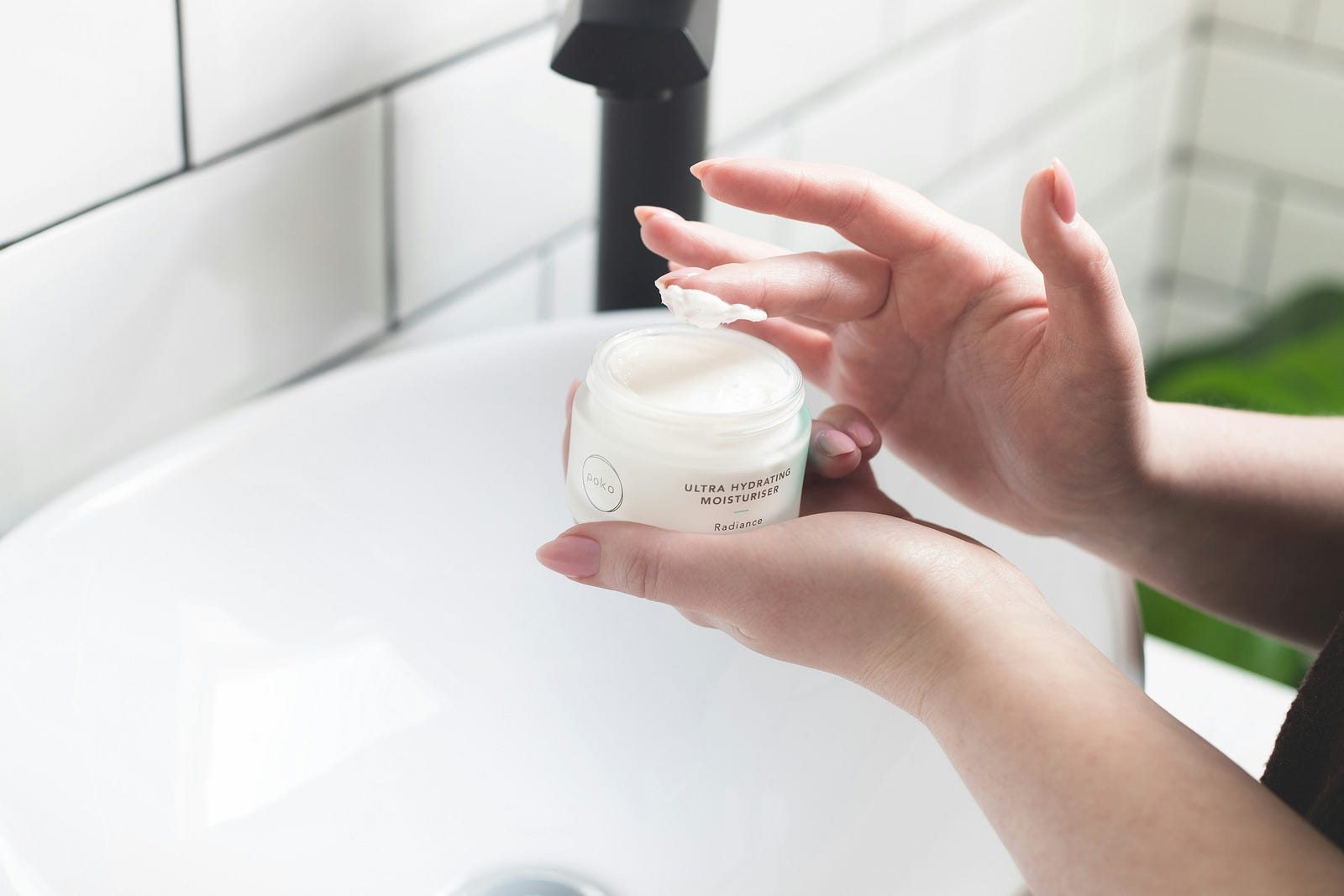
This is one reason products like CeraVe Moisturizing Cream continue to have such a loyal following. The formula combines multiple ceramides with hyaluronic acid, creating a simple but effective way to support hydration and skin barrier health. While it’s not the kind of product that generates dramatic before-and-after videos, it’s often the type of product that quietly helps skin look and feel healthier over time.
Another combination that deserves its reputation is vitamin C and sunscreen. While these products serve different purposes, they complement each other remarkably well. Vitamin C is known for helping brighten the appearance of skin and providing antioxidant support against environmental stressors. Sunscreen helps protect the skin from ultraviolet radiation, one of the primary contributors to premature aging and discoloration.
Many people make the mistake of treating these products as separate solutions when they’re actually stronger together. Using vitamin C without sunscreen is a bit like installing a security system in your home while leaving the front door unlocked. The protection simply isn’t complete.
One of the reasons vitamin C can be frustrating is that people often expect dramatic overnight changes. Healthy skin doesn’t work that way. Most meaningful improvements happen gradually, through consistent habits repeated over time. That’s why many skincare professionals emphasize routine over intensity. A product like TruSkin Vitamin C Facial Serum has become popular because it combines vitamin C with hydrating ingredients that make it easy to incorporate into a daily routine. The best skincare product is rarely the most expensive one on the shelf. More often, it’s the one you’ll still be using three months from now.
Then there’s retinol, perhaps the most talked-about skincare ingredient of the last decade. Retinol has earned its reputation through years of research supporting its ability to improve the appearance of fine lines, uneven texture, and signs of aging. But one thing that’s often overlooked is that retinol tends to perform best when paired with supportive ingredients that help maintain skin comfort and resilience.
That’s where peptides come in. Peptides are often used to support firmer-looking skin and help maintain a healthy skin appearance over time. While retinol focuses on encouraging skin renewal, peptides provide complementary support. Together, they create a balanced approach that many people find effective.
The mistake many beginners make is assuming stronger is always better. They purchase a highly concentrated retinol product, use it aggressively, and then wonder why their skin becomes irritated. In reality, successful skincare is usually less about intensity and more about consistency. Products like Olay Regenerist Retinol24 Night Moisturizer combine retinol and peptides into a single formula, helping simplify the process for people who want the benefits without creating a complicated nighttime routine.
Of course, not every skincare ingredient pairing is ideal. Certain combinations can be too aggressive for some skin types, especially when introduced too quickly. Strong exfoliating acids and retinol, for example, may cause irritation when used together by sensitive individuals. This doesn’t mean either ingredient is problematic. It simply means that timing, balance, and moderation matter.
In many ways, skincare reflects a larger lesson that applies well beyond the bathroom mirror. We often assume that adding more is the answer. More products. More steps. More effort. More solutions. Yet healthy skin frequently comes from doing fewer things consistently rather than chasing every new trend that appears on social media.
The skincare industry thrives on novelty. Every month seems to bring another miracle ingredient, another breakthrough formula, or another product that promises to transform your appearance. But most people don’t need a dozen active ingredients competing for attention on their face every day. They need a handful of ingredients that complement each other and support their skin’s natural functions.
That’s why understanding ingredient compatibility may be one of the most valuable skincare skills you can develop. When products work together, your routine becomes simpler, more effective, and often less expensive. Instead of constantly searching for the next big thing, you can focus on building a foundation that supports your skin for the long term.
The truth is that healthy skin rarely comes from having the most products. It usually comes from understanding how a few well-chosen ingredients can work together. That’s a much less exciting message than a miracle cream or viral skincare trend, but it’s also the one that tends to produce the most consistent results.

If you enjoy practical wellness insights that help separate marketing hype from reality, subscribe and join me for future deep dives into the habits, products, and science that can help make healthy living a little simpler.
Disclosure: As an Amazon Associate, I may earn from qualifying purchases, but this does not affect my recommendations.I only suggest products I’ve personally vetted.


Leave a Reply