
The weird heart attack signs that feel way too normal to ignore
I really appreciate you checking out my blog! Just so you know, some of the links in this post are affiliate links. This means that if you buy something through them, I might earn a little bit of money, at no extra cost to you. There’s absolutely no pressure to buy anything, but if you do, it genuinely helps support the time and love I put into writing these posts.
I remember standing in the kitchen one afternoon, halfway through unloading the dishwasher, wondering why it suddenly felt like I had just carried a couch up three flights of stairs. Nothing dramatic had happened. I hadn’t gone for a run. I hadn’t lifted anything heavy. I was just putting plates away, which is about as low-stakes as life gets unless you drop the good mug.
So I did what most people do.
I explained it away.
Maybe I slept badly. Maybe I needed lunch. Maybe I was dehydrated. Maybe I was getting older. Maybe I needed to stop treating coffee like a personality trait.
That is the part I think we do not talk about enough. A lot of scary health stuff does not feel scary at first. It feels annoying. It feels inconvenient. It feels like something you can deal with after one more email, one more errand, one more load of laundry, one more trip to Target where you walk in for toothpaste and leave with a throw blanket and almonds.
When most of us picture a heart attack, we picture the movie version. Someone grabs their chest. Their face changes. Everyone knows what is happening. Someone yells for help. Real life is usually messier and quieter than that. Sometimes it starts as pressure that comes and goes. Sometimes it feels like indigestion. Sometimes it feels like your jaw is tight, your shoulder aches, or your upper back is acting up again because, sure, why wouldn’t your office chair betray you?

And sometimes it just feels like you are “off.”
That is the word people use all the time. Off. Not sick exactly. Not in crisis. Just not right.
I once heard someone say they almost ignored their symptoms because they were able to keep walking around the grocery store. That stuck with me because it is such an American sentence. We measure whether something is serious by whether we can still finish the errand. If we can still pay for the rotisserie chicken, we assume we are fine.
But being able to function does not always mean your body is fine. It may just mean you are very good at pushing through.
One lesser-known sign of a heart attack is unusual fatigue. Not regular tired. Not “I stayed up too late scrolling” tired. I mean the kind of tired that makes a normal task feel strangely hard. Walking the dog around the block feels like a workout. Carrying groceries from the car makes you pause in the garage. You sit on the edge of the bed after getting dressed because somehow putting on jeans took more energy than it should have.
Another sign people miss is pain or discomfort that shows up somewhere other than the chest. The jaw. The neck. The shoulder. The upper back. One arm or both arms. It can be dull, tight, heavy, or just weird enough that you keep stretching and telling yourself you slept funny.
That is what makes it tricky. The signs are easy to blame on ordinary life.
Nausea is another one. Plenty of people, especially women, mistake heart-related symptoms for stomach trouble. And honestly, who wouldn’t? If your stomach feels upset after lunch, your first thought is not usually, “Ah yes, my cardiovascular system.” Your first thought is, “Was that salad dressing sitting out too long?”
Then there is the cold sweat. This one gets my attention because it is harder to explain away. You are not exercising. You are not outside in August humidity. You are sitting at the kitchen table or standing in line at CVS, and suddenly you feel clammy. Maybe you feel lightheaded too. Maybe your chest feels heavy. Maybe your stomach turns. That is not a “wait and see” moment.
Shortness of breath can also sneak up quietly. Not gasping. Not dramatic. Just noticing that something easy is no longer easy. You are halfway up the stairs and need to stop. You make the bed and feel winded. You walk from the parking lot into Costco and think, “Why am I breathing like I just chased a bus?”
The problem is that most of these moments do not look like emergencies when they are happening. They look like Tuesday.
And Tuesday is exactly when people ignore things.
I think part of the reason is that nobody wants to be the person who “overreacts.” We do not want to call 911 and feel embarrassed if it turns out to be reflux or anxiety or a pulled muscle. We do not want to scare our family. We do not want to make a scene. We definitely do not want to be dramatic in the middle of a normal day.
But here is the thing. Emergency responders would rather come out and find out you are okay than have you wait too long because you were worried about looking silly.
That sentence alone is worth remembering.
If you have chest pressure, trouble breathing, pain spreading to your jaw, arm, back, neck, or stomach, cold sweat, nausea, lightheadedness, or a deep sense that something is wrong, especially if symptoms last more than a few minutes, go away and come back, or show up together, call 911. Do not drive yourself. Do not wait for a more convenient time. Do not finish folding towels first.
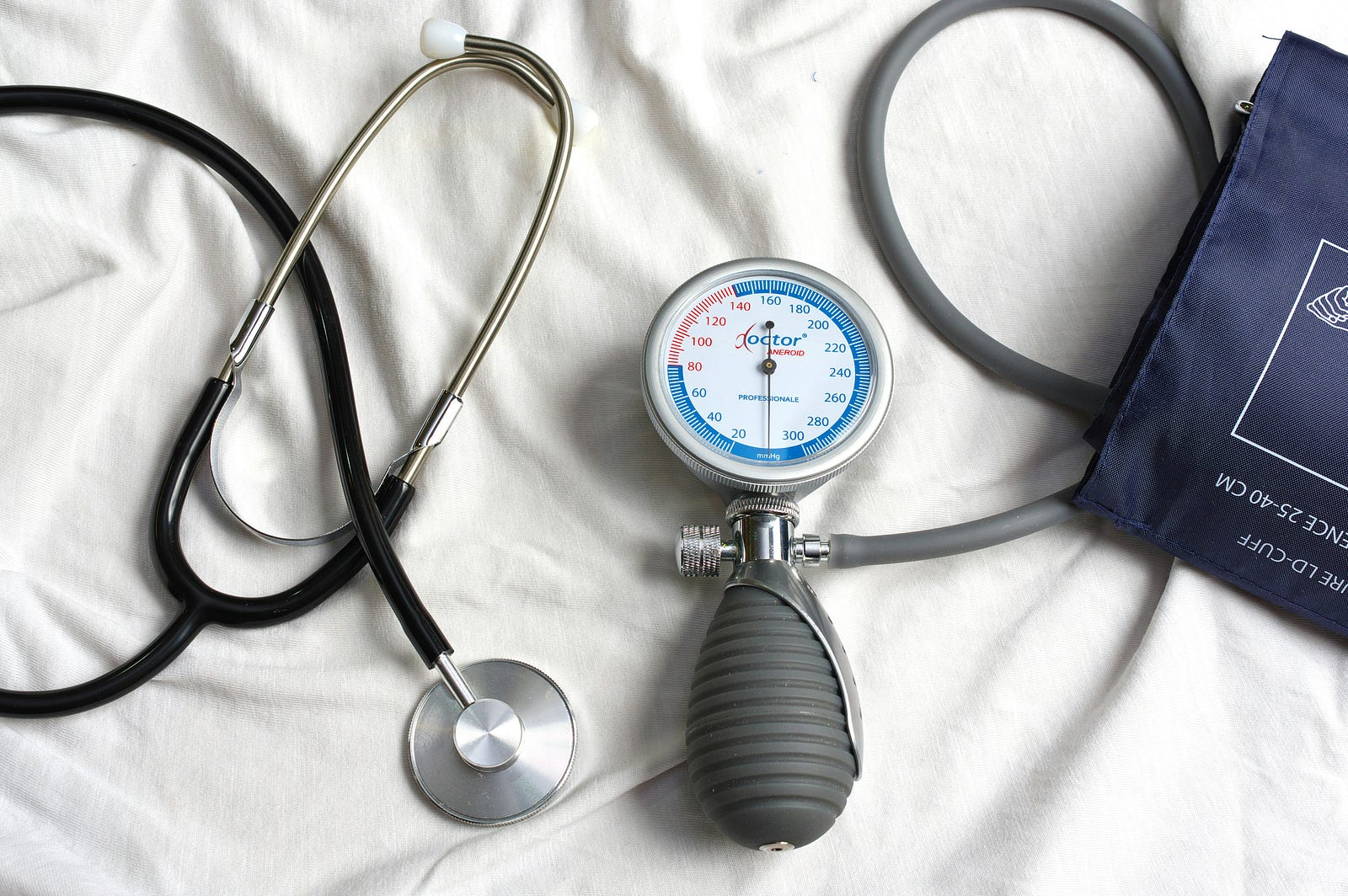
Prepared does not mean paranoid. It means you have a few simple tools and habits that make it easier to pay attention.
A home blood pressure monitor is one of those tools I actually think many households should have. It does not diagnose a heart attack, and it is not a substitute for medical care, but it helps you know your usual numbers. That baseline matters. Something like the Omron Platinum Blood Pressure Monitor is a practical Amazon option because it is easy to use and stores readings, which can be helpful when talking with a doctor.
Another tool some people like is a small personal ECG device, such as the KardiaMobile 1-Lead Personal EKG Monitor. Again, this is not for diagnosing a heart attack at home, and it should never delay a 911 call. But for people who occasionally feel palpitations or irregular beats, it can record a rhythm strip that may help a clinician understand what has been happening.
The least glamorous product might be the most useful: a basic medication organizer. I like the idea of something simple like the AUVON Weekly Pill Organizer because consistency matters, especially for people taking blood pressure medication, cholesterol medication, aspirin prescribed by a clinician, or other heart-related medications. It is not exciting. It will not go viral. But neither does taking your medicine correctly, and that is kind of the point.
What I do not want is for you to finish this and feel scared of your own body.
I want the opposite.
I want you to trust yourself a little more.
Because most of us are not ignoring our health because we do not care. We are ignoring it because life is loud. The dog needs to go out. The meeting starts in five minutes. Dinner is not going to make itself. The laundry has somehow reproduced again. And in the middle of all that noise, the body has to compete for attention.
So maybe the real question is not, “Would I recognize a heart attack?”
Maybe the better question is, “Would I give myself permission to stop and take it seriously?”
That is the part worth sitting with.
Have you ever brushed off a symptom because it seemed too ordinary to matter? I would genuinely love to hear what you told yourself in that moment.

And if you want more conversations like this, the kind that feel less like a lecture and more like a smart friend handing you a flashlight, subscribe to my Substack. We will keep talking about the stuff most people only learn after they wish they had known it sooner.
Disclosure: As an Amazon Associate, I may earn from qualifying purchases, but this does not affect my recommendations.I only suggest products I’ve personally vetted.


Leave a Reply