
A very dramatic story about dirt, tomatoes, weeds, and learning to calm down.
I really appreciate you checking out my blog! Just so you know, some of the links in this post are affiliate links. This means that if you buy something through them, I might earn a little bit of money, at no extra cost to you. There’s absolutely no pressure to buy anything, but if you do, it genuinely helps support the time and love I put into writing these posts.
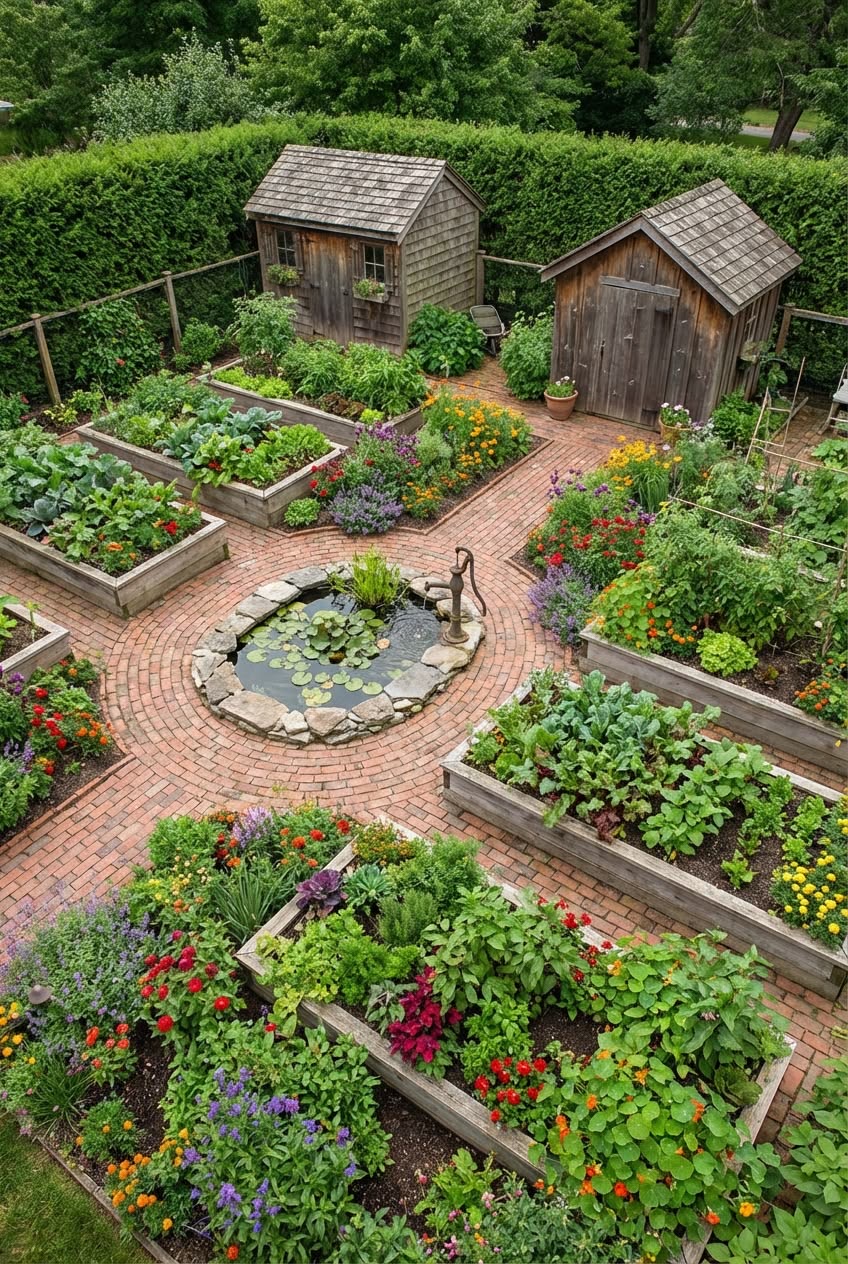
Have you ever walked outside, looked at your yard, and thought, “Why does everyone else’s garden look like a magazine spread while mine looks like it’s been through a small emotional crisis?” Same. Every spring, I used to make the same promise to myself. This was going to be the year. I was going to grow tomatoes that tasted like summer, flowers that made neighbors slow down, and herbs I would casually snip while cooking dinner like I was living in a Nancy Meyers movie.
Then July would show up.
The weeds would be thriving like they had a five-year business plan. The tomatoes would look personally offended. The basil would either explode into a small shrub or give up completely. And I would stand there with a hose in one hand, a coffee in the other, wondering how something as peaceful as gardening had somehow become another way to disappoint myself.
That sounds dramatic, but you know what I mean. A garden has a funny way of revealing exactly how much control we think we have. You can buy the plants, read the labels, watch the videos, and still end up staring at a sad pepper plant like it has betrayed you. I used to think a perfect garden meant everything had to be neat, blooming, productive, and worthy of a photo. Now I think the perfect garden is the one that makes you want to step outside even when one corner looks like you forgot it exists.
The shift happened one morning when I walked out expecting to feel annoyed. The grass needed cutting. There were weeds near the fence. One tomato cage was leaning so badly it looked like it had given up on the American dream. But right in the middle of all that mess, a butterfly landed on one of the flowers like it couldn’t care less. A bee moved through the basil. The air smelled like wet dirt from the night before. And for the first time in a long time, I didn’t see a failed project. I saw a living little place that was still trying.
That’s when I started gardening differently. Not better in the fancy sense. Just more honestly. I stopped trying to build the kind of garden that looks impressive online and started building the kind of garden I would actually take care of on a Tuesday evening when dinner still needed to happen and the laundry was doing that thing where it somehow became three loads overnight.
The first rule became simple: stop planting like I have a full-time grounds crew. I used to walk into a garden center and lose all common sense. I’d buy six tomato plants, four peppers, two lavender plants, a cart full of flowers, and one random herb I had no idea how to use but felt emotionally attached to in aisle seven. Then I’d bring it all home and realize plants are not home decor. They are tiny living responsibilities with opinions.
Now I start smaller. A few herbs. A couple tomato plants. Flowers near the places I actually see every day. That’s it. A smaller garden that gets loved will beat a huge garden that gets neglected every single time. It also makes gardening feel less like a second job and more like a quiet ritual. Ten minutes after dinner. Five minutes before work. A quick walk outside while the coffee is brewing. Those little moments matter more than one heroic Saturday where you exhaust yourself and swear you’re never doing this again.
Watering was another lesson I had to learn the hard way. I used to water based on guilt. If the plants looked sad, I watered. If I forgot yesterday, I watered twice. If the weather app said it might rain, I did nothing and then acted shocked when the rain missed my street entirely. Looking back, I’m pretty sure my tomatoes had no idea what I was doing.
That’s why I like Authentic Olla Clay Watering Pots. They are simple in the best possible way. You bury the clay pot in the soil, fill it with water, and it slowly releases moisture near the roots. No drama. No guessing. No standing outside at 8:30 p.m. wondering if you are helping the cucumbers or drowning them. It feels old-school and smart at the same time, which is probably why I trust it. Some garden tools try too hard to be clever. This one just quietly does its job.
And honestly, that is the kind of product I appreciate most now. Not the loud gadget that promises to change your entire life. Just the thing that removes one little point of stress so you keep showing up. Because that is really how a garden gets good. You don’t become a different person overnight. You just make it easier for your current, very normal, occasionally tired self to succeed.
The other thing that changed my garden was paying attention to birds. I know that sounds like something a retired person says before showing you binoculars, but hear me out. Birds make a backyard feel alive in a way flowers alone cannot. One day you’re just filling a feeder. The next day you’re standing at the window saying, “The cardinals are back,” like they are old friends who stopped by for coffee.
That is why the Bird Buddy Pro Solar Smart Bird Feeder is such a fun addition if you like your garden to feel a little more connected to the world around it. It has a camera that captures visiting birds, and the app can help identify many of them. Is it necessary? No. Is it delightful? Absolutely. It turns the backyard into a tiny nature show, and suddenly you care deeply about whether the same blue jay has been showing up with attitude every morning.
The funny thing is, once you start noticing birds, you start noticing everything else. You notice which flowers the bees visit first. You notice how the light hits the corner of the yard around six o’clock. You notice that the mint is once again trying to take over society. Gardening becomes less about controlling every square inch and more about being in relationship with the space. That sounds a little sentimental, but I mean it in the most practical way. The more you notice, the better you care.
Of course, weeds will still humble you. Weeds do not care about your personal growth. They do not care that you had a long week. They do not care that you just cleaned that bed three days ago. They return with the confidence of a group text nobody asked for.
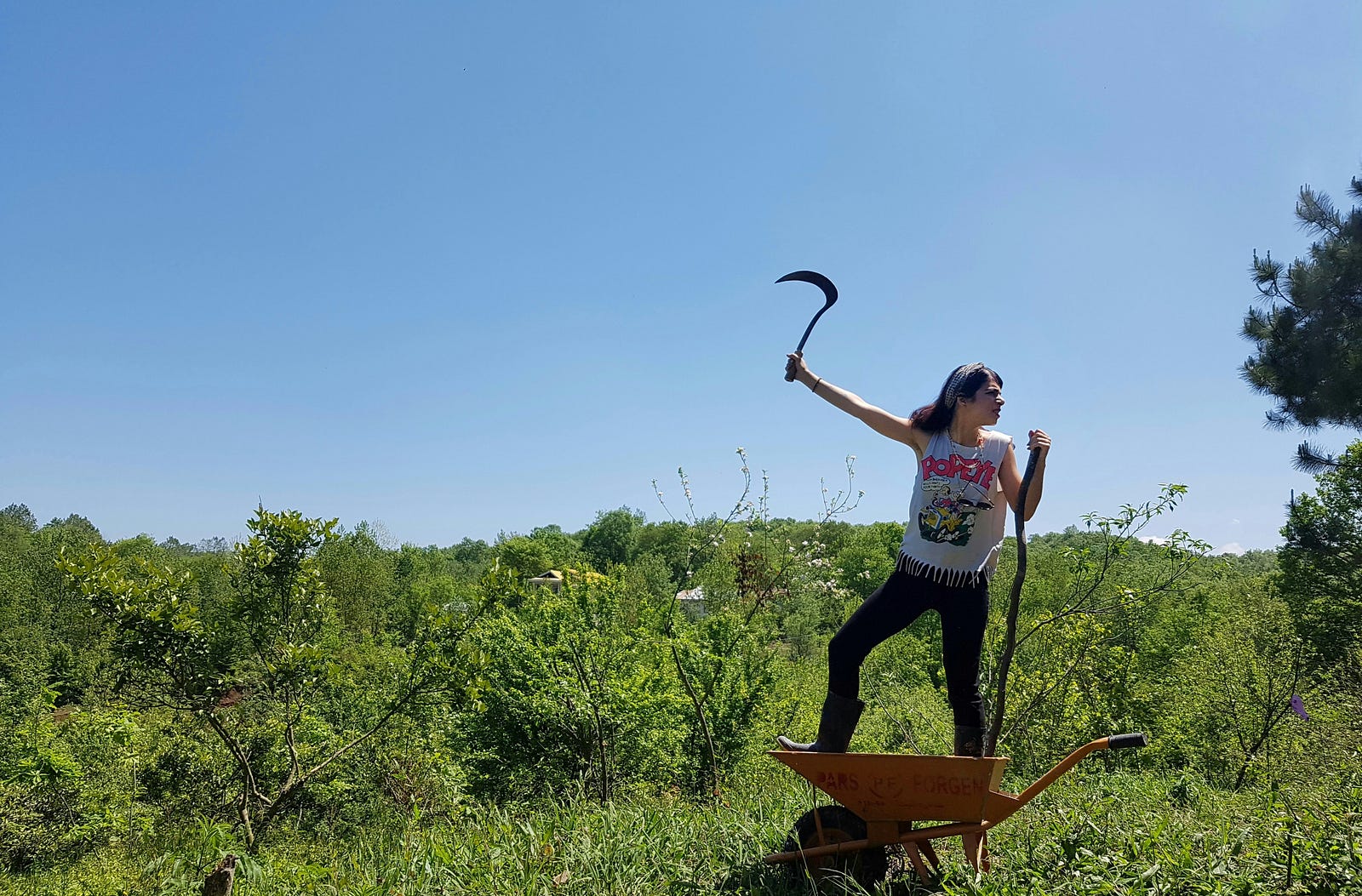
For a long time, I hated weeding because it made my back hurt and my mood worse. I would kneel down, pull a few, break half the roots, and then stand up making the kind of noise that makes you realize you are no longer twenty-two. That is where the Fiskars 4-Claw Stand-Up Weed Puller earns its spot. You step on it, twist, and pull the weed up without spending the whole afternoon bent over like you’re apologizing to the lawn. The first time I used one, I laughed because it felt almost unfair. Like, wait, this was allowed the whole time?
That is the secret nobody tells you about having a garden you love. You do not need to suffer your way into it. You are allowed to make it easier. You are allowed to use tools that protect your back, save your time, and help you enjoy the process instead of resenting it. Somewhere along the way, a lot of us started believing that if something is good for us, it has to be hard. Gardening pushes back on that. Yes, it takes effort. But it should also give something back.
And it does.
It gives you the first tomato that actually tastes like a tomato. It gives you basil on a weeknight pasta when you were absolutely about to order takeout. It gives you a reason to step away from your phone. It gives you tiny proof that patience is not dead, even in a world that keeps trying to make everything faster, louder, and more urgent.
That may be why gardening feels so good in 2026. Everything else wants our attention right now. The garden does not. It moves slowly. It asks for consistency, not panic. It rewards small acts. Water this. Pull that. Trim here. Wait. Try again. Somehow, in the middle of doing those simple things, your nervous system gets the message that maybe everything does not have to be solved in the next ten minutes.
A perfect garden is not perfect. Mine never will be. There will always be a weird corner, a plant I overestimated, a weed I pretend not to see until it becomes a small tree. But now I understand that the mess is part of the deal. A garden is not a showroom. It is a relationship. You learn it. It teaches you. Sometimes it feeds you. Sometimes it embarrasses you in front of the neighbors. And then, just when you’re ready to give up, something blooms.
So if you are starting your garden this year, start smaller than your excitement wants you to. Plant what you will actually use. Put flowers where you will actually see them. Make watering easier. Invite the birds. Get a weed tool that does not make you question your life choices. And above all, give yourself permission to be a beginner, even if you have been gardening for years.
Because every garden is really just a series of fresh starts.
A seed. A bloom. A better plan next weekend.
And maybe, if we let it, a little proof that we can grow something beautiful without getting everything right.
I’m curious: what is the one plant that keeps humbling you every single year? Mine used to be tomatoes. I’d love to hear yours, because I have a feeling I’m not the only one who has lost an argument with a vegetable.

If this made you smile, nod, or think about finally fixing that one weird corner of your yard, subscribe and come hang out here each week. I share simple garden ideas, honest product finds, tiny wins, and the kind of outdoor encouragement that does not require a perfect yard or a perfect life. Just a little dirt, a little humor, and a willingness to try again.
Disclosure: As an Amazon Associate, I may earn from qualifying purchases, but this does not affect my recommendations.I only suggest products I’ve personally vetted.


Leave a Reply