
The best wellness tool I’ve found lately doesn’t tell me what to do. It helps me figure out what actually makes sense.

I really appreciate you checking out my blog! Just so you know, some of the links in this post are affiliate links. This means that if you buy something through them, I might earn a little bit of money, at no extra cost to you. There’s absolutely no pressure to buy anything, but if you do, it genuinely helps support the time and love I put into writing these posts.
The other day, I had one of those completely ordinary health questions that somehow turned into a full-blown internet rabbit hole. I was feeling tired in the middle of the afternoon, and I wanted to know why. That was it. Just a simple question. Twenty minutes later, I had read articles about blood sugar, hormones, cortisol, dehydration, sleep debt, vitamin deficiencies, caffeine crashes, and a dozen other possibilities. Every article sounded convincing. Every expert seemed absolutely certain. By the time I closed my phone, I didn’t feel smarter. I felt overwhelmed. It’s funny how we have more health information than any generation before us, yet so many of us feel less confident making everyday decisions about our own bodies.
I think that’s because the internet is built to give us information, not context. It doesn’t know that you only have twenty minutes to make dinner after work. It doesn’t know that you hate meal prep, forget to refill your water bottle, or buy spinach every week with the best intentions only to throw it away the following Friday. It doesn’t know that you’re trying to eat healthier while juggling work, family, errands, and about a hundred other things. So it gives you advice that sounds great in theory but doesn’t always fit into real life.
That’s where AI completely changed the way I think about wellness. Not because it magically knows everything, and definitely not because it replaces doctors or dietitians. It changed things because it lets me have an actual conversation instead of sending me down an endless list of search results. Instead of asking, “What’s the healthiest breakfast?” I can say, “I usually have ten minutes in the morning, I need something high in protein that doesn’t involve cooking, and I don’t want to be hungry by 10:30.” Suddenly, the advice feels like it was written for someone who actually lives my life instead of an imaginary person with unlimited time and motivation.
The biggest surprise wasn’t that AI gave me better answers. It was that it made me ask better questions. I stopped searching for perfect diets and miracle foods, and I started asking about the little things that actually happen every day. Why am I hungry an hour after lunch? Why do I always crave something sweet at night? Is frozen fruit just as nutritious as fresh? How can I eat more fiber without making another salad? Those aren’t exciting questions, but they’re the ones that quietly shape how we feel every single day. And because AI lets me ask them without judgment, I find myself learning something almost every time.
One thing I’ve noticed is that AI is only as helpful as the information you give it. The first time I asked, “How do I eat healthier?” the answer was exactly what you’d expect. Eat more vegetables. Choose whole grains. Limit processed foods. It wasn’t wrong, but it also wasn’t particularly useful. Then I tried again. I explained that I work long days, don’t enjoy spending hours cooking, grocery shop once a week, and usually need dinners that come together in under thirty minutes. The difference in the response was incredible. Instead of generic advice, I got ideas that actually fit into a normal weekday. That was the moment I realized AI isn’t about replacing common sense. It’s about making common sense personal.
Honestly, I think a lot of us have spent years trying to force ourselves into wellness routines that were never designed for our actual lives. We’ve bought cookbooks we never opened, saved recipes we’ll never make, and ordered supplements that eventually disappeared into the back of the pantry. We don’t need more advice that sounds impressive. We need advice we’ll actually use on a random Tuesday when we’re tired, hungry, and just trying to get dinner on the table before eight o’clock.
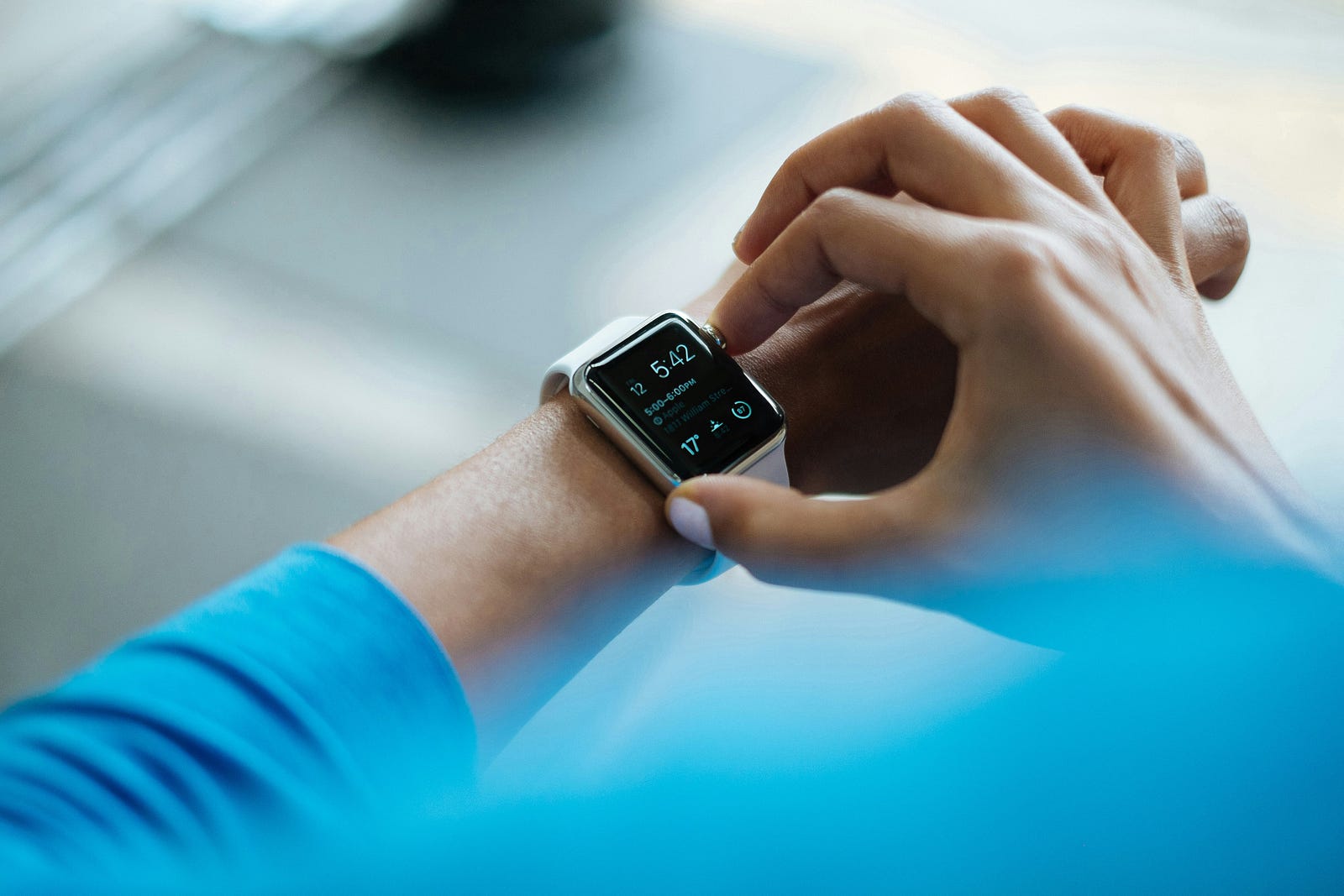
Something else changed once I started using AI regularly. I stopped chasing trends. Every week there’s a new superfood, a new supplement, a new workout, or a new rule about what we’re supposed to avoid. A few years ago, I probably would’ve felt like I needed to keep up with all of it. Now I simply ask AI whether something is actually worth paying attention to, what the research says, and whether it even applies to someone with my goals. More often than not, the answer is much less dramatic than social media would have you believe. That’s been surprisingly freeing.
I’ve also found that AI becomes even more useful when it’s working with real information instead of guesses. That’s one reason I’ve started appreciating simple smart wellness tools. A Withings Body Smart Scale, for example, gives you trends over time instead of making you obsess over one day’s number. When you can see patterns instead of isolated measurements, your conversations with AI become much more meaningful. Instead of asking, “Why isn’t the scale moving?” you can ask, “My weight has stayed the same for three weeks, but my muscle mass is increasing and my activity has gone up. What could be happening?” That’s a completely different conversation.
The same thing happened when I started paying closer attention to hydration. I really like the LARQ PureVis Self-Cleaning Water Bottle because it keeps water fresh throughout the day, which means I’m actually more likely to drink it instead of forgetting about the bottle sitting on my desk. That might sound like a tiny thing, but tiny habits are usually the ones that stick. Once I had a better idea of how much water I was actually drinking, AI could help me think through whether dehydration might be contributing to those afternoon energy slumps I kept blaming on everything else.
One product that genuinely surprised me was the CHEF iQ Sense Smart Wireless Meat Thermometer. I know that sounds like something only serious home cooks would buy, but it solved a problem I didn’t even realize I had. Cooking healthy meals became much less stressful because I wasn’t constantly cutting into chicken or salmon to see if it was done. AI could help me build quick, high-protein dinner ideas around what I already had in the refrigerator, and the thermometer handled the cooking part. It removed one more excuse for ordering takeout when I was tired.
The more I use AI, the more I realize that wellness isn’t about having all the answers. It’s about knowing which questions are worth asking. It’s asking why you feel exhausted every afternoon instead of assuming you just need more coffee. It’s wondering whether your breakfast is actually keeping you full instead of blaming yourself for snacking later. It’s asking how to make vegetables taste better instead of deciding healthy eating isn’t for you. Those small questions seem insignificant in the moment, but they’re often the ones that create lasting change.
I also think it’s important to say this because it matters. AI is an incredible learning tool, but it isn’t a replacement for your doctor or another qualified healthcare professional. I don’t use it to diagnose symptoms or tell me whether something serious is wrong. I use it to understand concepts, organize my thoughts, and prepare better questions before appointments. In many ways, it’s helped me become a more informed patient, not a more anxious one.
Maybe that’s what I appreciate most. AI didn’t make wellness more complicated. It made it feel more approachable. It reminded me that I don’t have to become a completely different person overnight. I don’t need the perfect diet, the perfect routine, or the perfect morning schedule. I just need to keep asking better questions, making slightly better decisions, and staying curious about what helps me feel my best.

Now I’m curious about you. What’s one wellness question you’ve Googled over and over but still feel like nobody has answered in a way that actually makes sense? Leave it in the comments. Chances are you’re not the only one wondering. And if you enjoy practical, science-backed wellness conversations that skip the guilt, the fear, and the impossible standards, I’d love to have you join this community by subscribing. I think we’re all looking for the same thing in the end, not more information, but advice that actually fits into real life.
Disclosure: As an Amazon Associate, I may earn from qualifying purchases, but this does not affect my recommendations.I only suggest products I’ve personally vetted.


Leave a Reply