
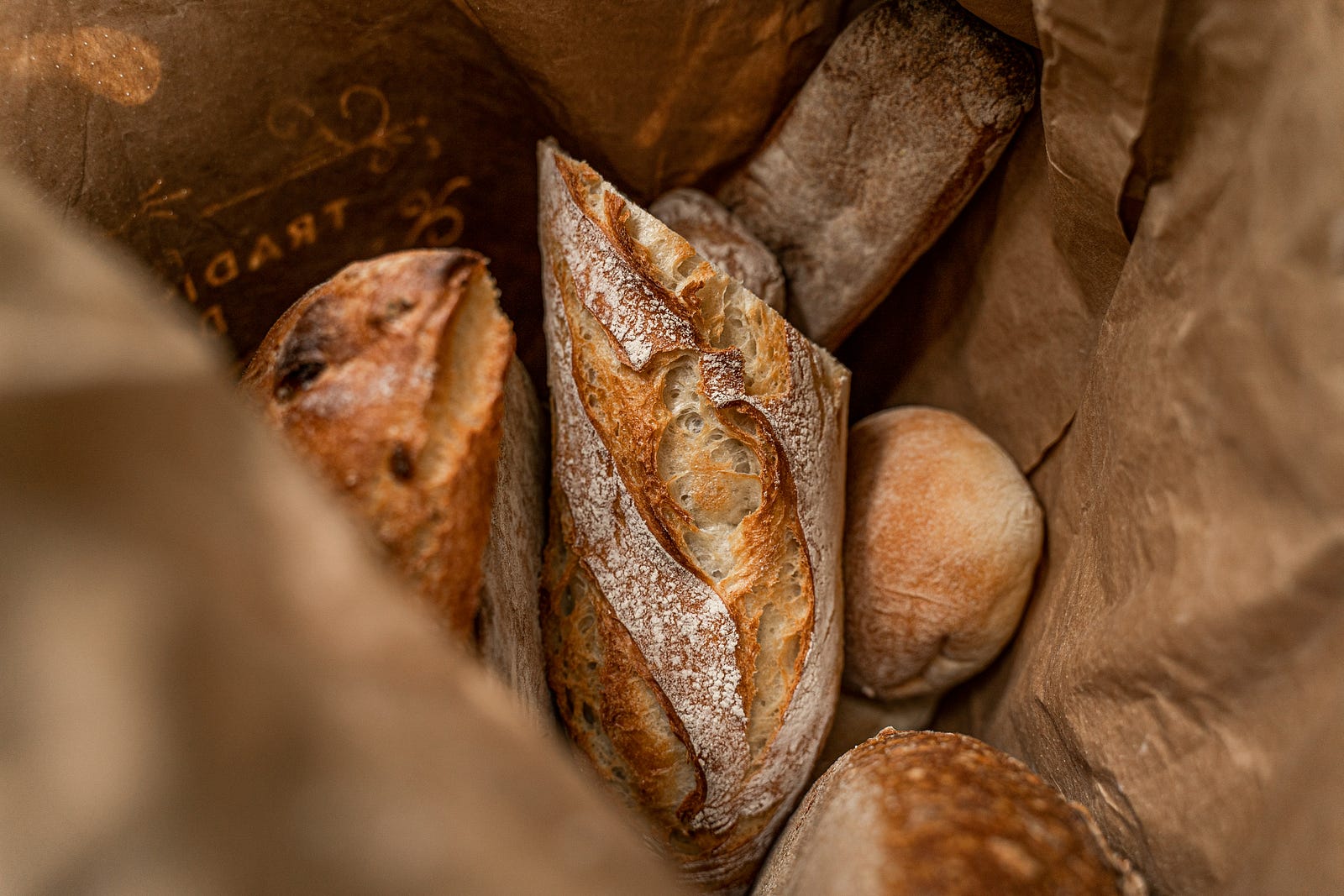
The bread aisle isn’t confusing because you’re bad at shopping. It’s confusing because it’s designed to be.
I really appreciate you checking out my blog! Just so you know, some of the links in this post are affiliate links. This means that if you buy something through them, I might earn a little bit of money, at no extra cost to you. There’s absolutely no pressure to buy anything, but if you do, it genuinely helps support the time and love I put into writing these posts.
I used to think buying bread was one of the easiest things on my grocery list. White bread? Probably not the best choice. Whole wheat? That’s the healthy one. Grab a loaf, toss it in the cart, and move on. Then one day I realized something that honestly made me laugh. I could eat two slices of what I thought was a healthy breakfast, and by 10:30 I was standing in front of the pantry looking for something else to eat. I blamed myself for years. I thought I just didn’t have enough willpower. Maybe I snacked too much. Maybe I needed more discipline. But what if the problem wasn’t me? What if breakfast simply wasn’t doing its job?
That’s the conversation I wish we had more often. We spend so much time blaming ourselves for being hungry, craving sugar in the afternoon, or feeling exhausted after lunch. We tell ourselves we need to “eat less” or “try harder.” But sometimes your body isn’t asking for more food because you’re weak. It’s asking because the meal you started your day with disappeared almost as fast as you ate it. And for a lot of people, bread is where that story quietly begins.
Now before anyone thinks I’m about to tell you to give up bread forever, let me stop you right there. I love bread. Fresh toast with butter? Amazing. A turkey sandwich on a busy weekday? One of life’s simplest comforts. Avocado toast deserves every bit of the attention it gets. Bread isn’t the enemy. The problem is that we’ve been taught to believe every loaf wearing a “healthy” label is actually healthy, and those two things aren’t always the same.
The grocery store has gotten really good at selling us words that sound nutritious. “Multigrain.” “Made with whole grains.” “Stone ground.” “Country style.” They sound comforting, almost wholesome. But those phrases don’t automatically tell you how that bread is going to affect your body. I’ve learned that the front of the package is trying to sell me something. The back of the package is trying to tell me the truth.
These days, I barely spend any time looking at the marketing on the front. I flip the loaf over and look at four things. Is the first ingredient a whole or sprouted grain? Does it have a good amount of fiber? Is the added sugar low? Do the ingredients actually look like food instead of a chemistry experiment? That’s it. It takes less than thirty seconds, and honestly, it’s probably saved me from buying dozens of loaves that only looked healthy.
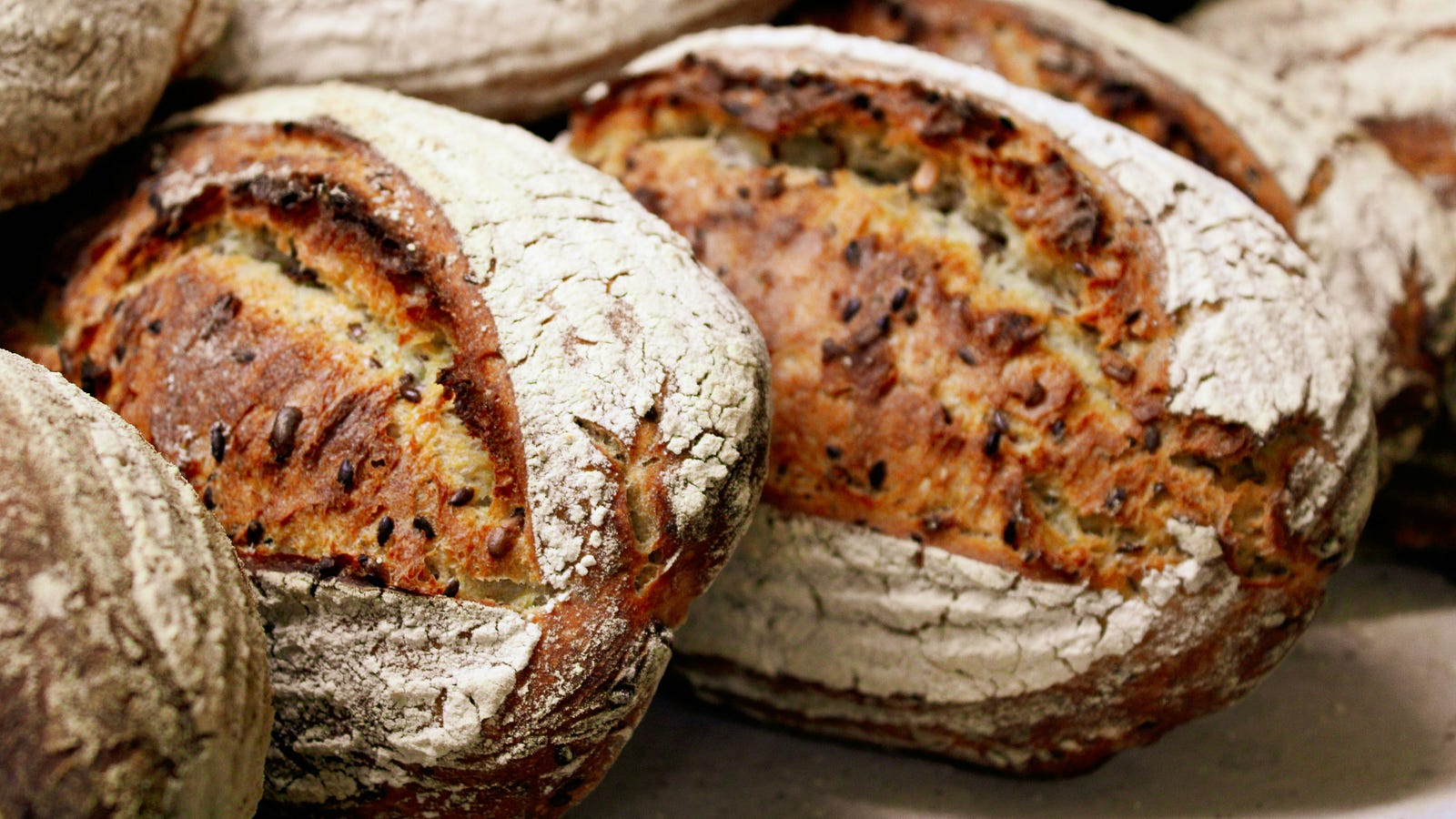
One thing that’s changed over the past few years is that there are actually some really good options now that don’t leave me feeling hungry an hour later. Carbonaut Seeded Bread has become incredibly popular because it’s packed with fiber while keeping net carbs low, and unlike a lot of lower-carb breads, it actually feels soft enough for a real sandwich. Hero Seeded Bread is another one people reach for because it manages to taste like traditional sandwich bread while adding plenty of fiber to help slow digestion. And Royo Sliced Bread has been getting a lot of attention from people who wear continuous glucose monitors or simply want steadier energy throughout the day. None of these breads are magic, and they aren’t meant to be. They simply give your body a better starting point than many traditional grocery store loaves.
Here’s the part that surprised me the most, though. The bread is only half the story. What you put on it matters just as much. A couple of slices with jam and a glass of juice is a completely different breakfast than those same slices topped with eggs, avocado, smoked salmon, peanut butter, or cottage cheese. When you add protein, healthy fats, and more fiber, your body digests that meal much more slowly. Instead of your energy shooting up and crashing a couple of hours later, everything feels steadier. You stay full longer, and suddenly you’re not thinking about snacks before lunch.
One of my favorite little habits is almost too simple to believe. I keep my bread in the freezer and toast it when I want it. Besides helping it last longer, freezing and then toasting bread may slightly increase resistant starch, which can slow digestion a bit. Is it going to completely change your blood sugar overnight? No. But I’ve learned that better health almost never comes from one huge change. It comes from dozens of tiny decisions that barely feel like effort until you look back six months later and realize how much they’ve added up.
I’ve also stopped believing breakfast has to look the same every day. Some mornings I want toast. Other mornings it’s Greek yogurt with berries and walnuts. Sometimes it’s eggs and vegetables, and every now and then it’s leftovers from dinner because that’s what sounds good. Your body doesn’t care whether breakfast fits into some social media trend. It cares whether it gives you the nutrients and steady energy you need to get through your morning without feeling like you’re running on fumes.
If you’ve ever worn a continuous glucose monitor, you’ve probably noticed something fascinating. Two breads that look almost identical on the shelf don’t always behave the same way once you eat them. One leaves you feeling energized and satisfied. Another has you wondering why you’re sleepy an hour later. That’s why I’ve stopped shopping based on assumptions and started shopping with curiosity instead. The nutrition label tells a much more interesting story than the front of the package ever will.
So the next time you’re standing in the bread aisle wondering which loaf belongs in your cart, don’t ask yourself which one has the prettiest packaging or the healthiest-sounding name. Ask yourself which one is most likely to keep you feeling good two hours after breakfast. That single question completely changed the way I shop, and honestly, it changed the way I feel.

Now I want to know about you. What’s the bread you’ve been buying for years? Are you sticking with it because it’s actually working for you, or simply because you’ve never had a reason to question it? Sometimes the smallest change in your grocery cart ends up making the biggest difference in how you feel every single day. Subscribe here
Disclosure: As an Amazon Associate, I may earn from qualifying purchases, but this does not affect my recommendations.I only suggest products I’ve personally vetted.


Leave a Reply