
The tiny roommates in your belly may be doing more math than you think.
I really appreciate you checking out my blog! Just so you know, some of the links in this post are affiliate links. This means that if you buy something through them, I might earn a little bit of money, at no extra cost to you. There’s absolutely no pressure to buy anything, but if you do, it genuinely helps support the time and love I put into writing these posts.
Have you ever sat across from someone who ordered the exact same meal as you and wondered how their body somehow seems to play by a completely different set of rules? Maybe you both shared a burger and fries, yet one person feels energized while the other feels sluggish. Or maybe one person seems to gain weight just thinking about dessert while another somehow cruises through life without worrying much about calories at all. Most of us have chalked it up to genetics, luck, or metabolism. But scientists are uncovering something far more interesting—and honestly, a little mind-blowing.
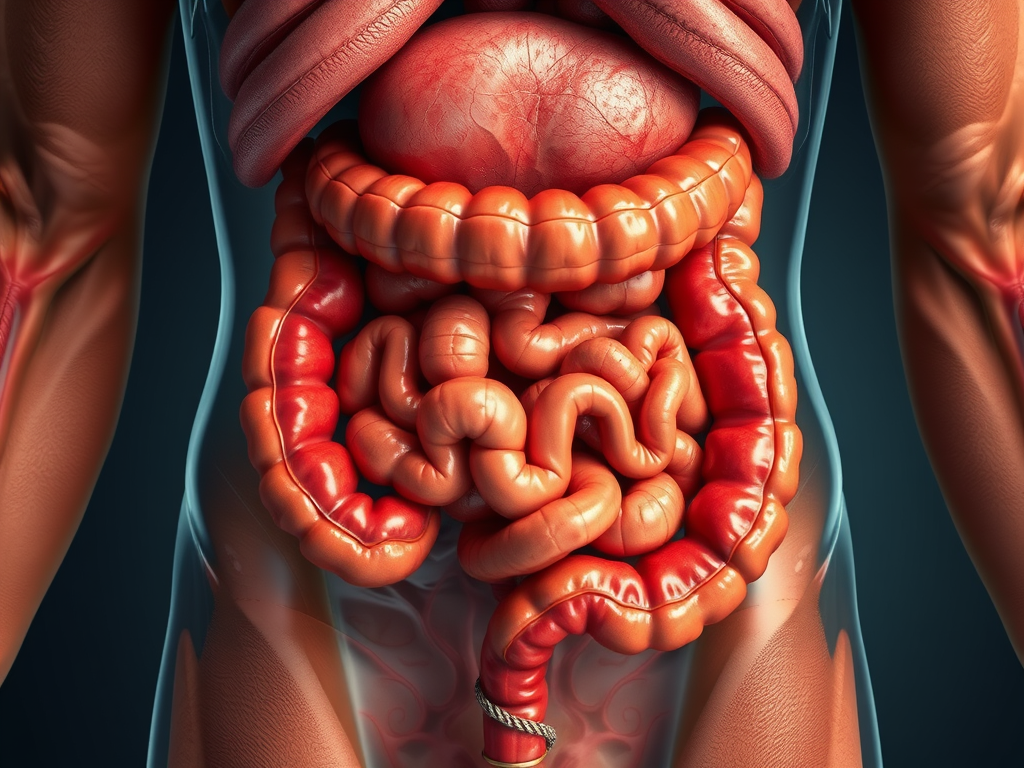
A growing body of research suggests that the microbes living inside your gut may have a much larger influence on calorie absorption than previously appreciated. In fact, researchers using sophisticated models of digestion and microbial metabolism found that the exact same amount of food can result in meaningfully different amounts of absorbed energy depending on how a person’s gut microbiome processes it. Let that sink in for a second. The calories listed on a nutrition label may not tell the entire story because what your body actually absorbs can vary based on the trillions of microbes living inside you.
For decades, we’ve been taught that nutrition comes down to a simple equation: calories in versus calories out. It’s easy to understand, easy to remember, and easy to put on a fitness poster. But the human body has never been quite that simple. The truth is that food doesn’t travel through your digestive system untouched. Before nutrients and energy make their way into your bloodstream, they encounter an incredibly complex ecosystem made up of bacteria, fungi, and other microorganisms. These microscopic residents help break down food, ferment fibers, produce compounds that support health, and, as we’re learning, influence how much energy your body ultimately extracts from what you eat.
Think of your gut microbiome like a team of workers unloading cargo from a ship. Two ports can receive identical shipments, but depending on the workers, equipment, and processes available, the amount of cargo that actually gets unloaded can be very different. In a similar way, two people can eat the same meal and absorb different amounts of usable energy because their gut microbes process food differently. Suddenly, that age-old question of why one person responds differently to food than another doesn’t seem so mysterious anymore.
What’s fascinating is that this doesn’t mean calories don’t matter. They absolutely do. What it does mean is that calories may not be as fixed as we’ve always assumed. Instead of thinking about food as a simple number on a label, we’re beginning to understand it as a conversation between what we eat and the ecosystem living inside us. That’s a pretty significant shift in how we think about nutrition. And honestly, it may help explain why so many people feel frustrated when nutrition advice seems to work perfectly for someone else but not for them.
The more scientists learn about the microbiome, the more it starts to resemble an active participant in health rather than a passive bystander. Your gut microbes aren’t just hanging around for the ride. They’re influencing digestion, metabolism, immune function, hunger signals, and now potentially calorie extraction itself. It’s like discovering that a quiet coworker you’ve known for years has secretly been running half the company behind the scenes.
This is where things get particularly relevant for everyday life. If the microbiome influences how efficiently your body processes food, then supporting a healthy microbiome becomes even more important than we once thought. The good news is that many of the habits that support beneficial microbes are surprisingly simple. Fiber-rich foods, diverse plant foods, fermented foods, and consistent eating patterns all help create an environment where beneficial microbes can thrive. Unfortunately, modern life doesn’t always make those choices easy. Most of us are balancing work, family responsibilities, social commitments, and about a hundred notifications before lunch. Convenience often wins.
That’s one reason some people turn to simple tools that help support gut health. For example, Micro Ingredients Organic Acacia Fiber Powder has become increasingly popular because it’s an easy way to increase daily fiber intake without dramatically changing your meals. Acacia fiber acts as a prebiotic, meaning it provides food for beneficial gut bacteria. Another product that has gained attention is Wildbrine Raw Sauerkraut, which contains naturally fermented vegetables that provide both fiber and beneficial microbes. And for people looking to add more fermented foods to their routine, Cleveland Kitchen Kimchi Pickles offer a flavorful option that combines fermentation with an everyday snack many Americans already enjoy.
Of course, there isn’t a single product that magically transforms your microbiome overnight. If there were, we’d all be hearing about it every commercial break during football season. The reality is less dramatic but much more sustainable. Your gut ecosystem responds to patterns. It responds to what you consistently do, not what you occasionally do. One salad won’t change your microbiome. One probiotic won’t either. But small habits repeated day after day can gradually shape the microbial community living inside you.
What I find most exciting about this research isn’t that it gives us another health trend to follow. It’s that it gives us a new way to think about our bodies. Instead of viewing ourselves as broken calculators that somehow can’t get the math right, we can start recognizing that we’re complex biological ecosystems. That perspective replaces frustration with curiosity. It shifts the conversation from blame to understanding.
We’re still in the early chapters of microbiome science, and researchers are discovering new connections every year. What seems increasingly clear, however, is that the microbes living inside us play a much larger role in our health than anyone imagined just a few decades ago. They may influence how we process food, how much energy we absorb, and potentially why nutrition is rarely a one-size-fits-all experience.
So now I’m curious. Have you ever noticed that your body responds differently to certain foods than the people around you? Have you experimented with fiber, fermented foods, or other gut-friendly habits and noticed a difference? Hit reply and tell me. Some of the best conversations happen when readers share what they’ve experienced firsthand.
And if you enjoy science-backed insights that make complex health topics feel understandable and useful, consider subscribing. Every week, we’ll explore the surprising ways your gut, metabolism, and everyday habits shape your health, without the hype, guilt, or confusion. Because your body is doing a lot more behind the scenes than you might think.
Disclosure: As an Amazon Associate, I may earn from qualifying purchases, but this does not affect my recommendations.I only suggest products I’ve personally vetted.


Leave a Reply