
The side effect nobody talks about until they’re Googling it at 2 a.m.

I really appreciate you checking out my blog! Just so you know, some of the links in this post are affiliate links. This means that if you buy something through them, I might earn a little bit of money, at no extra cost to you. There’s absolutely no pressure to buy anything, but if you do, it genuinely helps support the time and love I put into writing these posts.
It’s funny how some of the biggest questions in life end up getting typed into a search bar in the middle of the night. “Why can’t I orgasm anymore?” “Did my antidepressant change my sex drive?” “Is something wrong with me?” For a lot of people, those questions don’t come out of nowhere. They show up a few weeks or months after starting an antidepressant. Life may finally feel lighter. The constant anxiety isn’t running the show anymore. Getting through the workday feels easier. Sleep starts improving. Friends notice the smile has come back. Then something unexpected changes. The desire for intimacy might still be there. The relationship may be healthy. Attraction hasn’t disappeared. But orgasms suddenly become much harder to reach, or don’t happen at all.
The first reaction is almost never, “Maybe it’s my medication.” Instead, most people immediately turn the blame inward. Maybe the relationship has lost its spark. Maybe stress has finally caught up. Maybe getting older just feels like this. Maybe something is broken. It’s incredible how quickly the mind creates stories when it doesn’t have answers. And because sex is still one of those topics people whisper about instead of talking about openly, many spend weeks, or even months, wondering if they’re the only one going through it.
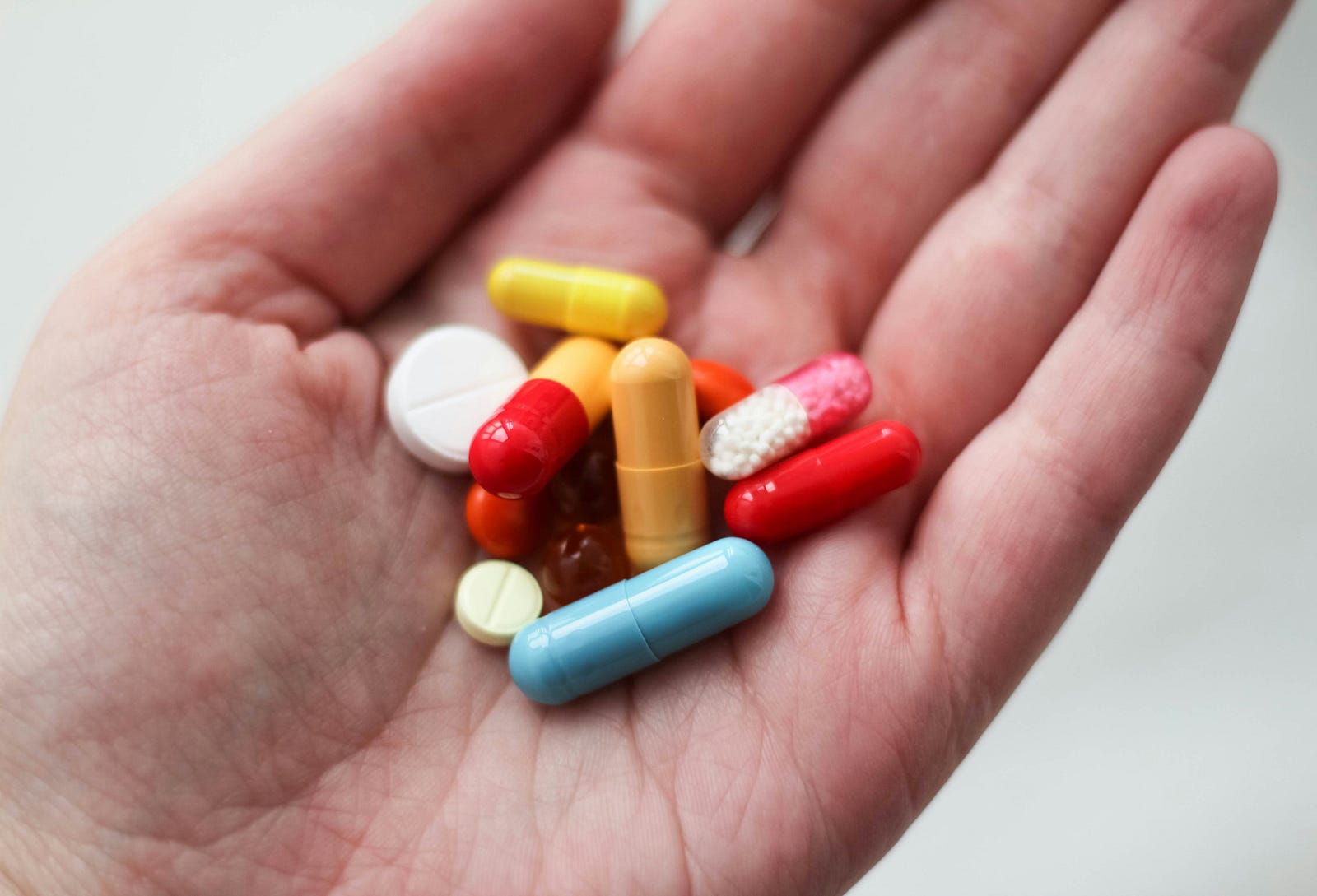
The reality is much simpler than most people realize. Many antidepressants, especially SSRIs like sertraline (Zoloft), escitalopram (Lexapro), and fluoxetine (Prozac), can cause sexual side effects. They may reduce desire, delay orgasm, make orgasms feel less intense, or make them difficult to achieve altogether. It doesn’t happen to everyone, but it happens often enough that healthcare providers see it regularly. Knowing that doesn’t magically fix the problem, but it does something almost as important. It replaces fear with an explanation. And sometimes that’s exactly what people need to stop blaming themselves.
Ironically, the hardest part often isn’t the physical side effect. It’s everything that follows. People start wondering whether their partner notices. They worry they’re disappointing someone they love. They wonder whether they should pretend everything is fine just to avoid another awkward conversation. Before long, intimacy stops feeling spontaneous and starts feeling like a performance. Instead of enjoying the moment, they’re mentally keeping score. Maybe tonight it’ll happen. Maybe this time. Maybe next weekend. The more pressure there is to reach an orgasm, the harder it often becomes. What used to feel natural suddenly feels like another thing to succeed at.
One of the biggest mindset shifts is realizing that intimacy doesn’t have to revolve around a single outcome. Many couples discover that when they stop treating orgasm as the finish line, they actually enjoy being together more. Sometimes that means slowing everything down. Sometimes it means laughing when things don’t go according to plan. Sometimes it simply means letting go of the expectation that every intimate moment has to end the same way. Strangely enough, removing the pressure often makes people feel closer, even if nothing else changes overnight.
There are practical changes that can help too. Some antidepressants reduce natural lubrication, which can make intimacy uncomfortable even when desire is still there. That’s a medication side effect, not a personal failure. A good water-based lubricant can make a meaningful difference. Two of the most commonly purchased and trusted options in the U.S. are Astroglide Liquid Water-Based Personal Lubricant and Good Clean Love BioNude Ultra Sensitive Personal Lubricant. They’re popular because they’re gentle, widely available, and work well for many people. Sometimes solving a physical problem is exactly that, a practical solution, not a reflection of the relationship.
Another surprisingly helpful habit has nothing to do with the bedroom. Regular movement, whether it’s walking after dinner, lifting weights, practicing yoga, or dancing around the kitchen while making dinner — can help people reconnect with their bodies. Exercise doesn’t magically erase medication side effects, but it often helps shift the focus from “My body is failing me” to “My body is doing its best while adjusting.” That small change in perspective can make a bigger difference than people expect.
Perhaps the most important step, though, is having an honest conversation with a healthcare provider. Many people avoid bringing it up because it feels embarrassing, only to discover that it’s one of the most common concerns providers hear from patients taking antidepressants. There may be options worth discussing. Sometimes adjusting the dose helps. Sometimes switching medications helps. Certain antidepressants, such as bupropion, tend to cause fewer sexual side effects for many people and may be appropriate in some situations. Those decisions should always be made with a healthcare provider. Antidepressants should never be started, stopped, or changed without medical guidance.
Mental health and sexual health aren’t competing priorities. Both deserve attention. Feeling emotionally healthier shouldn’t mean silently accepting a side effect that’s affecting an important part of life. At the same time, experiencing a sexual side effect doesn’t mean the medication has failed or that treatment should simply be abandoned. It means it’s time to ask questions, have an honest conversation, and explore the options that might work best.
If there’s one thing more people need to hear, it’s this: they’re probably being much harder on themselves than they need to be. It’s easy to assume attraction has disappeared, that the relationship is in trouble, or that something is fundamentally wrong. But sometimes the answer is far less dramatic. Sometimes it’s simply a medication side effect that nobody warned them about. If this sounds familiar, know that you’re not imagining it, and you’re certainly not alone. You don’t have to quietly accept it, and you don’t have to figure it out by yourself. Taking care of your mental health and having a fulfilling sex life shouldn’t be an either-or decision. You deserve both.

Disclosure: As an Amazon Associate, I may earn from qualifying purchases, but this does not affect my recommendations.I only suggest products I’ve personally vetted.


Leave a Reply