
And three surprisingly simple things that helped me stop living like a human browser tab
I really appreciate you checking out my blog! Just so you know, some of the links in this post are affiliate links. This means that if you buy something through them, I might earn a little bit of money, at no extra cost to you. There’s absolutely no pressure to buy anything, but if you do, it genuinely helps support the time and love I put into writing these posts.
A few weeks ago, I caught myself doing something that felt absurdly normal. I was standing in my kitchen with the refrigerator door open, scrolling through my phone while half-listening to a podcast and mentally planning next week’s schedule. At some point, I realized I wasn’t actually doing any of those things well. The milk was getting warm, the podcast had become background noise, and my brain was already racing toward tomorrow before I’d even finished today. It made me wonder something that I suspect many of us are quietly wondering in 2026: when did being busy become our default setting?
Somewhere along the way, life started feeling like an endless series of tabs left open in a browser. There’s always another notification, another email, another headline, another recommendation for how to optimize ourselves. We have apps reminding us to drink water, apps tracking our sleep, apps measuring our steps, and somehow we’re still exhausted. Not because we’re lazy. Not because we’re failing. But because modern life has become incredibly good at keeping our attention in motion.
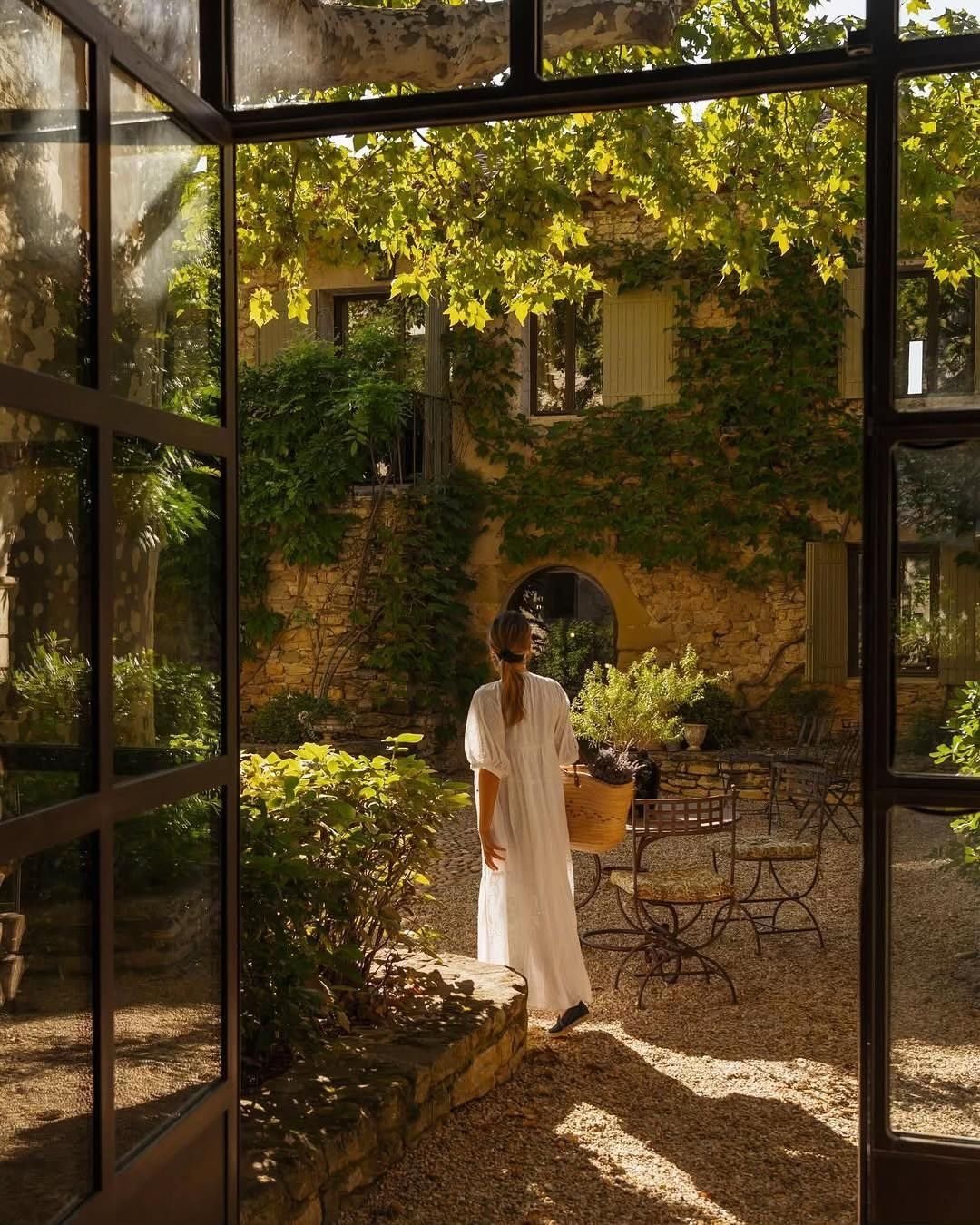
That’s why I’ve become fascinated by the idea of slow living. Not the Instagram version with perfectly folded linen blankets and fresh sourdough cooling on a farmhouse table. I’m talking about the real version. The kind that happens in ordinary homes with unfolded laundry, overflowing inboxes, and people trying their best. Slow living isn’t about escaping life. It’s about experiencing it while it’s happening.
One of the first changes I made was surprisingly small. For years, my phone was the first thing I touched every morning. Like most people, I’d tell myself I was only checking the time. Then somehow five minutes turned into twenty. I’d read emails before getting out of bed, scan headlines that raised my blood pressure, and absorb opinions from strangers before I’d even brushed my teeth. My day was starting with everyone else’s priorities instead of my own. That’s when I switched to a Loftie Alarm Clock. On paper, it seems ridiculous to buy a separate alarm clock when a phone can do the same thing. But that’s exactly the point. My phone now stays across the room. The first thing I see each morning isn’t a screen demanding my attention. It’s sunlight coming through the window. It’s my coffee brewing. It’s my own thoughts. And honestly, I’d forgotten how good that feels.
That tiny change led me to notice something else. A lot of what I thought was stress was actually mental clutter. Random reminders, grocery lists, half-finished ideas, appointments, things I didn’t want to forget. I was carrying all of it around in my head like a backpack filled with rocks. So I picked up a LEUCHTTURM1917 notebook and started writing things down. Nothing fancy. No elaborate journaling routine. No color-coded system. Just a place where my thoughts could live instead of bouncing around endlessly in my brain. What surprised me wasn’t how much I wrote. It was how much lighter I felt afterward. Sometimes a problem looks enormous when it’s floating around in your head and surprisingly manageable once it’s sitting quietly on paper.
The third change happened almost by accident. One evening, after another long day staring at screens, I noticed how harsh the lighting in my house felt. Every overhead light seemed determined to convince me I was still at work. So I bought a Govee Table Lamp 2 and started using it in the evenings instead. It sounds silly even as I write it, but softer lighting changed the entire mood of my home. Dinner felt slower. Reading became more appealing. Conversations stretched longer. My evenings stopped feeling like the final sprint of the day and started feeling like a transition into rest. It’s amazing how often we underestimate our environment’s influence on our state of mind.
What’s funny is that none of these products are life-changing on their own. An alarm clock won’t solve burnout. A notebook won’t eliminate stress. A lamp won’t magically create inner peace. But together they do something important. They create tiny moments of friction against the speed of modern life. They remind me that not every moment needs to be optimized, documented, monetized, or shared. Some moments are valuable simply because they’re ours.
I think that’s what slow living really means now. It’s not about doing less. It’s about noticing more. The smell of coffee before the first sip. The sound of rain hitting the roof. A conversation that isn’t interrupted by checking a notification. A walk without headphones. A meal eaten at a table instead of over a keyboard. None of these things will trend online. Nobody’s building a billion-dollar app around them. Yet they’re often the moments we remember most.
So here’s the question I’ve been sitting with lately. If someone secretly followed you around for a week, what would they conclude gets the best of your attention? Your phone? Your inbox? Your to-do list? Or your actual life? There’s no wrong answer. Most of us are navigating the same noisy world. But I think it’s a question worth asking because attention is becoming one of the most valuable resources we have. Every company wants it. Every app competes for it. Every notification is asking for a piece of it. Slow living, at its core, is simply deciding that some of that attention belongs to you.
I’d genuinely love to hear your answer. What’s one small thing you’ve done recently that made life feel slower, calmer, or more human? Hit reply and tell me. I read every response, and honestly, some of the best ideas shared in this newsletter come from readers just like you. If conversations like this resonate with you, stick around. Every week, we’ll explore simple ways to feel healthier, calmer, and more connected in a world that’s constantly asking us to speed up. Subscribe here for more.
Disclosure: As an Amazon Associate, I may earn from qualifying purchases, but this does not affect my recommendations.I only suggest products I’ve personally vetted.


Leave a Reply