
Why nobody trusts themselves anymore, and honestly, our devices are okay with that

A quick note from me: I really appreciate you checking out my blog! Just so you know, some of the links in this post are affiliate links. This means that if you buy something through them, I might earn a little bit of money, at no extra cost to you. There’s absolutely no pressure to buy anything, but if you do, it genuinely helps support the time and love I put into writing these posts.
I watched someone last week spend seventeen minutes deciding whether to text their ex. Not seventeen seconds. Seventeen full minutes. Phone scrolling. App checking. Asking a group chat in three different time zones. Not even deciding. Just… looking for someone else to do it.
What used to take two seconds of gut feeling now takes a committee meeting with devices.
Here’s what I’m noticing: we stopped making decisions. We’re just getting permission now. We check our phones, consult an algorithm, wait for external confirmation, and then act like we chose something. We didn’t. We facilitated something. There’s a difference, and it’s destroying us in ways we’re still too busy to name.
Think about the last time you actually felt something without immediately checking if you were supposed to feel that. Not like, a basic emotion. I mean that floaty, uncomfortable, unsure thing. Where you don’t know yet. Where you’re still listening. Most people don’t sit there anymore. They reach. They grab a meditation app. They check their productivity dashboard. They ask the internet what they should think about this.
And we keep buying products that make us better at not listening to ourselves.
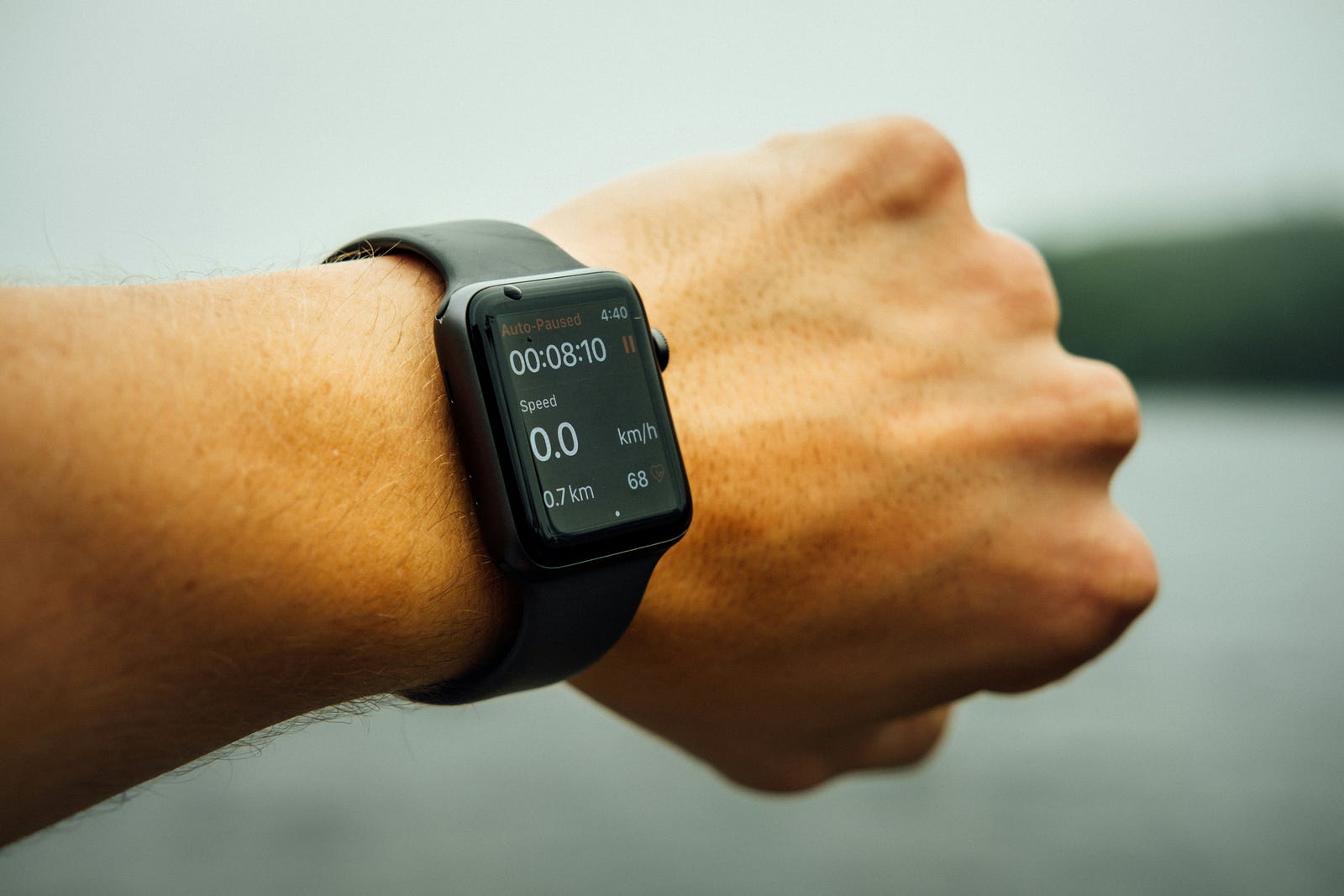
Last year someone I know bought one of those premium fitness trackers. Not just a watch. The expensive one. Heart rate variability, sleep stages, recovery metrics, the whole thing. Two hundred dollars upfront, subscription for the analysis. They wanted to understand their body. Four months in, obsessively checking the app every morning, adjusting workouts based on color-coded alerts, they had this moment of actual panic. They realized they no longer knew if they were tired. The device knew. The algorithm knew. They didn’t. They’d outsourced fatigue to a machine, and now they couldn’t tell the difference between their own exhaustion and what a dashboard was telling them they should feel.
That’s the thing about outsourcing. It’s efficient. It’s exact. And it makes you worse at knowing yourself.
Wireless earbuds do something similar but sneakier. Everyone has them now. You put them in and you seal yourself off from the entire world. Completely. You get to decide what goes into your ears at every single moment. Sounds like freedom until you realize what you’re actually doing: you’re not reading the room anymore. You’re not picking up on the tone someone didn’t say. You’re not sitting with awkward silence and learning anything from it. You’re curating your entire psychological environment into something so perfectly comfortable that your intuition has nothing to work with. Your gut can’t learn if it never has to navigate actual complexity.
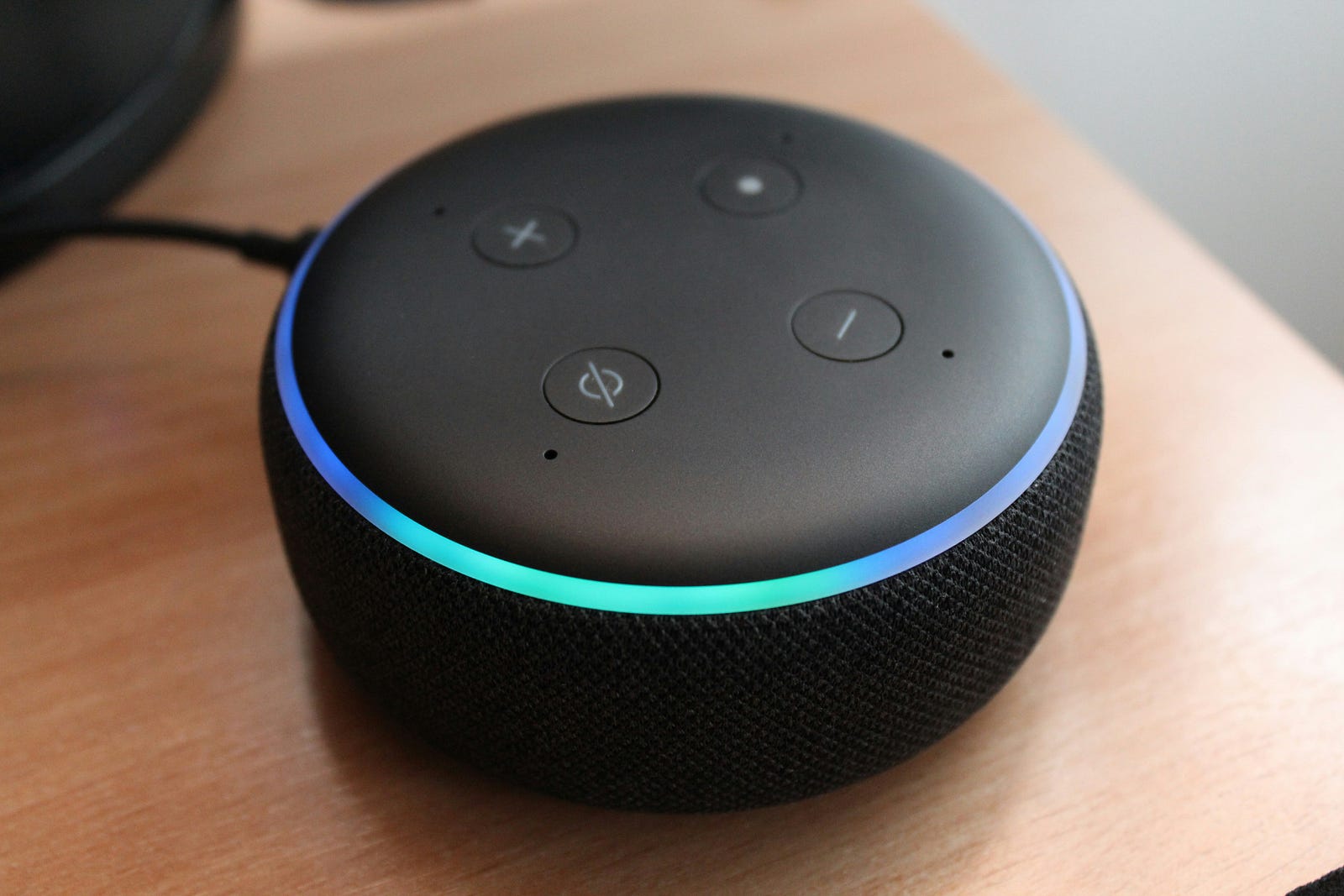
And then there’s the smart speaker sitting on someone’s nightstand or kitchen counter. Alexa. Google Home. Whatever you have. These devices have become the person we ask when we don’t want to think. What’s the weather? Ask the speaker. What time is it? Ask the speaker. Should I go to the gym today? Should I text them back? Should I be worried about this? We’re literally outsourcing the act of asking ourselves questions.
That sounds paranoid until you notice that most people can’t sit in silence anymore. They can’t be alone with their thoughts. Not because they’re anxious (though they are), but because they’ve trained themselves to delegate thinking to devices. The speaker answers before you finish asking. The algorithm responds before you finish wondering. Your body tells the tracker what it needs before your gut has a chance to whisper.
Here’s the thing: comfort has become a requirement for everything. Including self-knowledge.
We’ve decided that understanding yourself should come from measuring, tracking, quantifying. That if you collect enough data about yourself, eventually you’ll know who you are. That’s backwards. Self-knowledge is the thing that happens in the gaps. It’s three in the morning knowing something is wrong and not being able to explain it to anyone because there’s no data point. It’s making a choice that doesn’t optimize anything, doesn’t look good on a dashboard, but feels true. That’s intuition. That’s the thing we’re systematically dismantling with every purchase.
The weird part is we know this is happening. People buy these things and then immediately feel worse. More anxious. More dependent on checking the app. More convinced they can’t trust their own body or mind. But the solution isn’t to stop buying the products. The solution is to just… check the app more. Get the premium version. Upgrade to the better model. Let the algorithm get smarter about you.
It’s not that apps are evil. They’re not. I have a phone. I check my email. I use these things. But what we’re trading in the transaction is our relationship with ourselves. Every micro-decision we outsource, which route to take, what notification to open, whether we should respond to that text, we’re teaching ourselves that we’re not trustworthy. That something else knows us better than we know ourselves. That the device’s read on our body or our mood or our day is more accurate than our own.
And if that’s true, then who are we even listening to anymore?
This isn’t about being anti-technology. It’s about noticing what we’re not developing while we’re busy optimizing. You can’t build intuition if everything is frictionless. You can’t learn to trust yourself if you’re always checking with something else first. You can’t develop real self-knowledge if your device is better at knowing you than you are.
Most people have noticed this. They feel weird and out of touch. They can’t sit alone. They panic if their phone dies. They don’t know if they’re actually tired or just getting a low-battery notification from their body. But instead of changing anything, they buy a better device. A better app. A more sophisticated way to avoid having to know themselves.
I think there’s a way out of this. But it requires getting boring. Uncomfortable. Unplugged, kind of. It requires making decisions without consulting your devices first. It requires sitting with uncertainty and actually listening instead of immediately reaching for an answer.
I’m thinking through this every week on my Substack. Not as a self-help thing. As a survival thing. How to actually hear yourself when the apps are designed specifically so you don’t have to. What it takes to rebuild trust with your own body, your own instincts, your own gut in 2026.
It’s not a lot of people doing this. Most people are getting a newer speaker, a better tracker, a smarter phone. But if you’re curious about what’s on the other side of outsourcing everything, if you want to actually remember how to listen to yourself without an algorithm translating, come read with me.

Subscribe on Medium and Substack
Disclosure: As an Amazon Associate, I may earn from qualifying purchases, but this does not affect my recommendations. I only suggest products I’ve personally vetted.


Leave a Reply