
The body part most women never think about…until someone says the word “abnormal.”

I really appreciate you checking out my blog! Just so you know, some of the links in this post are affiliate links. This means that if you buy something through them, I might earn a little bit of money, at no extra cost to you. There’s absolutely no pressure to buy anything, but if you do, it genuinely helps support the time and love I put into writing these posts.
There are certain words that can completely change the direction of your day. “Abnormal” is one of them. It doesn’t matter whether you’re answering emails, sitting in a meeting, making dinner, or finally relaxing on the couch after a long day. The second that word is connected to your health, everything else fades into the background. Suddenly your brain starts asking questions you weren’t asking five minutes ago. What does this mean? Did I miss something? Am I okay? It’s amazing how quickly our minds can go there.
The truth is, most of us don’t spend much time thinking about our cervix until we’re reminded that we have one. We think about work deadlines, our kids, our aging parents, our relationships, the never-ending grocery list, and whether we remembered to switch the laundry. Preventive health usually ends up somewhere near the bottom of the list — not because we don’t care, but because life is loud. It’s easy to keep telling ourselves we’ll schedule that screening “next month.” Then next month quietly becomes next year.
I’ve noticed something about women, especially the ones everyone else thinks have it all together. They’re the planners. The problem-solvers. The women who somehow remember everyone’s birthday, show up when people need them, and keep their families running. But when it comes to their own health, they’re often the first ones to say, “I’ll get around to it.” If that sounds familiar, you’re far from alone. Most of us aren’t neglecting ourselves on purpose. We’re simply busy taking care of everyone else.
Here’s the reassuring part. Protecting your cervical health isn’t about finding one magical food or following another complicated wellness trend. The most effective ways to reduce your risk of cervical cancer are still the ones backed by years of research: staying up to date with HPV vaccination if it’s recommended for you, getting regular HPV and Pap screenings, avoiding smoking, and following up with your healthcare provider if anything abnormal comes up. Those steps matter more than anything else.
But that doesn’t mean food doesn’t matter. It absolutely does, just in a different way than social media often makes it sound. No fruit, vegetable, or supplement can prevent cervical cancer. If it could, we’d all know about it by now. What food can do is support your immune system, which plays an important role in helping your body do what it’s designed to do. Since most cervical cancers are linked to persistent HPV infection, supporting your overall health through good nutrition is one meaningful piece of the bigger picture.
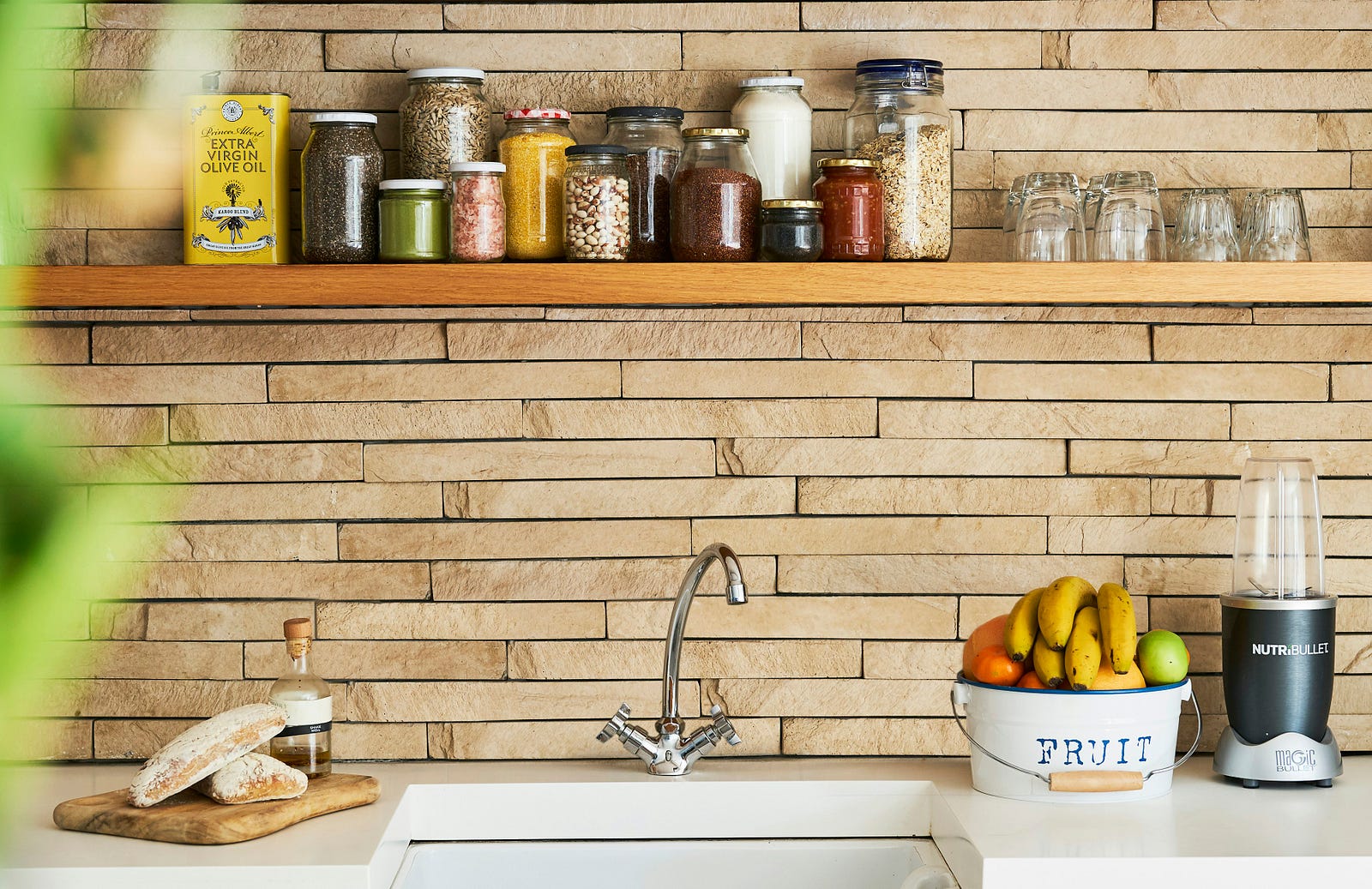
That’s actually good news, because it means you don’t have to chase expensive powders or trendy cleanses. Most of the foods that support your health are probably already sitting in your grocery store.
Let’s start with leafy greens. I don’t know who needs to hear this, but buying spinach and actually eating spinach are apparently two completely different hobbies. I can’t tell you how many bags of spinach have ended up forgotten in the back of the refrigerator because I had ambitious plans to become the kind of person who eats giant salads every day. It turns out I didn’t need to become a different person. I just needed a different strategy.
Now I throw spinach into scrambled eggs, soups, pasta sauce, tacos, smoothies, or anything else I’m already making. I barely notice it’s there, but those little handfuls add up over time. Leafy greens like spinach, kale, collards, and arugula provide folate and other nutrients that support healthy cells, and they’re a lot easier to eat consistently when you stop expecting yourself to suddenly love salads seven days a week.
Then there are berries, which honestly deserve every bit of the hype they get. Blueberries, strawberries, raspberries, and blackberries are naturally rich in antioxidants that help protect your cells from everyday oxidative stress. The best part is they don’t feel like “health food.” They feel like something you actually want to eat. Toss them into plain Greek yogurt, oatmeal, or a smoothie, or just grab a handful after dinner when you’re craving something sweet. Sometimes the healthiest habit is simply replacing one choice with another you’ll actually enjoy.
Colorful vegetables deserve a permanent place on your plate too. Bell peppers, carrots, tomatoes, broccoli, Brussels sprouts, and sweet potatoes provide nutrients like vitamins A and C that help support normal immune function. Instead of stressing over whether every meal is perfectly balanced, I like asking one simple question: Does my plate have more color today than it did yesterday? It’s such an easy shift in thinking, but somehow it makes healthy eating feel less overwhelming and a lot more realistic.
Another group of foods worth making room for is fermented foods like plain Greek yogurt, kefir, kimchi, and sauerkraut. Researchers are still learning more about how the gut microbiome influences overall health, including immune function, but we already know that feeding the beneficial bacteria in your gut is a smart investment in your long-term well-being. It doesn’t have to be complicated. Even adding a serving of plain yogurt with fresh berries a few times a week is a great place to start.
Of course, I don’t think lack of knowledge is why most people struggle to eat well. We already know vegetables are good for us. We know berries are healthier than cookies. The real problem is that life gets in the way. After a ten-hour workday, chopping vegetables can feel like one more task you don’t have the energy for. That’s why I’ve stopped relying on motivation and started relying on convenience instead.
One kitchen tool that makes healthy eating dramatically easier is the Mueller Pro-Series Mandoline Slicer. It slices cucumbers, carrots, zucchini, onions, and peppers in minutes, making salads, stir-fries, and snack boxes much less work. It’s one of those purchases that quietly changes your habits because healthy food suddenly becomes faster to prepare than takeout.
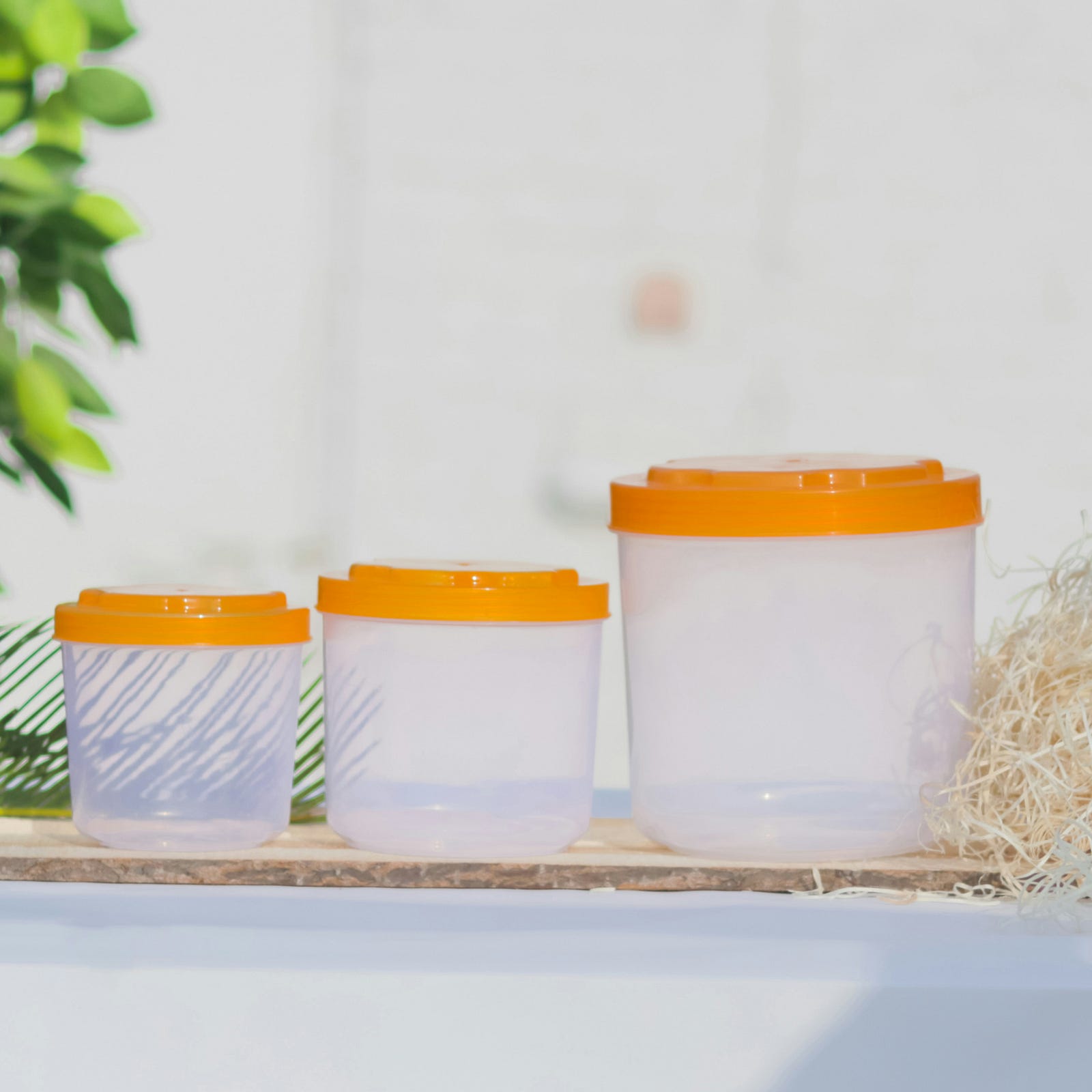
Another favorite is the JoyJolt Glass Food Storage Container Set. When healthy leftovers are already portioned into containers, tomorrow’s lunch practically takes care of itself. Somehow opening the refrigerator and seeing ready-to-go meals makes healthy decisions feel almost automatic instead of requiring another burst of willpower.
And if mornings always feel rushed, the Nutribullet Ultra Personal Blender is worth every bit of counter space. Frozen berries, spinach, plain Greek yogurt, a spoonful of ground flaxseed, and milk turn into breakfast in under a minute. It’s simple, filling, and makes it incredibly easy to eat more of the foods your body benefits from without overthinking it.
What I love most about all of this is that none of it requires perfection. You don’t have to overhaul your entire diet overnight. You don’t need to swear off every dessert or promise yourself you’ll never order pizza again. Health isn’t built by one perfect meal. It’s built by hundreds of ordinary meals that slowly become your normal.
So if it’s been a while since you’ve scheduled your screening, let this be your gentle reminder to move it to the top of your to-do list. And while you’re making your grocery list this week, maybe add a bag of spinach, a carton of blueberries, some colorful vegetables, and a container of plain Greek yogurt. They’re not miracle foods, but they’re small choices that support a healthier body over time. Sometimes the biggest acts of self-care don’t look dramatic at all. Sometimes they look like quietly choosing yourself before you ever have a reason to be scared.

I’d love to hear from you. What’s one healthy habit you’ve been putting off, not because you don’t care, but because life keeps getting in the way? Leave a comment below. I read every one of them, and chances are someone else has been struggling with the exact same thing. And if you enjoy honest, science-backed wellness advice that feels more like a conversation than a lecture, I’d love for you to subscribe. Every week, we’ll take one small step toward better health together.
Disclosure: As an Amazon Associate, I may earn from qualifying purchases, but this does not affect my recommendations.I only suggest products I’ve personally vetted.


Leave a Reply