
What if the wellness reset you’ve been looking for isn’t another supplement… but one weekend of finally leaving your body alone?

I really appreciate you checking out my blog! Just so you know, some of the links in this post are affiliate links. This means that if you buy something through them, I might earn a little bit of money, at no extra cost to you. There’s absolutely no pressure to buy anything, but if you do, it genuinely helps support the time and love I put into writing these posts.
I used to think feeling “off” meant something needed fixing. Maybe I needed a better supplement. A new morning routine. A different workout. Another productivity app that promised I’d finally get my life together. Every time I felt tired or bloated or mentally foggy, my first instinct was to add something. Buy something. Optimize something. It took me a long time to realize my body wasn’t asking for more. It was asking for less.
Less noise. Less rushing. Less processed food. Less staring at screens until my eyes hurt. Less treating every single day like it was a race I couldn’t afford to lose.
And honestly? I don’t think I’m the only one.
Somewhere along the way, we stopped having quiet moments. We answer emails while eating lunch. We scroll while watching TV. We listen to podcasts while folding laundry because even silence somehow started feeling unproductive. We’ve become so good at filling every empty space that we’ve forgotten empty spaces are where our bodies actually recover.
That’s probably why I keep coming back to the philosophy behind Panchakarma.
Now, to be clear, traditional Panchakarma isn’t something you do by yourself at home. It’s a comprehensive Ayurvedic therapy performed under the guidance of trained practitioners, and it can include treatments that should never be attempted without professional supervision. But what fascinates me is the idea behind it. Instead of asking, “What can I add?” it asks, “What can I gently remove so the body can do what it already knows how to do?”
That question hit me harder than I expected.
Because maybe the reason so many of us feel exhausted isn’t that our bodies are broken. Maybe they’ve just never been given a chance to catch up.
So every few months, I create what I think of as a gentle Panchakarma-inspired weekend at home. Not a detox. Not a cleanse. Not one of those weekends where you’re hungry, cranky, and secretly counting the hours until you can eat pizza again. Just two days where I stop making my body work so hard.
It starts on Friday night.
Not Monday.
Monday already comes with enough pressure.
Friday is when I decide I’m done trying to squeeze one more productive thing into the day. Dinner becomes intentionally simple. A bowl of soup. Rice with vegetables. Maybe lentils. Food that’s warm, nourishing, and easy to digest. Nothing fancy. Nothing that requires twelve ingredients or a dozen dirty dishes. It’s funny how quickly your body notices when you’re no longer asking it to process heavy meals after an already exhausting week.
Then I do something that still feels surprisingly difficult.
I put my phone in another room.
Not face down on the table.
Not on silent beside me.
Actually somewhere I have to get up to reach.
The first fifteen minutes feel strange. My hand almost reaches for it automatically. That’s when I realize I wasn’t checking my phone because I needed anything. I was checking it because my brain had forgotten how to simply exist without constant stimulation.
Saturday morning becomes my favorite part of the weekend.
No rushing.
No alarm if I can help it.
Just a glass of warm water before anything else. Ayurveda has emphasized warmth for thousands of years, and whether or not you follow Ayurveda, there’s something comforting about starting the day gently instead of shocking your body awake.
One of my favorite rituals is abhyanga, or self-oil massage. It sounds far more complicated than it actually is. You simply warm a little oil in your hands and slowly massage your arms, shoulders, legs, abdomen, and feet before taking a warm shower. That’s it.
The first time I tried it, I honestly thought I’d just end up feeling greasy.
Instead, something unexpected happened.
About halfway through, I realized I hadn’t thought about work in several minutes.
I wasn’t planning tomorrow.
I wasn’t replaying yesterday.
I wasn’t mentally answering emails.
I was just… there.
That alone made the whole ritual worth repeating.
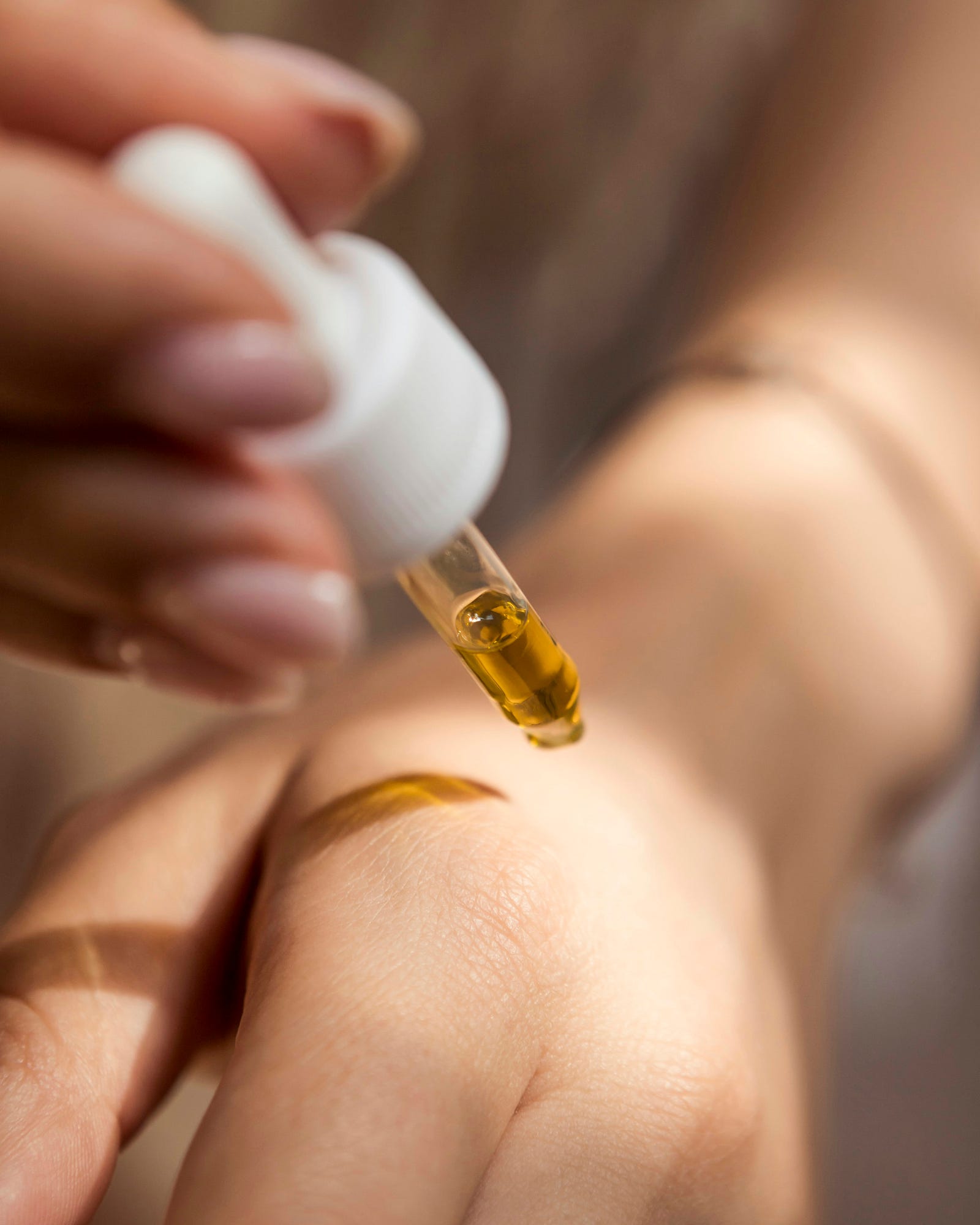
If you’re looking for an easy place to start, Banyan Botanicals Organic Massage Oil is one of the most trusted Ayurvedic massage oils you’ll find on Amazon. It’s made specifically for self-massage, uses organic ingredients, and has become a favorite because it feels nourishing without being overly complicated. Sometimes the best wellness products are the ones that quietly become part of your routine instead of demanding your attention.
Then comes the habit that almost everyone laughs about until they try it.
Tongue scraping.
I know.
It sounds weird.
It looks even weirder.
But after using a GuruNanda Copper Tongue Scraper for a few mornings, it became one of those tiny habits I genuinely missed whenever I skipped it. It takes less than thirty seconds, helps remove the coating that naturally builds up overnight, and somehow makes my whole mouth feel cleaner before I even brush my teeth.
Not every wellness habit needs to be exciting.
Some just need to work.
The rest of the day stays wonderfully uneventful.
Warm oatmeal for breakfast.
Soup for lunch.
Simple vegetables with rice for dinner.
Herbal tea instead of another coffee.
No complicated recipes.
No cheat meals.
No guilt.
No obsessing over calories.
Just giving my digestive system a chance to take a deep breath.
I think we’ve spent so much time asking food to entertain us that we’ve forgotten it can also comfort us.
One of the things I appreciate most about Panchakarma isn’t actually about food.
It’s about attention.
We talk a lot about detoxing our bodies.
Almost nobody talks about detoxing our minds.
Think about how many times you switch your attention in a single hour.
Email.
Text.
Instagram.
Slack.
Breaking news.
Back to email.
It’s exhausting.
During these weekends, I don’t try to avoid technology completely. I just stop letting it interrupt every few minutes. I read a book. Sit outside with a cup of tea. Take a walk without headphones. Call someone who makes me laugh instead of someone who needs something from me.
It’s amazing how much calmer life feels when every moment isn’t competing for your attention.
One product I always keep nearby is Organic India Tulsi Original Herbal Tea. Tulsi, often called holy basil, has been used in Ayurveda for centuries, and the tea has become incredibly popular in the U.S. because it’s warm, naturally caffeine-free, and easy to enjoy throughout the day. Sometimes replacing one afternoon coffee with a warm cup of tulsi tea feels less like giving something up and more like giving yourself permission to slow down.
By Sunday evening, something interesting happens.
I don’t feel like a completely different person.
I just feel like myself again.
My shoulders aren’t as tense.
My stomach feels calmer.
I’m sleeping better.
I don’t feel as reactive.
I notice little things again.
The breeze coming through an open window.
Birds outside in the morning.
The way warm tea actually tastes when I’m not drinking it while answering emails.
Maybe that’s what real wellness has been all along.
Not becoming a new person.
Just finding your way back to the version of yourself that existed before life became so loud.
We’re constantly told that better health is one purchase away. One supplement. One gadget. One app. One biohack. But the older I get, the more I believe our bodies are asking for something much simpler.
More warmth.
More rest.
More quiet.
More moments where nothing is expected from us.
And maybe that’s why the principles behind Panchakarma continue to resonate after thousands of years. Not because they promise a miracle, but because they remind us of something we’ve forgotten.
Our bodies are incredibly good at healing.
Sometimes they just need us to stop getting in the way.
A quick note: Traditional Panchakarma is a specialized Ayurvedic therapy that should only be performed under the guidance of a qualified practitioner. The ideas shared here are simply inspired by its core principles and are intended as gentle self-care practices, not as a substitute for medical care or authentic Panchakarma.
If you enjoy practical wellness that’s rooted in both ancient wisdom and modern life, without the guilt, the hype, or the impossible routines, I think you’ll feel right at home here. That’s exactly the conversation I hope to keep having with you.

Disclosure: As an Amazon Associate, I may earn from qualifying purchases, but this does not affect my recommendations.I only suggest products I’ve personally vetted.


Leave a Reply