
Sometimes the first place your hormones show up isn’t your skin or your mood. Sometimes…it’s your mouth.

I really appreciate you checking out my blog! Just so you know, some of the links in this post are affiliate links. This means that if you buy something through them, I might earn a little bit of money, at no extra cost to you. There’s absolutely no pressure to buy anything, but if you do, it genuinely helps support the time and love I put into writing these posts.
One morning I was looking in the mirror and I noticed something. My lips were really dry. So I drank more water. I got a new lip balm. I even changed my toothpaste because maybe that was it. For a few days I told myself it was just the weather. Then my gums started bleeding a little when I flossed. A week later I got a tiny sore in my mouth that made eating tortilla chips hurt really bad. That’s when I figured it out. We spend so much time fixing little problems that we don’t stop to ask why they happened in the first place.
Maybe you had something like this too. Your mouth just doesn’t feel normal anymore. It’s not bad enough to call your doctor, but something is different. Your breath doesn’t stay fresh for long. Your tongue feels dry even though you drink lots of water. Your gums feel more sore than they used to. Food tastes funny. So you brush your teeth more, buy new mouthwash, chew more gum, and tell yourself it’s probably just because you’re stressed.
And sometimes it is stress.
But sometimes your hormones are changing things that you can’t see.
Nobody really tells us about this stuff. We hear about pimples, hot flashes, mood swings, losing hair, getting fat, and not being able to sleep. Everyone talks about those things. But your mouth has been trying to tell you something this whole time, and most people don’t think to put the pieces together.
One big sign is a really dry mouth. Not the kind that goes away after you drink some water, but the kind where you wake up at night because your mouth feels like a fan is blowing on it. You keep drinking water during meetings. You can’t eat crackers without taking a drink after each bite. Your lips stay dry no matter how much lip balm you use. If that sounds like you, something bigger might be going on.
Estrogen helps your body make spit. When estrogen changes, like during menopause or after you have a baby or when you’re really stressed, your body makes less spit. Most of us don’t think about spit until we have less of it. But spit is really important. It gets rid of bad bacteria, protects your teeth, keeps your mouth comfortable, and helps stop bad breath. When you have less spit, bacteria can stick around easier, and your mouth feels different even if you brush really good.
Your gums can change too. If they start bleeding even though you brush the same way, you probably think you need to floss more. Maybe you do. But hormones can make your gums more sensitive to swelling. That’s why dentists see gum problems when women are pregnant. And lots of women notice it during menopause too. Your toothbrush didn’t get rougher. Your body just changed how it reacts.
And those little sores that show up when life is already hard? They always show up in the worst place. Drinking coffee hurts. Eating salsa hurts. Even smiling is annoying. Stress hormones affect your immune system, and hormone changes make these little sores happen more. It’s another way your mouth is telling you that something inside your body is going on.
I learned something that changed how I think about being healthy. Our bodies don’t usually scream. They whisper first. They give you little hints that are easy to ignore because each one seems too small to matter. Dry mouth. Bleeding gums. Bad breath that won’t go away. Mouth sores. A change in how things taste. Each one of these things by itself doesn’t mean your hormones are changing. But when you get several of them at the same time, they’re worth thinking about instead of ignoring.
A lot of us make a mistake. We treat every problem like it’s totally separate. Dry mouth? Buy gum. Bad breath? Buy mouthwash. Sore gums? Buy a soft toothbrush. Mouth sores? Get numbing stuff. There’s nothing wrong with any of those things because they do make you feel better. But if you’re just fixing little problems without asking why they keep happening, you might miss the big picture.
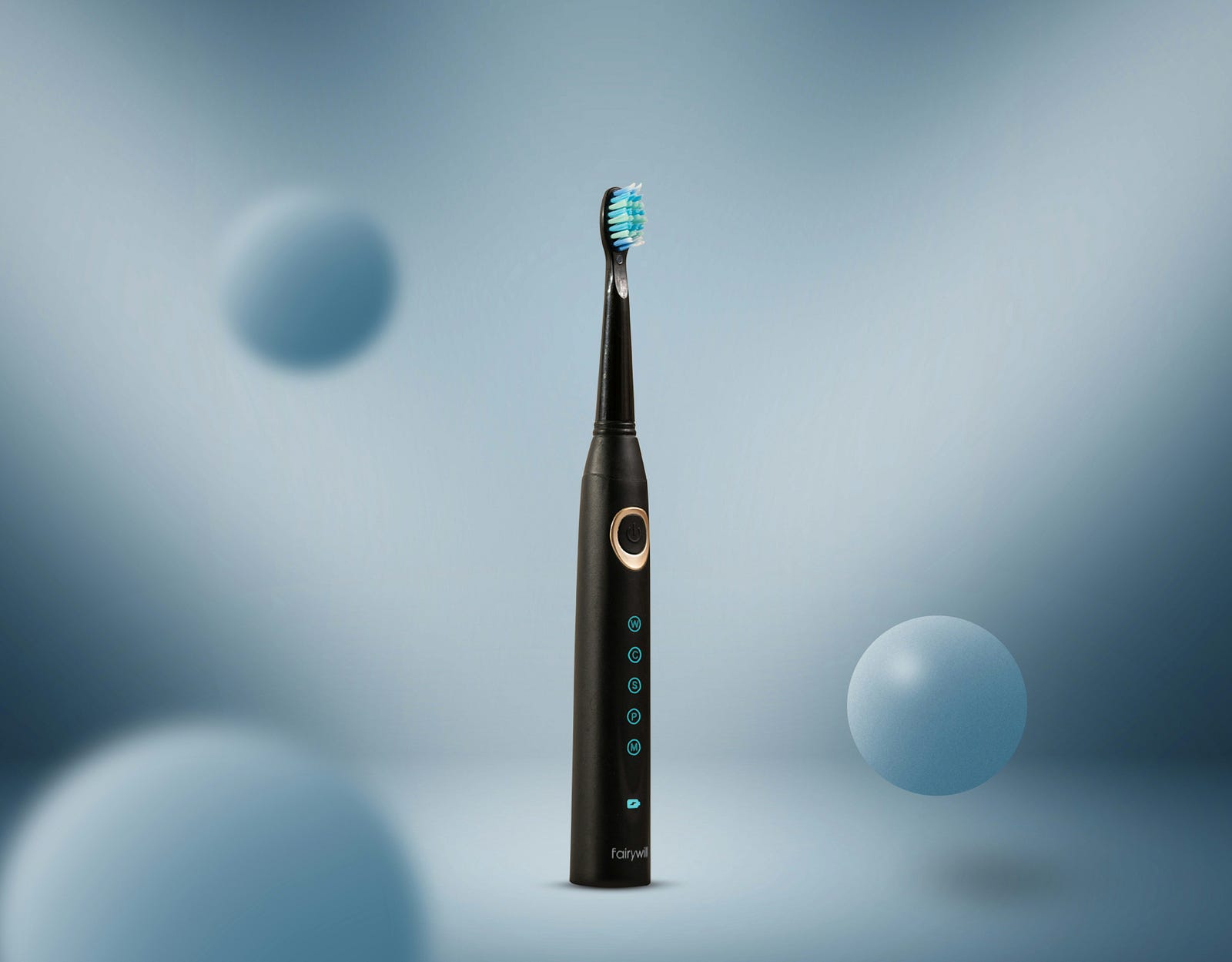
While you’re trying to figure out what’s going on, there are some products that are really popular because they work well. One is the Oral-B iO Electric Toothbrush. Lots of people buy it on Amazon. It gets more plaque off than a regular toothbrush and it’s nice to your gums if they’re sore. If your gums hurt, brushing harder doesn’t help. Brushing the right way helps more.
Another product you’ll find in lots of bathrooms is TheraBreath Fresh Breath Oral Rinse. If you’ve ever brushed your teeth and left the house and your breath wasn’t fresh an hour later, you know how annoying that is. TheraBreath can’t fix your hormones, and it shouldn’t try. But it can make you feel better while you talk to your doctor about what’s really happening.
And if your mouth is always dry at night, XyliMelts Dry Mouth Lozenges are something people keep buying because they work. They help your mouth make more spit while you sleep, so you don’t wake up feeling like you spent all night in the desert. It’s a small thing that makes mornings better.
The more I learn about how your body works, the more I see that everything is connected. Your mouth is connected to your hormones. Your hormones are connected to your immune system. Your immune system is connected to your stress. It’s all talking to each other inside your body every day. Sometimes you just notice one part first.
That’s why I stopped asking myself, “What’s wrong with me?” and started asking, “What is my body trying to tell me?” Those two questions lead to different answers. One comes from being scared. The other comes from wanting to know. And wanting to know usually gets you closer to real answers.
Your mouth can’t tell you that your hormones are messed up. Dry lips don’t always mean menopause. Bleeding gums don’t always mean your hormones are changing. Mouth sores don’t always mean something bad. But your body is really good at leaving clues before bigger problems happen. Learning to see those clues doesn’t make you worried. It makes you smart.
So next time your mouth feels a little different, don’t just get another toothpaste. Stop and think about what else has been different. How are you sleeping? How stressed are you? How’s your energy? Your period? Sometimes the thing you notice first isn’t the real problem. It’s just telling you something is going on.
I’d like to hear from you now. Has your body ever given you little hints, and you didn’t understand what they meant until later? Maybe it was your mouth. Maybe it was your skin, your stomach, or your sleep. Tell me. Other people reading this probably wondered the same thing.

Subscribe on Substack or here on Medium.
Disclosure: As an Amazon Associate, I may earn from qualifying purchases, but this does not affect my recommendations.I only suggest products I’ve personally vetted.


Leave a Reply