
I blamed getting older. Turns out, my legs were trying to tell me something completely different.

I really appreciate you checking out my blog! Just so you know, some of the links in this post are affiliate links. This means that if you buy something through them, I might earn a little bit of money, at no extra cost to you. There’s absolutely no pressure to buy anything, but if you do, it genuinely helps support the time and love I put into writing these posts.
I used to think feeling “heavy” at the end of the day was just part of being an adult. You know the feeling. You finally walk through the front door, kick your shoes off, and before you even think about making dinner, your first instinct is to prop your feet up on the nearest chair. Nothing actually hurts. Your legs just feel… done. Like they’ve been carrying more than just your body all day. I honestly figured everyone felt that way, so I never questioned it.
For years, I blamed everything except the real reason. Maybe I ate too much salt. Maybe I wasn’t drinking enough water. Maybe I needed to exercise more. Or maybe this was simply what getting older felt like. The funny thing is, we all joke about it. We compare the sock marks around our ankles after work, complain about swollen feet after a flight, or laugh about how good it feels to kick our legs up on the couch. Somewhere along the way, we accepted heavy legs as just another part of adulthood. But common doesn’t always mean normal.
One weekend changed how I thought about all of this. I spent an entire Saturday wandering through a small downtown area, popping into bookstores, grabbing coffee, walking by the river, and somehow ending up with far more steps than I’d taken all week. I expected my legs to be exhausted when I got home. Instead, they felt lighter than they had after an entire day of sitting on my couch the weekend before. That didn’t make any sense. How could moving more make my legs feel better than resting?
That question sent me down a rabbit hole, and I discovered something most of us barely think about: the lymphatic system. Unlike your heart, which constantly pumps blood throughout your body, your lymphatic system doesn’t have its own pump. It depends on movement. Every time your calf muscles contract while you walk, climb stairs, or even shift your weight from one foot to the other, they help move lymph fluid through your body. It’s almost like your calves have a second full-time job that nobody ever tells us about.
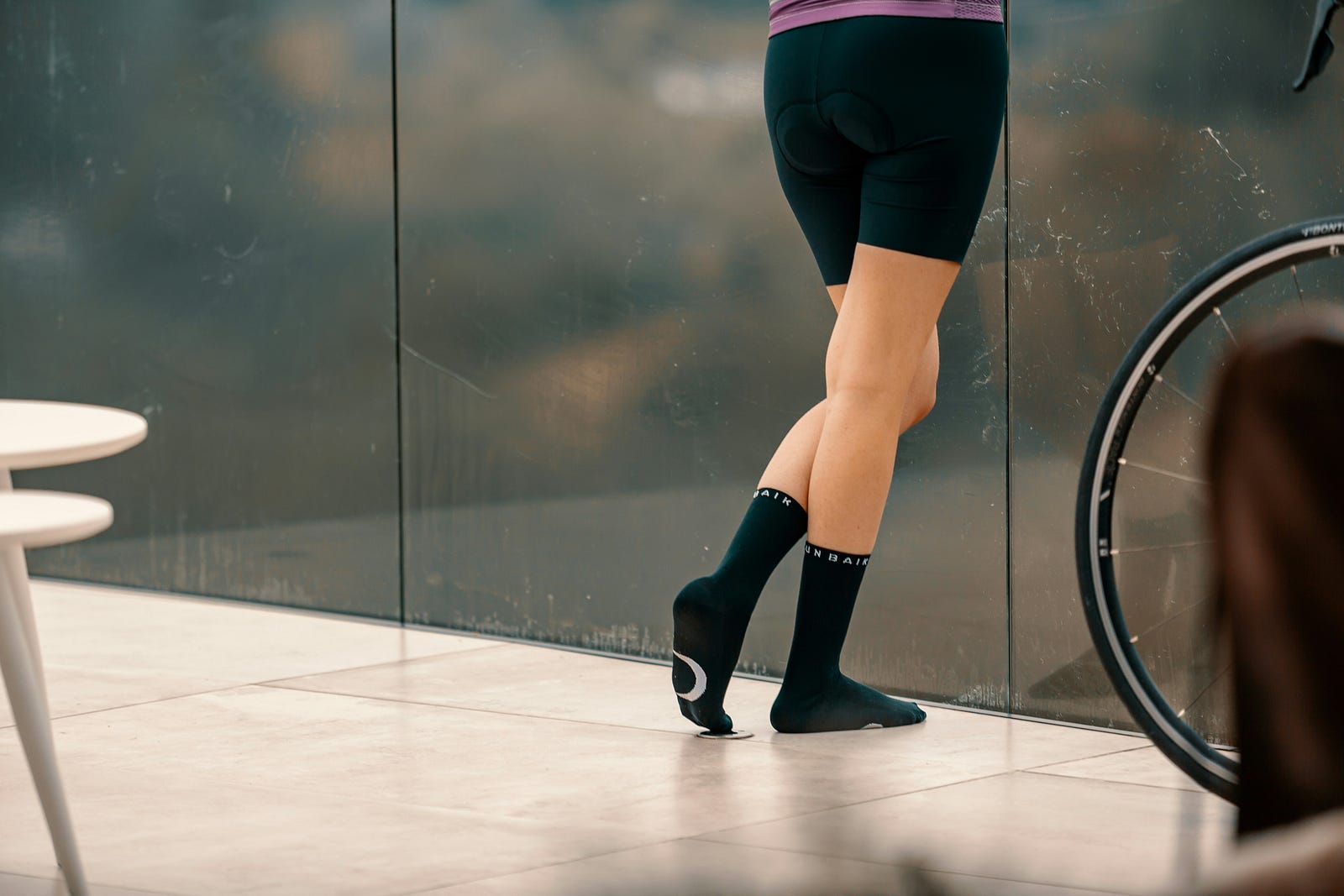
Suddenly, my everyday routine looked completely different. We spend hours sitting at our desks, working from home, driving, watching TV, scrolling on our phones, or flying across the country. Then we wonder why our legs feel tight, puffy, or unusually tired by the evening. Maybe our bodies aren’t asking for an intense workout. Maybe they’re simply asking us to move a little more often.
That realization was surprisingly comforting because it meant I didn’t need to train for a marathon to help my legs feel better. A short walk after lunch. A few calf raises while waiting for the coffee maker to finish. Stretching while dinner cooks. Standing up once an hour instead of sitting through an entire afternoon. None of these things are exciting enough to go viral on social media, but our bodies seem to appreciate consistency much more than occasional bursts of motivation.
Of course, there are still days when life gets in the way. Long flights, twelve-hour work shifts, road trips, or weekends spent on your feet can leave your legs feeling like they’ve worked overtime. That’s where a few well-designed products can make a noticeable difference. One of the most popular options on Amazon is the FIT KING Air Compression Leg Massager. It gently inflates and deflates around your calves and feet, creating a rhythmic squeezing sensation that’s incredibly relaxing after a long day. It’s become a favorite among travelers, nurses, teachers, and anyone who spends hours standing or sitting.
Another product that has quietly become an everyday staple is the Physix Gear Compression Socks. I used to think compression socks were only for marathon runners or healthcare workers, but now I notice them everywhere, from airports to amusement parks to long conferences. They provide gentle support throughout the day, helping your legs feel less fatigued before discomfort even has a chance to set in. The best part is that they look like regular athletic socks, so most people would never know you’re wearing them.
One product I think deserves more attention is the TheraFlow Dual Foot Massager Roller. It’s refreshingly simple. No batteries, no Bluetooth, and no complicated settings. You simply roll your feet over the wooden surface for a few minutes, and it helps relax not only your feet but also the muscles in your calves. Sometimes the simplest tools are the ones we actually end up using because they fit naturally into everyday life.
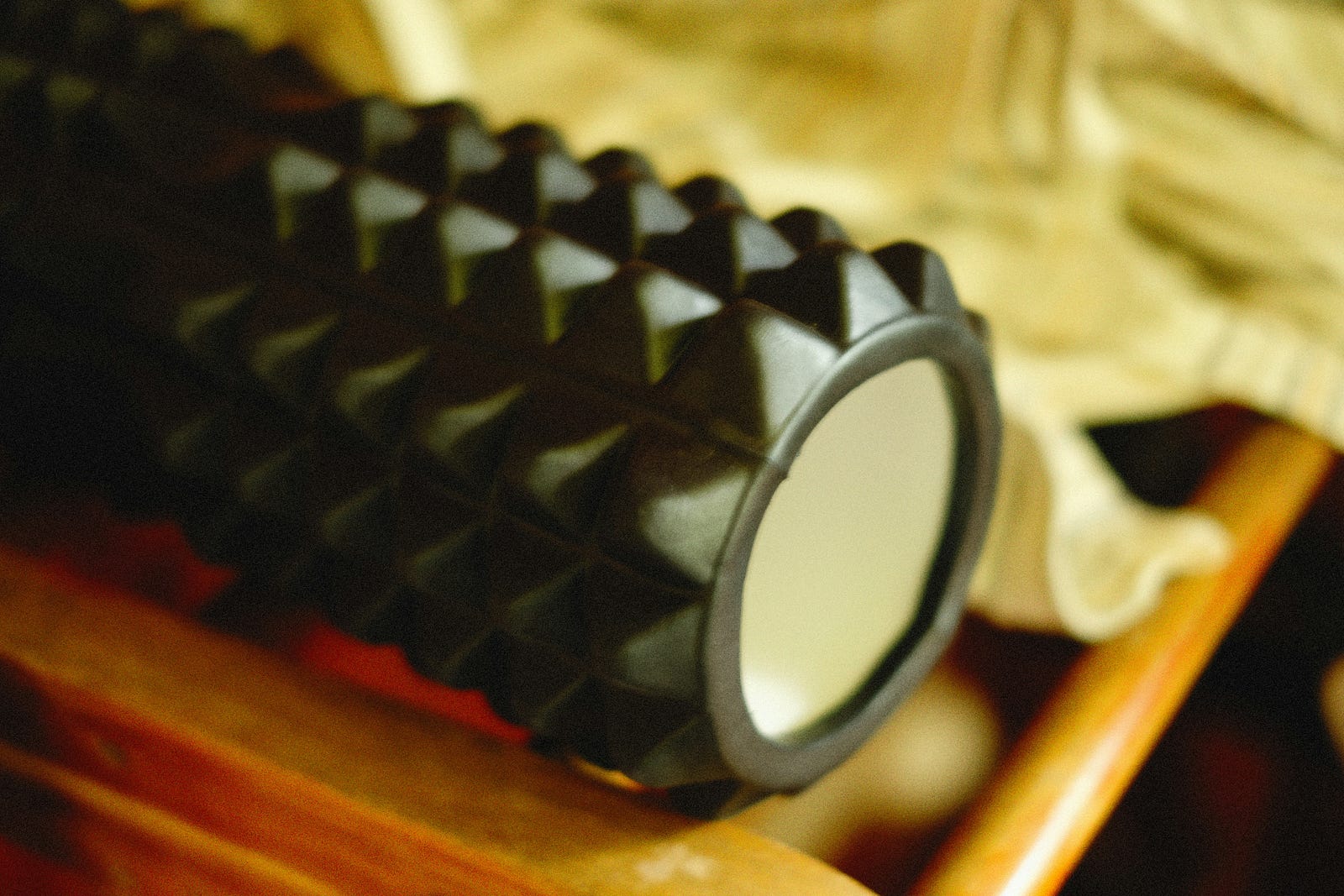
The biggest lesson I’ve learned, though, is that no product replaces movement. They can absolutely support healthy habits, but they can’t undo twelve hours of sitting still. The real difference comes from the small, ordinary things that rarely make headlines. Walking after dinner. Taking the stairs instead of the elevator. Stretching while brushing your teeth. Drinking enough water. Standing up every hour simply because your body wasn’t designed to stay in one position all day.
Lately, I’ve started paying more attention to older adults who still move with incredible ease. One thing many of them seem to have in common is that they rarely stay still for very long. They sit for a while, then they stand. They check the mail, water the plants, tidy the kitchen, or walk around the yard. Movement isn’t something they schedule. It’s simply woven into the rhythm of their day. Watching them has made me wonder if we’ve accidentally overcomplicated wellness when our bodies have been asking for the same simple thing all along: keep moving.
One important note before I finish. If you experience sudden swelling in only one leg, significant pain, redness, warmth, or shortness of breath, don’t assume it’s simply poor lymphatic drainage. Those symptoms can sometimes point to a more serious medical condition and deserve prompt medical attention.
For everyday heaviness, though, I’ve stopped thinking my body is betraying me. I think it’s communicating with me. It’s reminding me that movement isn’t a punishment or another item on my to-do list. It’s one of the ways my body takes care of itself, if I give it the chance.
Now I’d love to hear from you. When do your legs feel the heaviest? After sitting all day? After standing for hours? After traveling? Or have you found one small habit that completely changed how your legs feel by the end of the day? Share it in the comments. Some of the best wellness advice I’ve ever come across hasn’t come from a textbook. It’s come from people willing to share the little things that made everyday life feel a whole lot better.

Subscribe on Substack or here on Medium.
Disclosure: As an Amazon Associate, I may earn from qualifying purchases, but this does not affect my recommendations.I only suggest products I’ve personally vetted.


Leave a Reply