
Three things everyone’s already buying on Amazon, except most people are buying the wrong versions
A quick note from me: I really appreciate you checking out my blog! Just so you know, some of the links in this post are affiliate links. This means that if you buy something through them, I might earn a little bit of money, at no extra cost to you. There’s absolutely no pressure to buy anything, but if you do, it genuinely helps support the time and love I put into writing these posts.
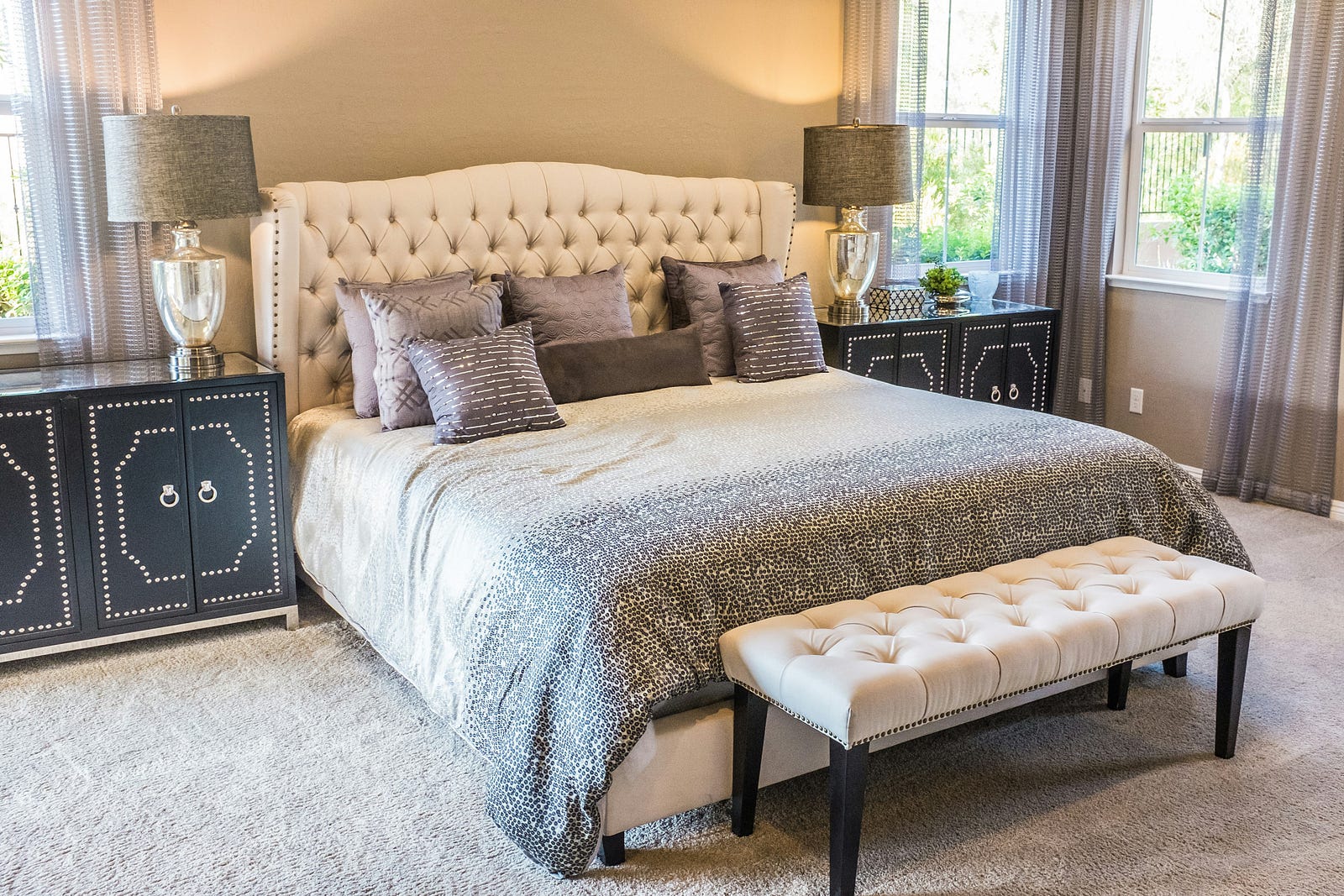
I’m going to say something annoying: your bedroom is broken and it’s costing you sleep. I know this because I spent three years defending mine like it was a personality trait. Everything matched. Everything was minimal. Everything screamed “I have my life together.” And I was sleeping like someone defusing a bomb in four-hour increments. So either I had a chronic sleep disorder (which I diagnosed myself with approximately fifteen times) or my bedroom was basically a high-stress environment wearing a minimalist aesthetic. The second one turned out to be true, which is worse because it means I did this to myself.
Here’s what nobody talks about: your bedroom isn’t just a place you sleep. It’s an environment that’s literally hijacking your vagal tone, the baseline state of your parasympathetic nervous system, which is the only part of you that actually knows how to rest. And if your room is bombarding you with the wrong sensory input, your vagus nerve is going to keep you in a state of low-grade sympathetic activation all night. You’ll sleep, technically, but you won’t recover. There’s a massive difference, and most people confuse eight hours of light sleep with eight hours of actual rest.
I’m talking about a specific mechanism here: bedroom-induced vagal dysregulation. It’s not a real diagnosis, but it should be. It’s what happens when your sleep environment is sending your nervous system mixed messages, dark enough to sleep, but bright enough that your brain never fully signals “threat assessment cleared.” Quiet enough to seem peaceful, but not structured enough that your auditory system can actually settle. Soft enough to lie on, but not held enough to activate your parasympathetic baseline. Your body spends eight hours in this purgatory of quasi-rest, and then you wake up wondering why you feel like you ran a marathon in your sleep.
The fix is stupidly simple because it’s just three things. Not a bedroom renovation. Not meditation. Not melatonin. Just three Amazon purchases that are already in your browser history anyway, except this time you’re buying them for neurological reasons instead of aesthetic ones.
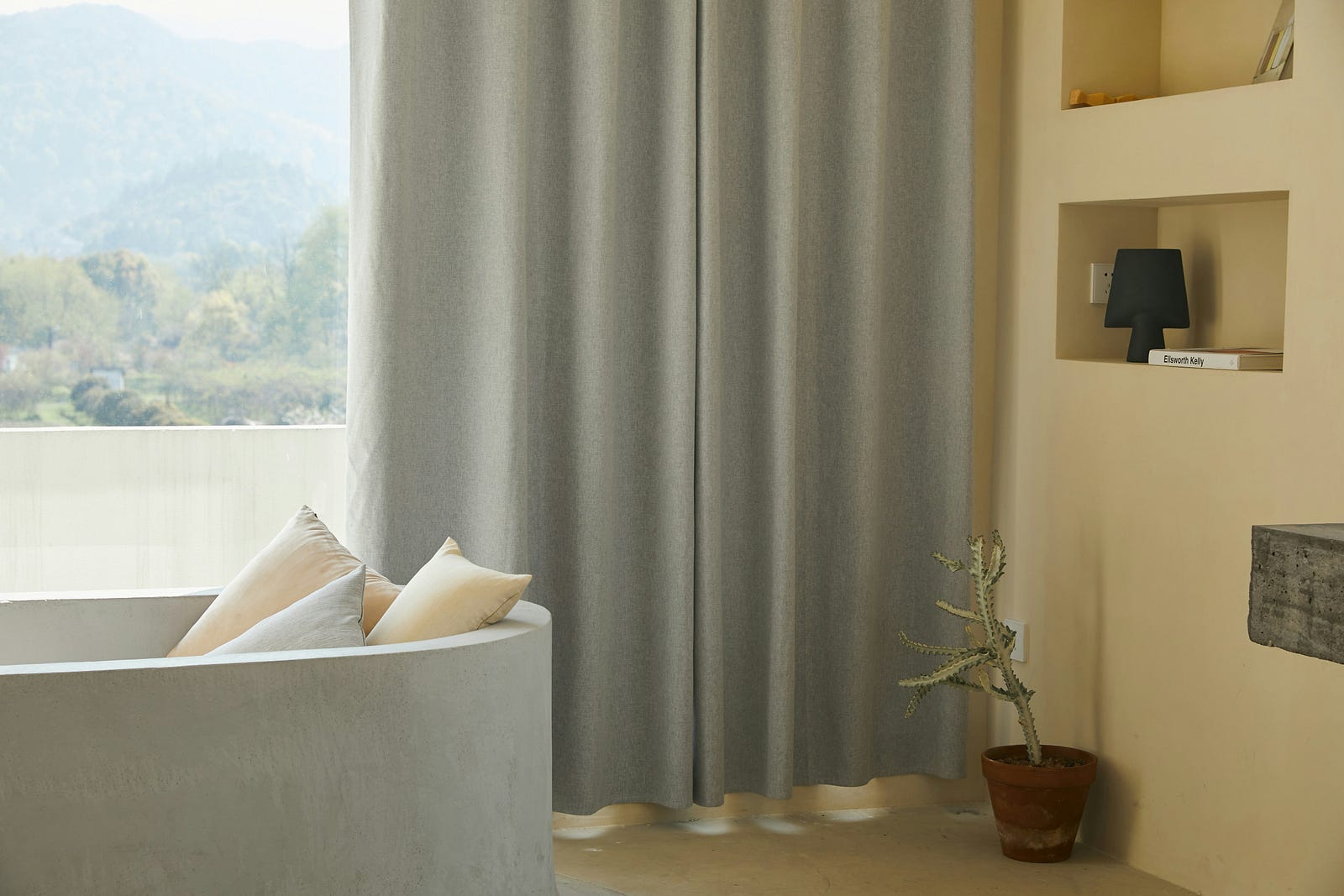
First: Kill the light completely. I’m talking about blackout curtains, not the kind you already have, the actual thermal ones that block ninety-eight percent of ambient light. Most people buy these and feel stupid immediately because they think it’s excessive. It’s not. Your eyes have photoreceptors that detect even minimal light, and they send signals to your suprachiasmatic nucleus that suppress melatonin production. Streetlight leakage. Phone glow. That tiny LED on your charger. All of it is sabotaging your circadian rhythm. When you install blackout curtains properly (full coverage, tight edges, no gaps), you’re creating an actual signal to your nervous system that says “night is happening now.” That’s it. That’s the whole mechanism. Your body can finally initiate the cascade of hormonal shifts that actually constitute sleep instead of just lying there with your eyes closed. Most people report sleeping an hour more per night in the first week, and it’s not because they’re suddenly more tired, it’s because they’re finally able to be asleep. Your vagus nerve stops screening for danger and actually downregulates.
Second: Create sonic containment. Buy a white noise machine or a smart speaker with white noise capability, something that generates consistent background sound all night. I know this sounds counterintuitive. You want silence, right? Wrong. Silence is actually terrifying to your nervous system because your auditory cortex is hypervigilant for threats. Every random noise in your house becomes a potential alarm. Your nervous system stays in a low state of scanning mode all night. But consistent white noise does something specific: it fills the acoustic space so completely that your brain stops searching for discrete sounds. It’s like the auditory equivalent of a weighted blanket for your ears. The mechanism here is called acoustic masking, and it directly downregulates your amygdala because there’s literally nothing to process as a threat. Choose white noise, rain, or fan sounds over nature sounds or music, those last two are too textured and keep your auditory system engaged. You want boring.

Third: Activate parasympathetic pressure. Get a weighted blanket or an extremely high-quality pillow, something that provides consistent, firm tactile input across your body. This is where vagal tone actually gets activated directly. Your skin has pressure receptors that connect to the vagus nerve, and when they detect gentle, sustained pressure, they send a “safe, held, no threat” signal straight to your brainstem. This isn’t comfort in the luxury sense. This is neurological permission to stop bracing. Most people buy flimsy blankets that don’t actually provide pressure, which means they’re not getting the vagal activation benefit. You need something substantial enough that you actually feel held. Spend the extra twenty dollars and get the version that’s actually rated for your body weight. If you’re 160 pounds, fifteen-pound blankets don’t cut it. You need that pressure consistent and noticeable, or your nervous system won’t register it as a safety signal.
Here’s what’s actually happening: your bedroom environment is teaching your vagus nerve to stay half-activated all night. The light tells it “maybe threat.” The unpredictable sound tells it “stay alert.” The lack of pressure tells it “you’re on your own.” And after weeks of this, your baseline vagal tone gets lower. You become someone who can’t settle, who “just isn’t a good sleeper,” who needs melatonin or medication or therapy to fix what is actually just an environmental problem.
Make these three changes: blackout curtains first, sound machine second, pressure-based bedding third. Do them in that order. Your room will go from a sympathetic activation chamber to an actual parasympathetic sanctuary, and you’ll sleep like someone who isn’t defending themselves at night.
But here’s the thing, knowing this and actually living it are different. Most people buy the blackout curtains and then leave the door cracked for “just in case.” They get the white noise machine and use it three nights before turning it off because “it feels wrong.” They buy the weighted blanket and take it off after twenty minutes because they’re not used to being held. All of that is your nervous system resisting the safety signal because you’ve spent your whole life staying activated as a survival strategy. That’s where the coaching comes in, where you actually have to practice parasympathetic activation and learn how to stop abandoning yourself at bedtime.
If you’re someone who knows your nervous system is dysregulated but you’re not sure where to start, that’s what I’m working through in my paid posts. Not just what to buy, but why you resist using it, how to actually stay in rest without feeling guilty, and how to rebuild your relationship with parasympathetic activation. Come join the conversation.

Subscribe on Medium and Substack
Disclosure: As an Amazon Associate, I may earn from qualifying purchases, but this does not affect my recommendations. I only suggest products I’ve personally vetted.


Leave a Reply