
How Three Things You’re Already Going to Buy Anyway Can Literally Reprogram Your Brain
A quick note from me: I really appreciate you checking out my blog! Just so you know, some of the links in this post are affiliate links. This means that if you buy something through them, I might earn a little bit of money, at no extra cost to you. There’s absolutely no pressure to buy anything, but if you do, it genuinely helps support the time and love I put into writing these posts.
I was waiting in the Whole Foods checkout line last month, and the girl in front of me had this energy. You know the energy I’m talking about — like the universe was personally invested in making sure her day went well. She wasn’t particularly stunning or rich-looking. But she was expecting things to work out. And they were. The cashier gave her a discount without asking. Someone complimented her outfit. She got a text from someone she’d been hoping to hear from. And I’m standing there with my overpriced kombucha thinking: what is she doing that I’m not doing?
Turns out, it wasn’t witchcraft. It was just that she’d decided a long time ago that she was the kind of person things happen for. And then she built tiny rituals around that decision every single day using objects she already owned.
This is the part about lucky girl syndrome nobody tells you: you don’t need to buy your way into this. You just need to redirect what you’re already buying. And that’s where this gets dangerous, because it means you actually have no excuse left.
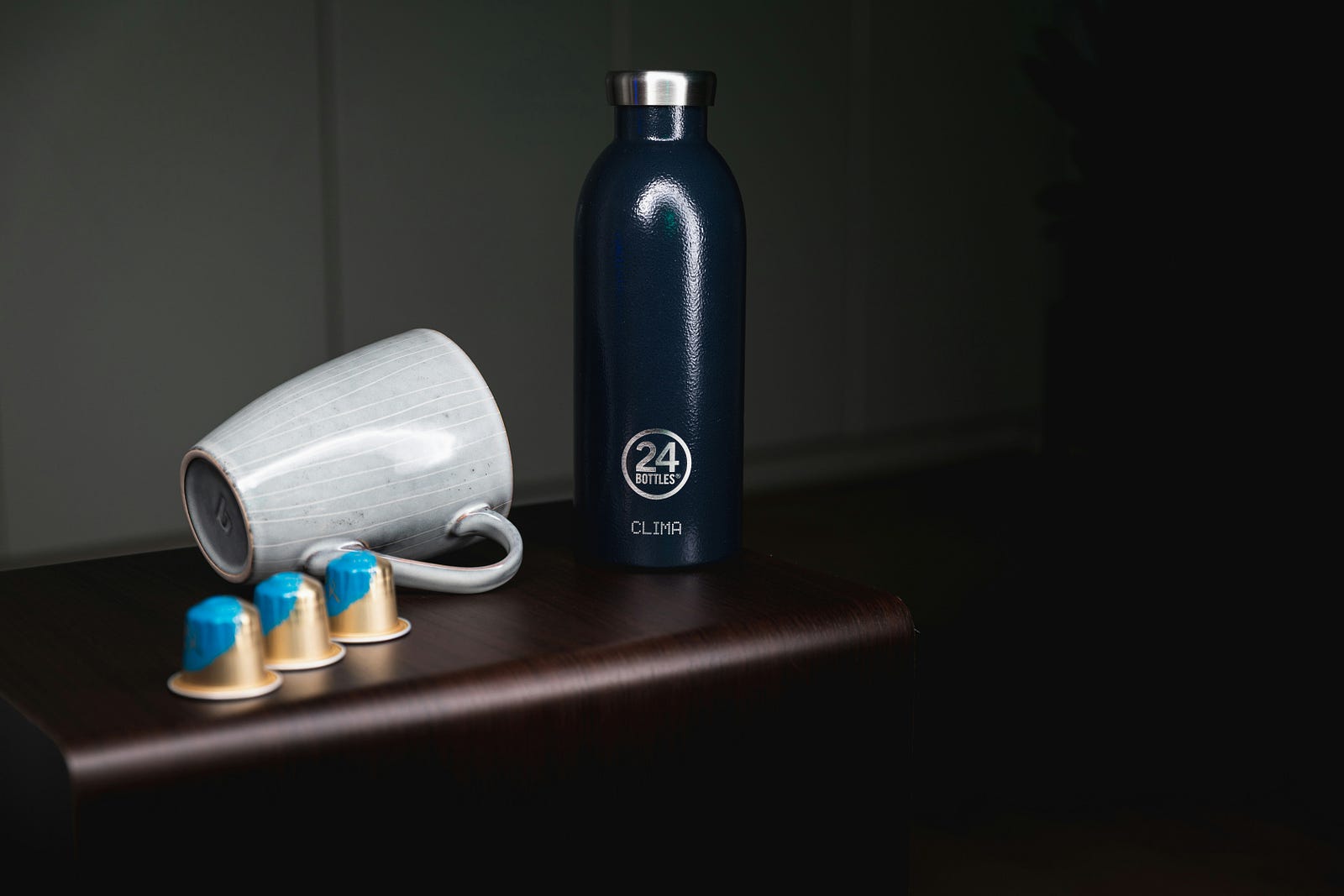
The Water Bottle Moment (This One Rewires Your Nervous System)
I know this sounds insane, but stay with me. Everyone owns a water bottle now. You probably own three. And yes, they’re functional, you need to drink water. But here’s what I realized: a water bottle is one of the most honest rituals you can own. You use it multiple times a day. You hold it. You think about it when you grab for it. It’s literally in your hands.
So I did something ridiculous. I bought a tumbler that I actually liked looking at, and I mean actually liked, not some minimalist Instagram aesthetic that made me feel nothing. Mine has this specific color that makes me feel alert and clear. Every time I picked it up, I started doing this tiny thing: a literal three-second visualization where I’d think about whatever I wanted to manifest that day. Not as some desperate prayer. Just as a statement. “I’m hydrating myself. I’m taking care of my body. I’m the kind of person who shows up for herself.”
Your nervous system doesn’t know the difference between a real threat and a perceived one. But it does know the difference between being treated like you matter and being treated like you’re an afterthought. When you pick up a water bottle you actually chose because you liked it, multiple times a day, your body gets the message: “I am worth thinking about. I am worth choosing.” And that feeling? That’s the substrate that lucky girl syndrome grows on.
The product doesn’t matter. The ritual does. But the product makes the ritual sticky.
The Mirror Situation (Where You Actually See Yourself)
This is going to sound weird coming from someone who has access to the entire internet, but I was looking at my face in my bathroom mirror one morning and I realized I was looking at myself like I was disappointed. Like I was expecting to see something wrong. And I thought: no wonder nothing’s working out, I’m not even rooting for my own existence.
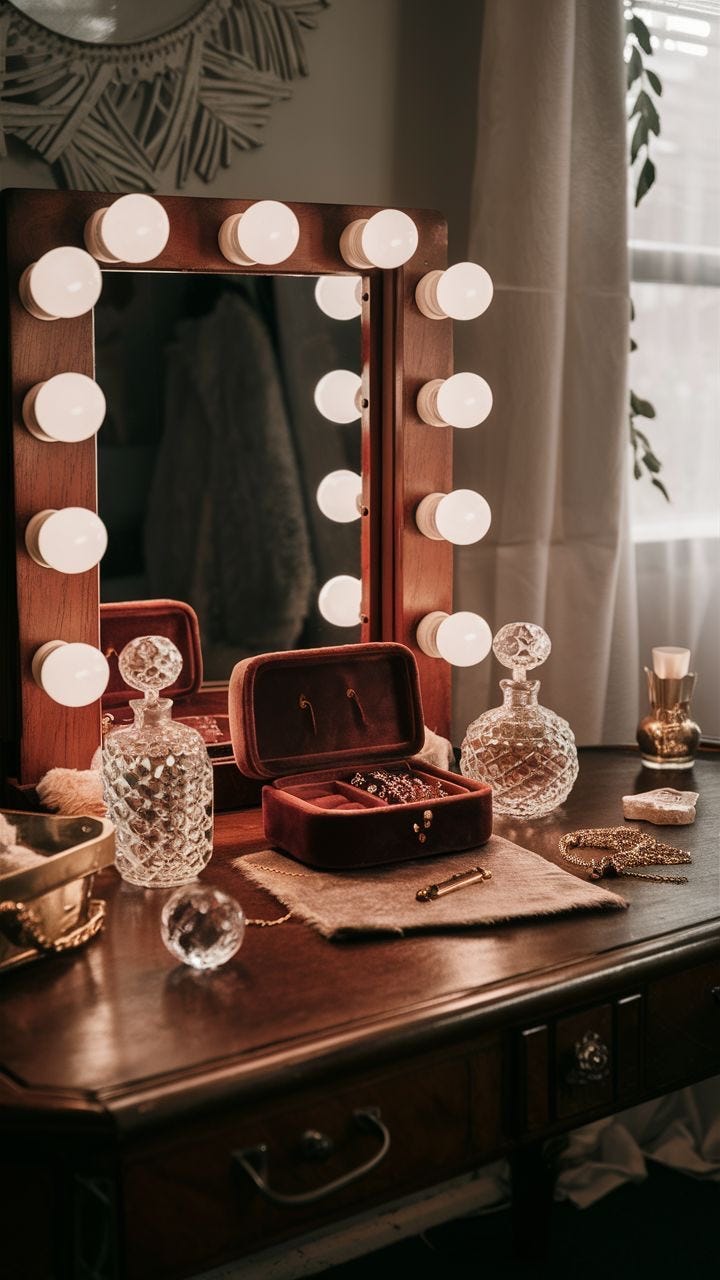
So I bought a better mirror. Not expensive, just one where the lighting wasn’t making me look like I was underwater in a submarine. And I started doing this thing every morning that felt absolutely unhinged at first: I’d make eye contact with myself and say one sentence out loud. Sometimes it was “things work out for you,” sometimes it was “you’re about to have the best day,” sometimes it was just “let’s go.” Literally thirty seconds.
What happened was strange because nothing changed externally. But my internal frequency shifted. I stopped thinking of myself as someone things happen to and started thinking of myself as someone things happen for. And here’s the neuroscience part that doesn’t feel woo at all: your brain runs a confirmation bias algorithm 24/7. When you change what you’re confirming, everything else shifts. You start noticing opportunities because you’re actually looking for them. You start taking risks because you’re not bracing for failure. You respond to rejection differently because you’re not taking it as a referendum on your worth.
A better mirror just made that daily reset non-negotiable. It made it impossible to opt out of choosing myself.
The Notebook Situation (Where You Capture Your Own Story)
Everyone has a notes app. Everyone has a notebook somewhere. And most people use them to capture what happened to them. Your to-do lists. Your problems. Your scattered thoughts. Your fears about not being enough.
But what if you used one specifically to capture evidence of luck instead?
I bought a simple notebook, not fancy, not precious, just nice enough that I wanted to use it. And I started doing this: every evening, three things. Not gratitude journaling, because that always felt like I was forcing myself to be happy about things I wasn’t actually happy about. Just three things that worked out that day. Small stuff. A parking spot opened up. Someone responded faster than expected. I found $20. My coffee was the right temperature. The meeting went better than I thought it would.
The first week felt fake as hell. The second week it started to stick. By week three, I was looking for things to write down, which meant I was looking for things that were working. And when you’re looking for what’s working instead of what’s broken, your entire experience of your life changes.
That’s not the notebook doing magic. That’s your reticular activating system, the part of your brain that filters what you pay attention to, being trained to hunt for evidence of luck. And a physical notebook just made it impossible to forget to do the training.
Here’s What Actually Matters
Lucky girl syndrome is not about being delusional. It’s about being deliberately selective with where you point your attention. It’s about choosing to gather evidence of your own luck instead of evidence of your own inadequacy, and then letting your nervous system respond to what you’re actually showing it.
The three products I’m talking about, a water bottle you actually like, a mirror with decent lighting, a notebook, add up to maybe $60. Everyone already buys these things. But most people buy them on accident, without intention. The shift happens when you buy them knowing what you’re doing: you’re building infrastructure for a different story about yourself.
You’re not buying your way into lucky girl syndrome. You’re using objects you were going to buy anyway as anchors for the identity you’re choosing.
And if this landed for you, if you felt something shift reading this, I write about this stuff constantly over at my Substack. Not toxic positivity, not manifesting fantasy, just the real mechanics of how identity works and why most people sabotage themselves without even knowing it. The whole thing is relationship building. Come subscribe. I promise you’ll find your people there.

Subscribe on Medium and Substack
Disclosure: As an Amazon Associate, I may earn from qualifying purchases, but this does not affect my recommendations. I only suggest products I’ve personally vetted.


Leave a Reply