
How to Actually Remember What Happened When 2026 Gets Weird
A quick note from me: I really appreciate you checking out my blog! Just so you know, some of the links in this post are affiliate links. This means that if you buy something through them, I might earn a little bit of money, at no extra cost to you. There’s absolutely no pressure to buy anything, but if you do, it genuinely helps support the time and love I put into writing these posts.
You know that feeling on December 30th when someone asks you how your year was and you go blank? Not blank like you had a bad year. Blank like it happened to someone else entirely. Like you were there, sure, but you were also not there at all, just moving through the days in some half-conscious state where weeks blurred into weeks and suddenly it’s almost January and you can’t remember if you cried three times or thirty times or if that whole situation ever actually resolved.
I felt that last year. I was deep in my phone, deep in work, deep in the kind of routine that makes you feel productive while simultaneously erasing your own actual life from your own memory. Then December hit and I couldn’t tell you anything true about the previous eleven months. Not in any real way. I could tell you what happened, the logistics, the events, the boxes I checked, but I couldn’t tell you what it meant or how I actually changed or whether I was becoming the person I wanted to be or just the person I thought I should be. And that gap? That gap is where everything actually happens. But it’s also where we lose ourselves most completely.
The problem isn’t that nothing happened. The problem is that you never actually witnessed it. You just lived through it.
This is where journaling prompts stop being cute and start being actually necessary infrastructure for your life. But here’s the thing nobody tells you: generic year-end prompts don’t work because they assume you were paying attention. They assume you have a narrative ready to go. They don’t account for the fact that you might have lived through something genuinely transformative while simultaneously having no idea it was happening. They don’t help you go back through the actual year and excavate the proof that you were there, that you mattered, that things changed even if you can’t quite see it from the inside.
So I stopped using the prompts that sounded like wellness magazine templates and started asking myself actually difficult questions. Not “What are you grateful for?” but “What did you do even though you were scared?” Not “What’s your 2027 intention?” but “Who did you become when nobody was watching?” The difference is small but it matters. One approach is about feeling better. The other approach is about actually knowing yourself.
Here’s how I changed my approach. I got serious about it. I bought a journal that was so nice I felt guilty writing in it, the kind of journal that forces you to mean what you write because the paper is expensive and the binding actually costs money and you can’t just pretend your words don’t matter when they’re sitting on paper this beautiful. I’m talking about a Moleskine hardcover journal or a Leuchtturm 1917 if you want to get technical. (Here’s the thing about expensive journals: they work. Not because of the paper, but because your brain knows you’re done half-assing this. You’re not doodling in this journal. You’re not making shopping lists. You’re showing up and doing the work. You can get them on Amazon for around $20–30 and honestly it’s the cheapest therapy you’ll ever do.) The nice journal changed something immediate. I couldn’t write surface-level nonsense in it. I could only write truth.
Then I got a pen that made writing feel like something other than a chore. I got a Kaweco fountain pen set or honestly just a really nice pen, the kind where the ink flows smoothly and you can actually feel your thoughts moving through your hand and onto the page. This matters more than it sounds. A cheap pen makes writing feel like an obligation. A good pen makes it feel like an act. And when you’re trying to excavate the year that just happened, you need it to feel like an act. You need the ritual. (Amazon has these for $15–40 depending on which one you grab, and it’s genuinely a game-changer for people who hate journaling. It’s not about being pretentious. It’s about removing friction from something hard.)
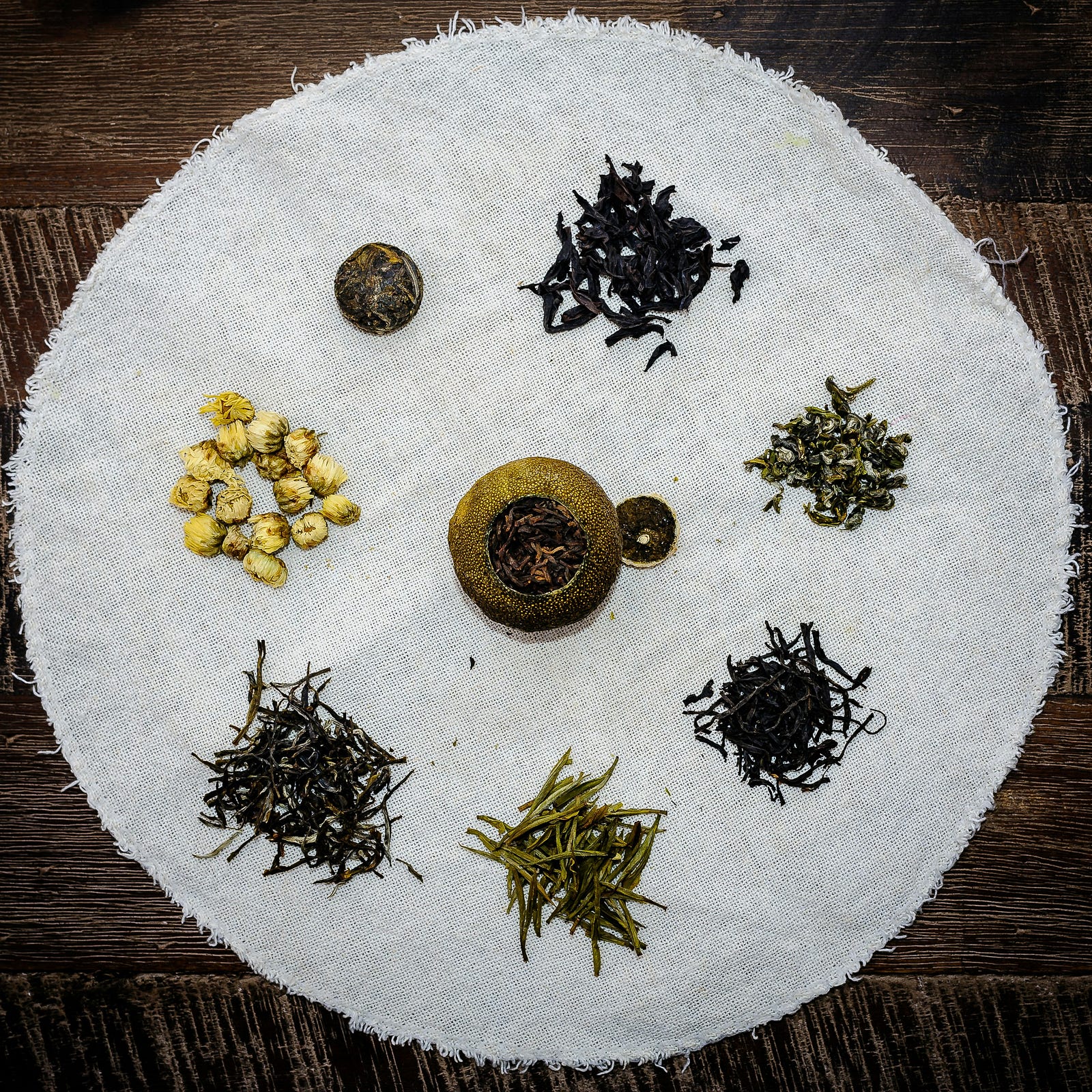
But the setting matters too. I couldn’t just sit at my desk under overhead lights with my laptop open nearby and expect to actually think. So I made space. I brewed tea, real tea, not the sad coffee shop stuff, but actual loose leaf herbal tea from a proper sampler set, the kind where you get chamomile and lavender and passionflower and all these things that make your nervous system calm down enough to actually feel things instead of just think about them. (A good tea sampler set is like $20–30 on Amazon and it completely changes how you approach sitting down to do this work. You’re not rushing through it. You’re actually making a ritual around it.)
And then I started with prompts that actually worked.
Not “What are you proud of?” but “When did you do something that scared you this year?” Then write about it. Write about what you were afraid of. Write about whether it turned out better or worse than you thought. Write about what you learned about yourself from being scared.
Not “What do you want to improve?” but “What did you keep doing even though you knew it wasn’t working?” Then really sit with that. Write about why. Write about whether it felt safe or familiar or numb. Write about whether you’re ready to stop.
Not “What are your goals?” but “What did you believe about yourself on January 1st that you no longer believe now?” This one gets messy. This one makes people cry. But this is the one that matters because this is the one that proves you actually changed.
Not “What are you grateful for?” but “What happened this year that you fought against at first but ended up needing?” Sometimes growth arrives as something you didn’t want. Write about that.
The prompts work because they’re not asking you to feel better about the year. They’re asking you to actually understand it. They’re asking you to go from “it happened” to “I lived it, and it changed me, and I can prove it.”
Do this for twenty minutes. Don’t rush it. Sit with the tea. Feel the pen. Let the nice journal make you tell the truth. And then, and this is important, actually acknowledge what you find. Not in some Instagram-caption way. But in a real way. You showed up. You changed. You survived something. You became someone different. That matters. It happened. It was real.
That’s the whole point. To prove to yourself that you were actually there.
If this resonates at all, you should read what I’m writing over at my Substack. I write about patterns we repeat without knowing it, about why we sabotage ourselves in relationships and work, about how to actually change your life instead of just thinking about changing it. It’s free to start reading, and the paid essays go way deeper into the psychology of how we get stuck and how we get unstable. Come read. See if you recognize yourself. I promise the conversation continues on the other side.
Your year happened. You just have to write it down to prove it.
Subscribe on Medium and Substack
Disclosure: As an Amazon Associate, I may earn from qualifying purchases, but this does not affect my recommendations. I only suggest products I’ve personally vetted.


Leave a Reply