
The three things I stopped pretending to skip that literally changed my ability to show up

A quick note from me: I really appreciate you checking out my blog! Just so you know, some of the links in this post are affiliate links. This means that if you buy something through them, I might earn a little bit of money, at no extra cost to you. There’s absolutely no pressure to buy anything, but if you do, it genuinely helps support the time and love I put into writing these posts.
I used to think self-care was for people who had time, which meant it wasn’t for me. I’d see women at work talking about their morning routines and evening wind-downs like these were luxuries they’d earned through some mysterious combination of discipline and inheritance, and I’d feel this sharp little sting. Not jealousy exactly. More like recognition of a gap I couldn’t name. It took me about three years of running on empty to realize that what I was actually experiencing was my body begging me to stop treating resilience like something that happens to other people.
Here’s what nobody tells you: strength isn’t something you summon from willpower. It’s what gets left over after you’ve actually tended to your nervous system instead of just powering through it.
I started small, almost accidentally. I was so burned out that even the phrase “self-care routine” felt like another task I was failing at, so I didn’t call it that. I just started buying random things on Amazon at two in the morning when I couldn’t sleep, hoping something would stick. Turns out three things did, and not in the way I expected.
The first was a weighted blanket. I know, I know, everyone has one now. But here’s why I’m bringing it up anyway: because I bought one as a last resort after reading something about vagal stimulation and honestly thinking it was pseudoscience, and then I got under it at 11 PM on a Tuesday feeling like my skin was too tight and my thoughts were all screaming, and within maybe ninety seconds something in my body just… exhaled. Like I’d been holding a breath I didn’t know I was holding. That sounds dramatic because it felt dramatic. Your nervous system doesn’t care if it sounds stupid, it just knows the difference between chaos and safety, and that weight told my brain exactly which one was happening.

I use it differently than I thought I would. It’s not some aspirational spa moment I do once a week while lighting candles and pretending to be a different person. It’s my 6 AM emergency kit on mornings when I wake up with my jaw clenched before my eyes are even open. It’s the thing that makes my body believe it’s safe to think straight before I’m dealing with anyone else’s expectations. The science here, and I mean actual nervous system science, not wellness-speak, is that deep pressure stimulation activates your parasympathetic nervous system. Translation: it tells the alarm bells to stop ringing. For someone who operates in a constant state of mild threat assessment (ambitious people, this is you), that’s not luxury. That’s infrastructure.
The second thing was a massage gun, which I resisted for embarrassingly long because I thought it was for gym bros and people with money for recovery, and I was neither. I finally bought one during a moment of pure desperation when my shoulders were so tight I couldn’t turn my head without my entire upper back staging a protest. The tension in my body wasn’t just tension, it was accumulated stress that had nowhere to go, and I was carrying it like a physical burden because I’d convinced myself that dealing with my feelings was self-indulgent but dealing with the fallout of ignoring them was just maturity. (Spoiler: that’s backwards.)
Using it for three minutes on my traps and shoulders and neck became this weird moment of permission I was giving myself, like okay, your body actually exists and it’s allowed to feel something. I started to notice that the tightness would return pretty predictably around high-stress work moments, and I stopped treating it like a problem to ignore and started treating it like information. Tightness meant I wasn’t breathing right. It meant my shoulders were protecting me from something that didn’t actually need protecting from. It meant I needed to move or cry or talk to someone, and I was just choosing compression instead. The massage gun became the prompt to pay attention, and that mattered more than the actual muscle relief.
This is where most self-care posts would tell you that this is about treat yourself, honey, and I’m going to tell you something different: this is about listening to your own body well enough to know when it’s trying to tell you something is wrong with how you’re living. That’s uncomfortable. It’s so much easier to just be numb and functional and moderately successful.
The third thing, and honestly the one that changed the architecture of how I actually feel day to day, was upgrading my tea setup. I know that sounds small and stupid compared to the other two, but stay with me. I used to drink coffee like it was my job, black and fast and angry, because I was running on a narrative that said fuel should be expedient and self-care was for after I’d earned it. Then I bought a decent electric kettle and some actual loose-leaf tea instead of the bags that taste like sadness, and I gave myself permission to have twenty minutes every evening where the job was to be warm and slow and present.
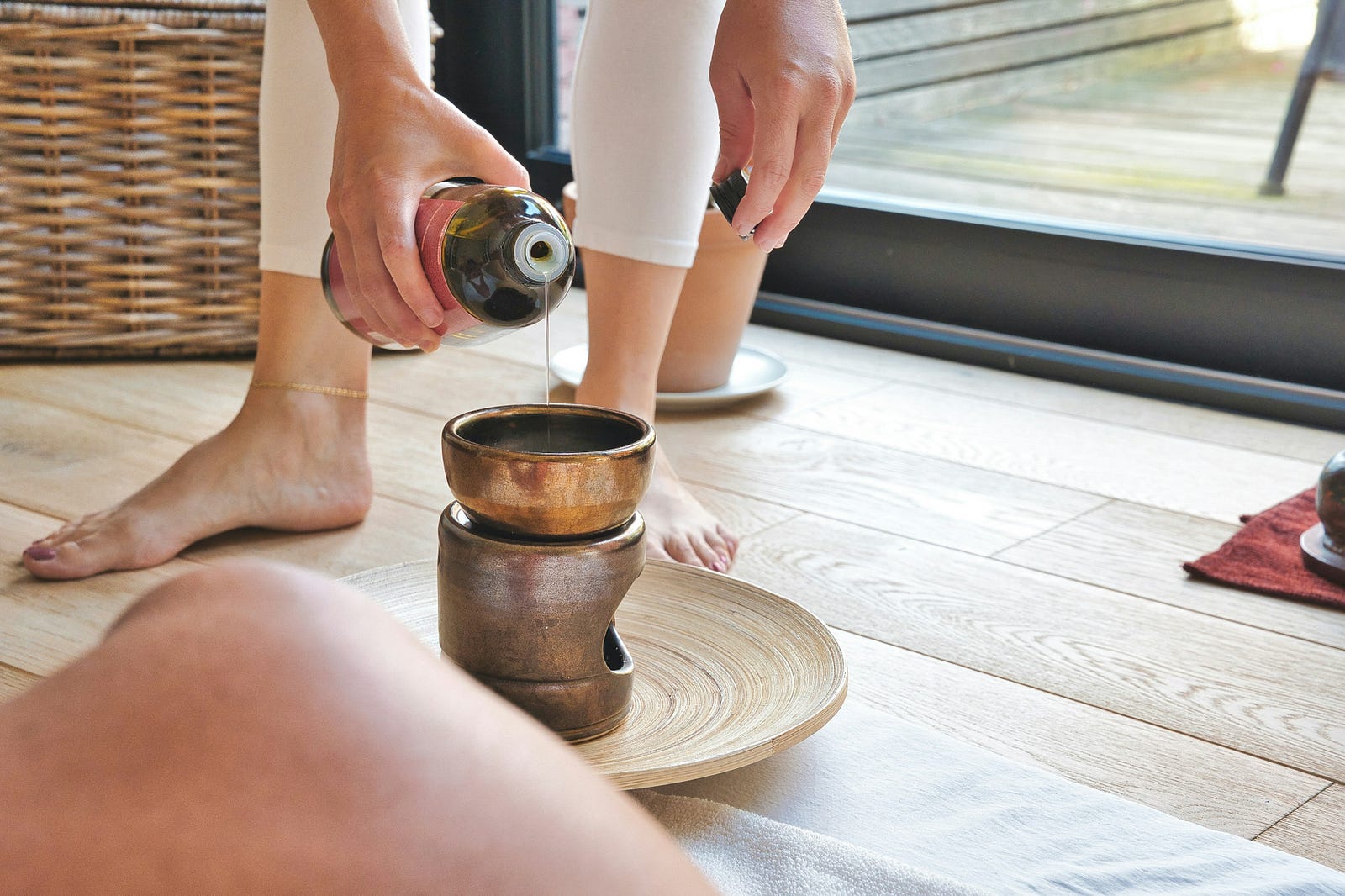
What I didn’t expect was how radical it would feel to stop treating nourishment like an afterthought. Tea time became the moment I actually asked myself how I felt instead of just moving to the next thing. It became a ritual that was explicitly about small pleasure instead of maximum output, and somewhere in there my nervous system learned that I wasn’t going to ask it to run on emergency mode indefinitely. That permission rippled everywhere, better sleep, clearer thinking, actual patience with people instead of just functional politeness.
Here’s what I’m trying to say, and I mean this directly: your body is not being dramatic when it needs things. The tightness in your shoulders, the insomnia, the way you can’t feel joy anymore even when good things happen, that’s not a personal failing. That’s information. And the thing about building resilience that nobody talks about is that you can’t strong-through your way into it. You have to actually tend to the machinery.
This doesn’t require some elaborate morning routine or the perfect setup or even the right products. But it does require you to stop treating your own comfort like it’s negotiable, like it’s something you’ll get to once you’ve succeeded enough. The weighted blanket, the massage gun, the tea ritual, these aren’t indulgences. They’re the foundation that makes everything else possible.
If you’re running on empty and calling it ambition, if you’re tight and tired and wondering why achievement doesn’t feel good anymore, this is the moment to stop and ask what your nervous system is trying to tell you. The small acts of tending to yourself aren’t soft. They’re strategic. They’re the difference between burning out spectacularly and actually building something that lasts.
The women I know who have real resilience aren’t the ones who never fall apart, they’re the ones who learned how to rebuild. And rebuilding starts with listening to your body instead of just pushing through it.

Subscribe on Medium and Substack
Disclosure: As an Amazon Associate, I may earn from qualifying purchases, but this does not affect my recommendations. I only suggest products I’ve personally vetted.


Leave a Reply