
What Ayurveda taught me about chronic pain that no one else ever explained.

I really appreciate you checking out my blog! Just so you know, some of the links in this post are affiliate links. This means that if you buy something through them, I might earn a little bit of money, at no extra cost to you. There’s absolutely no pressure to buy anything, but if you do, it genuinely helps support the time and love I put into writing these posts.
There was a question someone asked me recently that I couldn’t answer, and it stuck with me for days. They said, “What did your body feel like before something hurt every day?” I laughed at first because it sounded like such a random question. Then I realized I honestly couldn’t remember. Somewhere along the way, sore knees, a stiff neck, tight shoulders, and that annoying ache in my lower back had quietly become part of my normal. I wasn’t planning my day around what I wanted to do anymore. I was planning it around what I thought my body would let me do. And I don’t think I’m alone in that.
Chronic pain has a funny way of introducing itself. It rarely barges through the front door. Instead, it slips in quietly. Maybe it’s the shoulder that always feels tight after work. Maybe it’s your hips every time you get out of the car. Maybe it’s your wrists after another day behind a keyboard. At first you notice it. Then you work around it. Eventually, you stop noticing it altogether because you’ve built your life around avoiding whatever makes it worse. That’s the part nobody talks about. Pain doesn’t just change how your body feels. It slowly changes how you live.
I have a friend who once joked that she’d bought three different heating pads in the same year because she was convinced the next one would be “the good one.” We laughed, because we’ve all been there with something. Then she shrugged and said, “Honestly, I don’t even remember what it feels like to wake up without hurting somewhere.” That sentence stayed with me. Not because it was dramatic, but because it was so ordinary. I think millions of people quietly feel the same way and assume that’s simply what getting older looks like.
One of the reasons I’ve always appreciated Ayurveda is that it asks a completely different question. Modern life often asks, “How do I make this pain go away?” Ayurveda asks, “Why has your body been asking for your attention for so long?” That small shift changes everything. Instead of treating pain like an annoying interruption, it treats it like information. Maybe your muscles have been tense for months because your nervous system never gets a chance to slow down. Maybe your joints are asking for movement instead of more time sitting. Maybe stress has settled into your body so gradually that you don’t even notice how tightly you’re holding your shoulders until someone points it out.
One Ayurvedic practice that has stood the test of time is abhyanga, or warm oil massage. The first time I heard about it, I assumed it sounded like another wellness trend that would disappear in a few months. It turns out it’s been around for centuries. The idea is beautifully simple. Warm a little herbal oil, massage it into your body using slow, gentle strokes, and spend ten or fifteen minutes paying attention to yourself instead of rushing to the next thing on your calendar. The oil matters, but I think the ritual matters even more. Those few quiet minutes tell your body that it doesn’t have to stay on high alert all day.
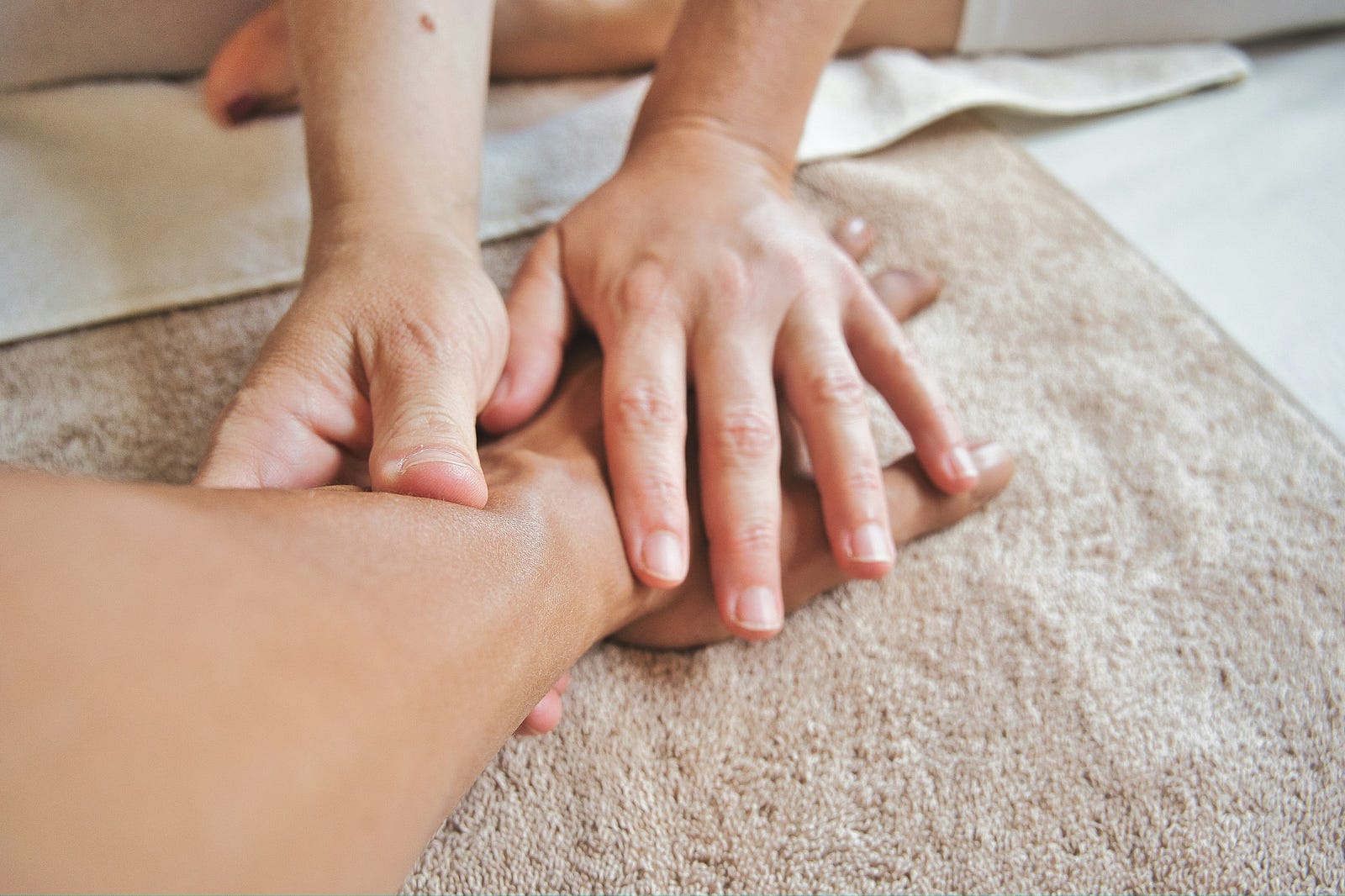
If you’re curious about trying it, Banyan Botanicals Daily Massage Oil is one that many people keep coming back to because it’s made specifically for daily Ayurvedic massage. It’s not meant to replace physical therapy, medication, or advice from your healthcare provider, but it can become a calming part of an evening routine, especially if your muscles tend to feel tight after long workdays.
Another idea Ayurveda talks about often is inflammation. Not the kind you notice after twisting your ankle, but the quieter kind that builds over time. Too little sleep. Too much stress. Highly processed foods. Sitting for hours without moving. None of those things usually cause pain overnight, but together they slowly create an environment where your body has a harder time recovering. That’s why turmeric has remained one of the most widely studied herbs for supporting healthy inflammatory responses. Curcumin, the active compound in turmeric, has been researched extensively, and many supplements pair it with black pepper extract because it helps your body absorb it more effectively.
One supplement that’s popular for this purpose is Garden of Life Mykind Organics Extra Strength Turmeric. Like any supplement, it’s important to talk with your healthcare provider first, especially if you take prescription medications, but many people choose to make it part of their broader wellness routine alongside movement, better sleep, and healthier eating habits.
The more I learn about chronic pain, the more convinced I become that our bodies rarely ask for perfection. They ask for consistency. They respond to the little things we repeat every day far more than the big things we do once in a while. A twenty-minute walk after dinner. Stretching before bed. Going to sleep thirty minutes earlier. Drinking enough water. Taking five minutes to breathe before jumping into the next meeting. Those habits don’t feel exciting, which is probably why social media doesn’t celebrate them very often. But over time, they’re often the habits that matter most.
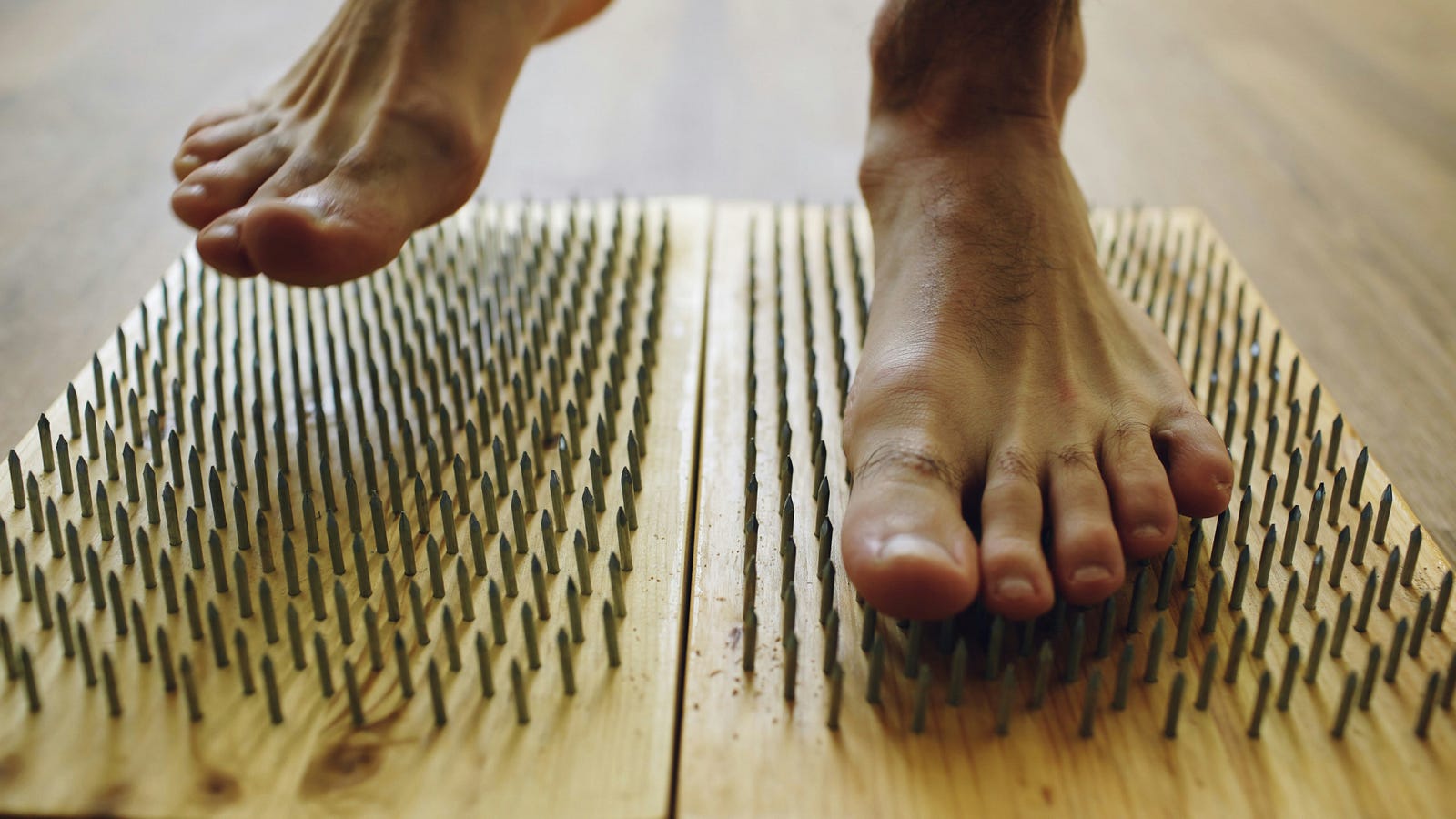
One product that surprised me is the Shakti Acupressure Mat. The first time I saw one, I thought there was no way lying on hundreds of tiny spikes could possibly feel relaxing. Yet people who use it regularly often describe the same experience. The first minute feels intense, then their muscles begin to soften, their breathing slows, and by the time they get up fifteen or twenty minutes later, they feel noticeably more relaxed than when they started. Whether that’s from the acupressure itself, the intentional pause in a busy day, or a combination of both, it reminds me that recovery doesn’t always have to be complicated.
Perhaps the biggest lesson Ayurveda has given me has nothing to do with herbs or oils. It’s the reminder to pay attention before my body has to speak louder. We live in a culture that celebrates pushing through discomfort, skipping breaks, answering emails late into the night, and wearing exhaustion like a badge of honor. But our bodies don’t keep score that way. They simply respond to how they’re treated, day after day, year after year.
If you’re living with chronic pain, I hope you’ll remember this. You don’t have to accept feeling uncomfortable simply because someone told you it’s a normal part of getting older. You don’t have to ignore what your body has been trying to tell you. Work with healthcare professionals you trust. Stay curious. Explore approaches that fit your life, whether that’s physical therapy, strength training, medication, stress management, nutrition, or Ayurvedic practices that help you slow down and reconnect with your body.
Maybe healing isn’t about finding one magical solution. Maybe it’s about collecting enough small moments of care that your body finally starts believing you’re on its side again. And honestly, I can’t think of a better place to begin than there.
For more subscribe here

Disclosure: As an Amazon Associate, I may earn from qualifying purchases, but this does not affect my recommendations.I only suggest products I’ve personally vetted.


Leave a Reply