
If you’ve ever planned your day around the nearest bathroom instead of your actual plans… this one’s for you.

I really appreciate you checking out my blog! Just so you know, some of the links in this post are affiliate links. This means that if you buy something through them, I might earn a little bit of money, at no extra cost to you. There’s absolutely no pressure to buy anything, but if you do, it genuinely helps support the time and love I put into writing these posts.
I never realized how much of my life revolved around my stomach until one day I caught myself doing something that felt completely normal… but probably wasn’t. I was meeting a friend for brunch, and before I even looked at the menu, I was checking where the bathroom was. Not because I needed it right then, but because my brain wanted to know it was there. Just in case. If you have IBS, you probably know exactly what I’m talking about. You become weirdly good at spotting restrooms, memorizing gas stations on your commute, and quietly choosing the seat closest to the exit without anyone noticing. It’s exhausting, and most people around you never realize you’re doing it.
The hardest part isn’t always the stomach pain. Sometimes it’s the mental math that never seems to stop. Can I eat before this meeting? Will coffee betray me today or will I get lucky? Is this restaurant going to have something my stomach won’t argue with? Will I spend the drive home wishing I’d just stayed home instead? Eventually, it gets to a point where you’re not just managing your stomach anymore. You’re managing the fear of your stomach.
That’s when something finally clicked for me. Maybe I wasn’t only anxious because I had IBS. Maybe I was becoming anxious about the possibility of having IBS symptoms every single day. Those are two very different things, but they feed each other like they’re best friends who make terrible decisions together.
Here’s the part nobody explained to me in a way that actually made sense. Your gut and your brain are constantly talking to each other. They’re connected through something called the gut-brain axis. It’s not some trendy wellness phrase. It’s a real communication system. When your brain feels stressed, overwhelmed, or like it’s constantly putting out little fires all day, your gut hears the message. And when your gut is inflamed or irritated, it sends messages right back to your brain. It’s basically two coworkers accidentally hitting “Reply All” every five minutes.
That doesn’t mean anxiety causes every case of IBS. It doesn’t. IBS is complex. Genetics, gut bacteria, food sensitivities, previous infections, sleep, hormones, and stress can all play a role. But if you’ve ever noticed your symptoms getting worse before a presentation, during a family conflict, while traveling, or even after weeks of running on empty, you’re not imagining it. Your body isn’t making it up. It’s responding exactly the way it’s designed to.
I think that’s why so many of us get frustrated when someone says, “It’s probably just stress.” It sounds dismissive. Like they’re saying it’s all in your head. But stress isn’t imaginary. Stress changes digestion. It changes how your intestines move. It changes pain sensitivity. It can even influence the balance of bacteria living in your gut over time. That’s very different from saying your symptoms aren’t real. They are.
One of the biggest surprises for me wasn’t discovering some miracle supplement. It was realizing my nervous system needed just as much support as my digestive system did. I spent years looking for the perfect food while completely ignoring the fact that I was eating lunch in eight minutes, answering emails with one hand, doomscrolling with the other, and wondering why my stomach never seemed relaxed. My body never got the message that it was safe.
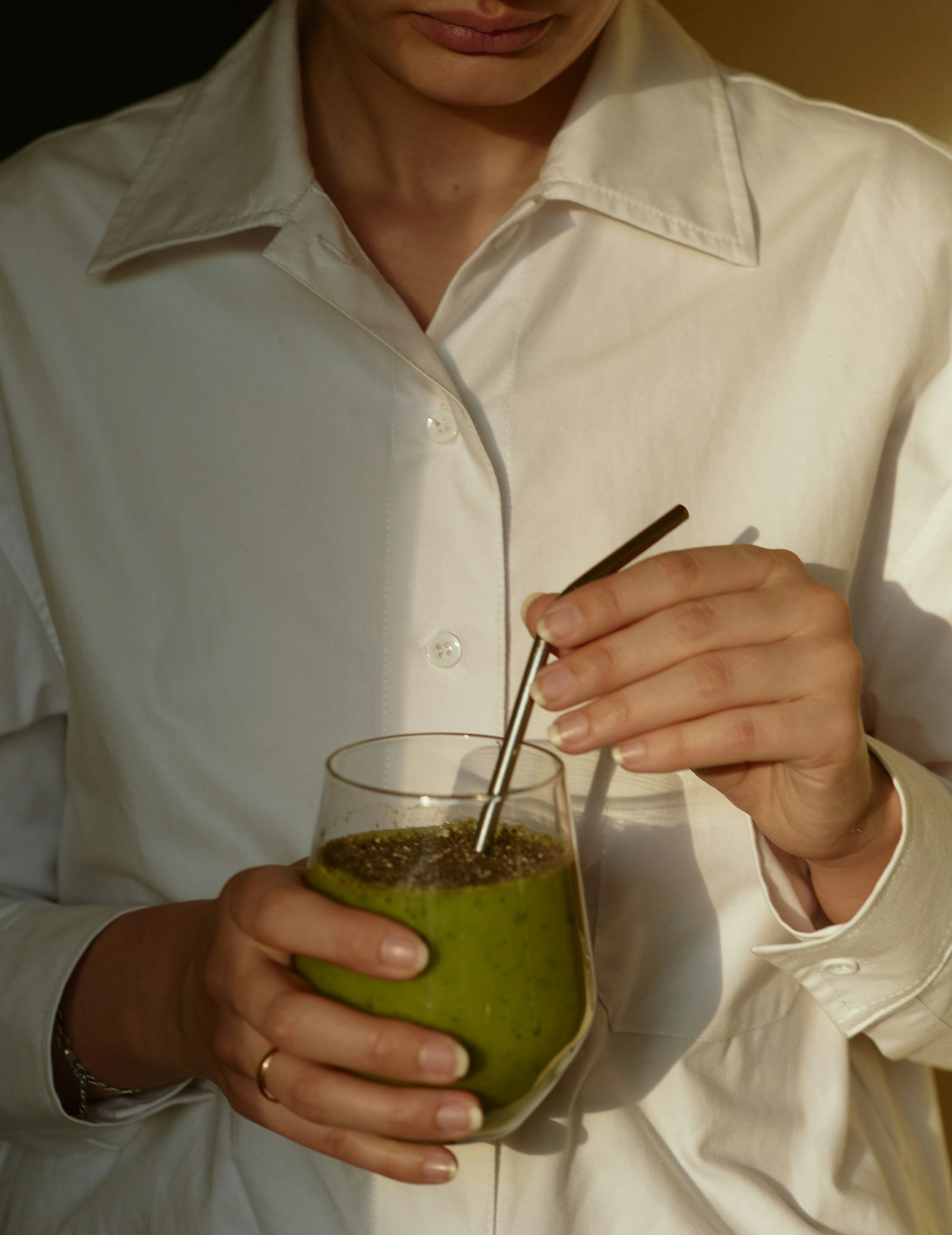
That’s why the smallest habits ended up making the biggest difference. Sitting down while I ate. Chewing my food instead of inhaling it. Taking a ten-minute walk after dinner. Putting my phone away before bed instead of convincing myself that “just one more scroll” wouldn’t matter. None of those habits sounded exciting. None of them promised to heal my gut in thirty days. But together, they changed how my body felt more than I expected.
If you’re looking for products that actually support those habits instead of promising impossible results, there are a few everyday Amazon finds that people genuinely use. One is the Squatty Potty. It has a funny name, but there’s a reason it’s been so popular for years. For many people dealing with constipation, changing your bathroom posture can make bowel movements easier and reduce straining. Sometimes the simplest solutions are the ones we overlook.
Another is the Owala FreeSip Water Bottle. I know, it’s “just” a water bottle. But staying hydrated is one of those boring habits that’s surprisingly important, especially if constipation is part of your IBS. I drink more water simply because it’s sitting next to me all day, and honestly, that’s the kind of behavior change that lasts.
The third is a weighted blanket. This one isn’t treating IBS itself, but if your anxiety tends to spike at night or your mind refuses to shut off, many people find the gentle pressure calming. Better sleep doesn’t cure IBS, but it can help support your nervous system, and for a lot of people, that’s one piece of the puzzle that’s been missing.
The older I get, the less I believe there’s one magic fix for anything involving the human body. I don’t think there’s one food that ruined your gut. I don’t think there’s one supplement that will magically repair it either. I think healing usually looks a lot more ordinary than social media makes it seem. It’s drinking enough water. It’s sleeping a little more. It’s moving your body because it feels good, not because you’re trying to earn dinner. It’s recognizing when your nervous system has been running on high alert for weeks and giving yourself permission to slow down before your body forces you to.
Maybe that’s why IBS can feel so lonely. Everyone sees you canceling plans. They don’t see the invisible calculations happening in your head before you ever say no. They don’t see you scanning the room for a bathroom. They don’t see you wondering if today is going to be one of the “good gut days” or one of the days where your stomach seems to have its own agenda.
If that’s you, I hope you know you’re not failing. Your body isn’t trying to punish you. It’s trying to communicate. And sometimes, the first step isn’t fighting it harder. It’s getting curious about what it’s been trying to say all along.

I’m curious… what’s the one IBS habit you’ve never admitted to anyone but know other people with IBS would instantly understand? Subscribe for more.
Disclosure: As an Amazon Associate, I may earn from qualifying purchases, but this does not affect my recommendations.I only suggest products I’ve personally vetted.
 Be Inspired..!!
Leave a comment