
The biggest thing I needed to cleanse wasn’t my body. It was the belief that I constantly needed fixing.
I really appreciate you checking out my blog! Just so you know, some of the links in this post are affiliate links. This means that if you buy something through them, I might earn a little bit of money, at no extra cost to you. There’s absolutely no pressure to buy anything, but if you do, it genuinely helps support the time and love I put into writing these posts.
Every Sunday night, I used to make the same promise to myself. Tomorrow would be different. Tomorrow I’d wake up early, drink more water, meal prep, skip dessert, go to the gym, and finally become one of those people who seemed to have everything figured out. Then life would happen. A stressful meeting would run late. Dinner would end up being takeout because I didn’t have the energy to cook. I’d miss a workout, stay up scrolling longer than I planned, and by Wednesday I’d quietly tell myself I’d failed again. Looking back, I don’t think I was trying to become healthier. I think I was trying to become someone I believed deserved to feel healthy. There’s a difference, and I wish someone had pointed it out sooner.
The more I thought about it, the more I realized that wellness culture quietly teaches us something we rarely question. Every new cleanse, detox, or reset seems to carry the same hidden message: this version of you isn’t enough yet. Just buy this tea. Follow this plan. Eliminate these foods. Start over on Monday. Maybe then you’ll finally become the person you’ve been trying so hard to be. I don’t think I was buying detoxes because I believed they could magically remove toxins from my body. I think I was buying hope. Hope that next Monday I’d finally become disciplined enough, healthy enough, organized enough, or worthy enough to stop feeling like I was constantly falling behind.
The funny thing is that the woman I kept trying to become didn’t actually exist. She never stress-ate. She never skipped workouts. She never got overwhelmed. Her refrigerator was always full of fresh vegetables, and somehow she always had time to cook. Meanwhile, real life looked nothing like that. Real people have difficult weeks. They order pizza after long days. They celebrate birthdays with cake. They travel, get sick, stay up too late, forget to drink enough water, and sometimes choose convenience over perfection. The problem wasn’t that my habits weren’t perfect. The problem was that I’d quietly started believing my body had to earn kindness through good behavior.
That belief followed me everywhere. If I ate “clean,” I felt proud of myself. If I didn’t, I felt guilty. My relationship with food started sounding suspiciously like my relationship with achievement. Everything became something to earn—rest, confidence, feeling good in my own skin, even the right to call myself healthy. Somewhere along the way, taking care of myself had turned into another performance review.
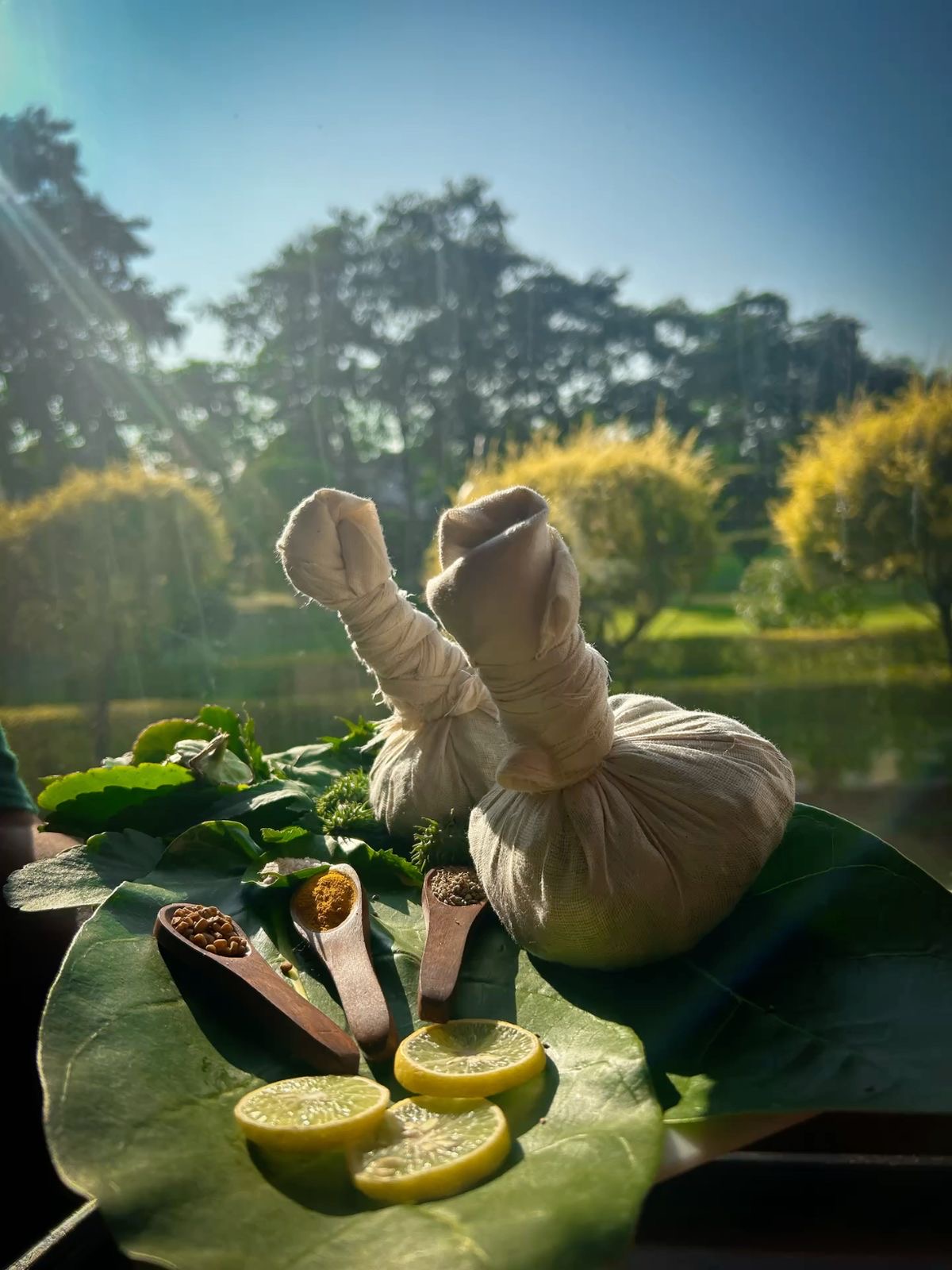
Then I started reading more about Ayurveda. I’ll admit, I expected another long list of rules. Instead, what stood out to me was something surprisingly gentle. Ayurveda talks about creating daily rhythms, paying attention to digestion, eating mindfully, and slowing down enough to notice how your body feels. At the same time, modern medicine reminds us that our liver and kidneys already do an incredible job of removing waste products from the body. They don’t need expensive juices or detox teas to do their work. Somehow, those two ideas together took a huge weight off my shoulders. I stopped looking for ways to “clean out” my body and started looking for ways to support it.
That simple shift completely changed the questions I asked myself. Instead of waking up wondering, How do I fix myself today? I started asking, What would make my body feel cared for today? One question assumes you’re broken. The other assumes you’re already worthy of care. That’s a very different place to begin.
Some of the habits I kept were almost laughably simple. I started my mornings with a mug of warm water before reaching for coffee. Not because warm water detoxifies the body, but because it gave me five quiet minutes before emails, notifications, and deadlines started competing for my attention. I also started using a copper tongue scraper, a traditional Ayurvedic oral-care tool that helps remove debris from the tongue and leaves my mouth feeling fresh before brushing. It takes less than thirty seconds, but it’s become one of those tiny rituals that reminds me caring for myself doesn’t have to be dramatic to matter.
The biggest changes happened in my kitchen. I stopped asking what the “perfect” healthy meal was and started asking what nourishing meal I’d actually enjoy making after a long day. Some weeks that meant oatmeal with fruit. Other weeks it meant a simple pot of kitchari, a comforting dish made with rice, lentils, and gentle spices that’s been enjoyed in Ayurvedic cooking for generations. Having a quality enameled Dutch oven made those meals incredibly easy because I could make soups, grains, and one-pot dinners without much effort. Ironically, I didn’t need another supplement. I just needed cooking to feel less overwhelming.
I also rediscovered herbal tea—not as a detox, but as a pause. Ginger after a heavy meal, peppermint in the evening, or tulsi during a stressful afternoon became small reminders to slow down. Carrying an insulated stainless-steel tea tumbler meant my tea actually stayed warm long enough for me to enjoy it instead of finding a forgotten cold mug on my desk three hours later. None of those habits changed my life overnight. What changed my life was that they were easy enough to repeat.
I think that’s the biggest lesson this whole journey taught me. Real wellness is usually quiet. It doesn’t happen because you survived a dramatic reset or completed a thirty-day challenge. It happens because you choose small acts of care over and over again. You go to bed a little earlier. You cook one nourishing meal. You drink another glass of water. You stop speaking to yourself like you’re constantly behind and start speaking to yourself like someone you’re responsible for caring for.
Maybe that’s what I appreciate most about the parts of Ayurveda that have stayed with me. They didn’t convince me that my body needed fixing. They reminded me that my body deserved consistency, nourishment, and attention. Those are very different things.
So before you buy another cleanse or promise yourself that next Monday is finally the Monday you’ll become a completely different person, pause for a second and ask yourself one question: If I already believed my body was worthy of care today, what would I do differently? I have a feeling your answer won’t involve another detox. It’ll probably be something much smaller, much kinder, and much more sustainable. And honestly, I think that’s where real health begins.
I’m curious, which wellness habit has quietly stayed with you over the years, not because someone online told you it was life-changing, but because it genuinely makes you feel more like yourself? Those are the habits I trust the most, and I have a feeling they’re the ones worth talking about. Subscribers on Substack or Medium.
Disclosure: As an Amazon Associate, I may earn from qualifying purchases, but this does not affect my recommendations.I only suggest products I’ve personally vetted.


Leave a Reply